Here's what nobody tells you about sensitive tissue
If you've ever felt like traditional vibrators are too intense, too direct, or honestly just uncomfortable, you're not imagining it. Your vulva might actually need something gentler. And that's where lemon vibrators change everything.
The difference isn't subtle. Suction-based stimulation works on completely different anatomy than conventional vibration. Instead of applying direct pressure and oscillation to delicate tissue, lemon clitoral vibrators use gentle air-pulse technology to create sensation without mechanical grinding. For people with thin tissue, sensitivity, or a history of pain, this distinction can be the difference between pleasure and shutdown.
Let's talk about why this matters, how the design actually works, and what you need to know before using one.
Why traditional vibrators can feel wrong for sensitive vulvas
Your clitoris has roughly 8,000 nerve endings concentrated in a tiny space. But not all stimulation reaches those nerves equally. A conventional vibrator applies pressure and movement directly to the tissue surface. For vulvas with thinner epithelial tissue, lower natural lubrication, or heightened sensitivity (whether from hormonal changes, medication, or just how you're built), that direct friction can feel sharp, irritating, or overwhelming instead of pleasurable.
This is particularly common after:
- Hormonal shifts (perimenopause, menopause, post-pill)
- Extended use of certain medications (SSRIs, antihistamines, hormonal contraceptives)
- Recovery from pelvic pain conditions
- Natural variation in tissue thickness and sensitivity
The usual advice is "use more lube" or "find a lower-intensity vibrator." Both can help, but they're treating the symptom, not the cause. The real issue is the stimulation method itself.
How suction-based stimulation feels different
A lemon vibrator (also called a lemon sucker or air-pulse vibrator) creates a seal around the clitoris and then pulses air gently in and out. This generates sensation through suction and release, not through direct vibration of the toy against tissue.
The effect is profoundly different. Instead of friction, you feel pressure changes. Instead of a buzzing sensation, you feel a rhythmic, almost massaging quality. The stimulation reaches your nerve endings without the mechanical grinding that can feel painful on sensitive tissue.
Think of it this way: a standard vibrator is like someone tapping your arm rapidly. A lemon clitoral vibrator is like someone gently squeezing and releasing your arm in rhythm. Both create sensation, but they activate different nerve pathways and feel nothing alike.
Why lemon vibrators are gentler on thin tissue
Thin vulvar tissue needs gentler input because there's less buffering between the toy and the nerves underneath. Direct pressure can overstimulate or irritate. Suction-based stimulation spreads the sensation across a larger surface area through air movement rather than concentrating it through physical contact.
The design also means your skin doesn't get rubbed repeatedly against silicone. For people prone to irritation or microtears, this reduction in friction alone can transform the experience from painful to pleasurable.
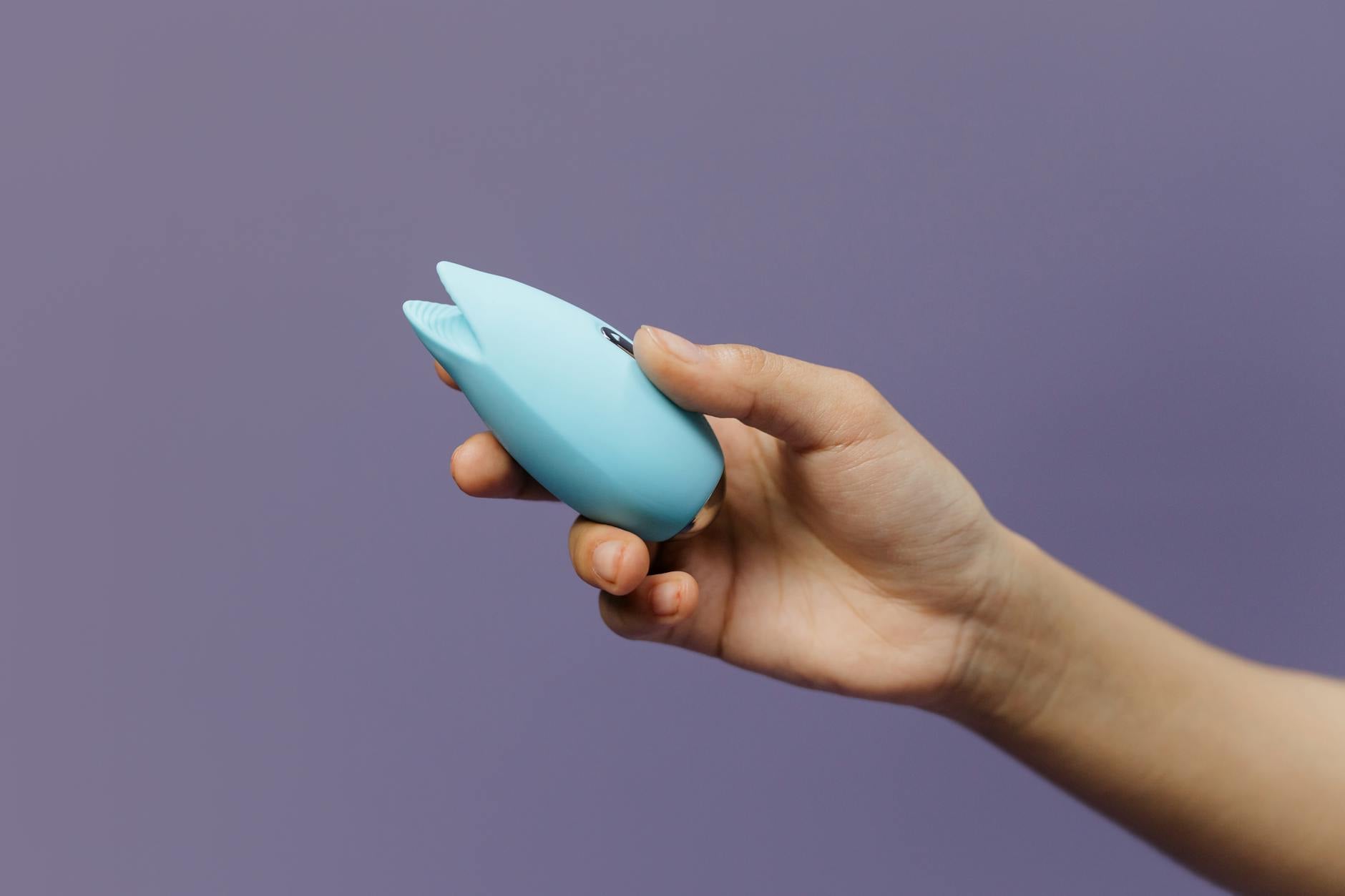
Photo by cottonbro studio on Pexels
Another advantage: lemon vibrators typically have a small opening that creates the seal. This means most models sit away from the most sensitive external tissue and instead work on the visible clitoral bulb. This is genuinely kinder to your body if you have a pronounced clitoris or if direct contact has always felt too intense.
When sensitivity means you need a different tool
There's a difference between "I prefer gentler stimulation" and "this vibrator actually hurts." If you're experiencing:
- Sharp or burning sensations during use
- Increased irritation or swelling afterward
- A feeling of being overstimulated even at the lowest setting
- Numbness followed by hypersensitivity
Then you genuinely have sensitive tissue, and a traditional vibrator might not be your answer. This is also true if you have vulvodynia, lichen sclerosus, or another vulvar health condition. In those cases, working with a pelvic health specialist matters, but a lemon clitoral vibrator is often recommended alongside clinical care because the suction model is inherently less irritating.
How to use lemon vibrators safely with delicate tissue
Even though suction-based stimulation is gentler, there are still rules for sensitive vulvas.
Start with the lowest setting. Lemon vibrators typically have 5-10 intensity levels. Begin at level 1 or 2 and stay there for several sessions. Your body will acclimate, and you might find that's all you actually need. Higher isn't better for sensitive tissue; it just means more risk of irritation.
Use the seal correctly. The cup should sit over your clitoris and create a gentle seal, but not suction so tightly that it feels uncomfortable. You should be able to breathe easily, and the sensation should feel pleasurable, not painful. If the seal feels too strong, you're either using the wrong size cup or you need to adjust how you're holding the toy.
Lube is still your friend. Even with suction-based stimulation, a bit of water-based lubricant helps create a better seal and prevents skin-on-silicone friction at the cup's edge. Apply a small amount to the rim of the cup before use.
Session length matters. For sensitive tissue, 15-20 minutes of stimulation is plenty. Longer sessions don't equal better results and can lead to irritation. Think of it as quality over duration.
Listen to your body's responses. If you feel a burning sensation, sharp pain, or sudden numbness, stop immediately. A little sensitivity when you first start is normal. Actual pain is not, and pushing through it trains your nervous system to tighten up, which makes future sessions harder.
If you've experienced numbness or desensitization after extended use of other toys, a lemon vibrator's gentler approach can actually help you recover sensation over time because it doesn't require the constant intensity escalation that traditional vibrators do.
The tissue remodeling question
One thing people with sensitive vulvas worry about is whether using any vibrator will make tissue even thinner. The good news: regular, healthy stimulation actually supports tissue health by improving blood flow and maintaining elasticity.
The bad news: aggressive stimulation with the wrong tool can cause micro-irritation and, over time, contribute to tissue thinning. This is why method matters as much as frequency. A lemon sucker used gently and infrequently is far less likely to damage tissue than a traditional vibrator used aggressively every day.
If you have concerns about vulvar atrophy or thinning tissue (whether age-related, hormone-related, or otherwise), talk to your gynecologist about topical estrogen options alongside using a gentler tool like a lemon clitoral vibrator. The combination often works better than either alone.
What to expect in your first week
When you first use a lemon vibrator, the sensation is different enough that it might feel strange. You might not feel pleasure immediately. That's completely normal and doesn't mean anything's wrong.
Your nervous system is used to the sensation pattern of whatever you've been using before. A new input takes adjustment. Give yourself three to five sessions before deciding if this works for you. By the second week, most people report that the sensation feels more natural and that they're actually reaching orgasm more easily than they expected.
Also: suction toys tend to work better when your clitoris is already somewhat aroused. Unlike vibrators, which can create sensation from a flaccid state, lemon vibrators work best when there's blood flow to the area. Spend 5-10 minutes on foreplay or manual stimulation first. Then introduce the toy. This difference matters especially for sensitive tissue, where cold introductions can feel jarring.
Why sensitivity doesn't mean you're broken
I work with a lot of people who interpret sensitive vulvas as a problem to solve. They're not. Sensitivity is information. It tells you what your body needs. For some people, that's a gentler tool. For others, it's different timing, or a different partner dynamic, or a conversation with a doctor about medications.
What matters is that you stop treating sensitivity as failure and start treating it as a signal that deserves listening to. A lemon vibrator isn't a compromise. It's the right tool for the job.
People also ask
Can I use a lemon vibrator if I've never had an orgasm before?
Absolutely. In fact, if you've had difficulty reaching orgasm with traditional vibrators or partners, the gentler sensation of a lemon sucker often works better. The air-pulse technology creates a different type of stimulation that activates nerve pathways traditional vibration might miss. Start at a low setting and give yourself time to explore without pressure. If you combine this with the practices in our guide to orgasming alone, you'll likely see a significant shift.
Do lemon vibrators work if you have very little natural lubrication?
Yes, better than traditional vibrators in most cases. The suction seal actually helps compensate for low lubrication by reducing the friction that makes dryness uncomfortable. That said, a small amount of water-based lube at the cup's rim still helps create a better seal and prevents irritation at the edges. If you're dealing with persistent vaginal dryness, that's a conversation to have with your doctor, because it might signal an underlying health change worth addressing.
How often is it safe to use a lemon vibrator if you have sensitive tissue?
There's no universal answer, but most people with sensitive vulvas do well with 2-4 times per week. This is less about the tool being dangerous and more about giving your nervous system time to recover between sessions. Sensitive tissue is often accompanied by a nervous system that's already in high alert. Frequent stimulation can keep you in that activated state. If you notice increasing irritation, sensitivity, or pain over time, dial back frequency before intensity.
What's the difference between a lemon vibrator and other suction toys?
Lemon vibrators and other air-pulse toys work on the same principle, but the design and seal quality vary. Some create stronger suction than others. Some have different cup sizes. The best choice depends on your specific anatomy. If you're buying your first air-pulse toy, start with a mid-range option like the Hello Nancy Lemon rather than the cheapest or most intense version. You can always upgrade once you know what sensation you prefer.
Can I use a lemon vibrator with a partner?
Completely. Some people with sensitive tissue actually prefer partner play with a lemon vibrator because the toy does the work while your partner can focus on other types of touch or intimacy. This removes the pressure and performance anxiety that can make sensitivity worse. If your partner is new to using toys together, start with an honest conversation about what you need and why. Sensitivity isn't rejection; it's honesty.
Is it normal to feel numbness after using a lemon vibrator for the first time?
A little bit of temporary numbness (30 minutes to a few hours after) is normal and typically not a concern. Your nerve endings have been actively stimulated, and they need a recovery period. Persistent numbness, or numbness that gets worse over weeks of use, means you're using it too intensely or too frequently for your tissue's capacity. Scale back and give your body more recovery time. If numbness doesn't resolve, it's worth exploring other factors that might be affecting your sensitivity.
The bottom line
Sensitive vulvas aren't a limitation. They're just different. And different doesn't mean broken. A lemon vibrator works with your sensitivity instead of fighting against it. The suction-based approach means gentler stimulation, less friction, and a sensation that many people with delicate tissue find not just tolerable, but genuinely pleasurable.
If traditional vibrators have always felt too intense, too uncomfortable, or just wrong, this is worth trying. Most people are shocked at how much better it feels to use a tool designed for their actual anatomy instead of pushing through discomfort with something that was never going to work anyway.
Your pleasure matters. And you deserve a tool that supports it instead of complicating it.
If you'd like personalized guidance on what tool might work best for your specific situation, reach out. We're here to help you find what actually works for your body.