Let's be real: this conversation feels bigger than it actually is
You want to introduce a lemon vibrator to your partner. That's it. You're not asking permission, you're not admitting a secret shame, you're not implying anything is broken. You're saying: I want to try something together that might feel good. That's a normal, healthy, adult thing to say.
The anxiety you're feeling is almost never about the vibrator itself. It's about fear of judgment, worry that they'll think you're unsatisfied, or concern that you'll sound awkward. All fair. But here's what I've seen work for hundreds of couples: when you separate the conversation from the assumption, it gets easier immediately.
Why this matters more than you think
Introducing a lemon clitoral vibrator isn't actually about the toy. It's about permission. Permission to explore pleasure together. Permission to ask for what feels good. Permission to evolve as a couple. Those are the real stakes, and they matter way beyond the bedroom.
Research from the Journal of Sex & Marital Therapy shows that couples who can discuss pleasure openly report higher overall relationship satisfaction, better communication, and more physical intimacy. Not because the toy is magic, but because the conversation builds trust. You're showing your partner that your pleasure matters and that you trust them enough to be honest about it.
The anatomy of a working introduction
There are three components to a successful conversation. They don't have to happen in order, but they do all need to land.
1. The timing is everything. Not during sex, not during conflict, not five minutes before you need to leave for work. Pick a calm evening, somewhere you're both comfortable and not distracted. Couch, coffee, wherever. The setting should signal: this is a real conversation, but it's not an emergency.
2. Lead with curiosity, not pitch. You're not selling the vibrator. You're saying: "I've been thinking about trying something new together. Have you ever thought about bringing a vibrator into what we do?" This opens the door instead of pushing someone through it. It also gives your partner room to have their own feelings, which matters.
3. Address the invisible worry. Partners often worry that wanting to use a vibrator means you're unsatisfied with them. Say it directly: "This isn't because anything is missing between us. I actually want to explore more with you." That distinction is huge. You're not saying you need saving. You're saying you want to expand.
Three conversation starters that actually work
Pick the one that feels closest to your dynamic and adapt it:
The curious opener: "I read something about lemon vibrators the other day and got curious about what that would feel like together. Would you be open to trying it sometime?"
The vulnerability angle: "I've never really talked about this, but I've been wanting to explore what feels good to me. I'd love to do that with you. I was thinking a lemon vibrator could be fun to try."
The partnership approach: "I want us to keep discovering new things. I've been thinking about trying a vibrator. I'd love to hear what you think and what you might want to try."
Notice what's the same in all three: you, partnership, curiosity, not criticism.
What you might hear and how to respond
Your partner might not say yes immediately. That's okay. Here are the most common reactions and what they actually mean.
"Will I not be enough for you?" This is fear, not logic. Respond with warmth: "You already are enough. This isn't about you. It's about us exploring something together. I want to share this with you." Then listen. Let them talk about what's underneath the worry. Often it's just about being reassured that you still want them.
"I'm worried it will feel weird." It probably will, a little, the first time. Say so: "Yeah, it might be a bit at first. But new things usually are. We can go slow and see how it feels. If it's not for us, we don't do it again." Permission to bail out makes people more willing to try.
"I need time to think about it." Perfect. Don't push. Say: "That's fine. I'm not in a rush. Let me know what comes up for you." Respect for their process builds trust. Sometimes people need to sit with an idea before they can access their actual feelings about it.
"Yes, let's try it." Excellent. Now you move to logistics: when, what kind, how you'll make it comfortable.
What rarely happens: your partner immediately feels threatened or angry. If that does occur, that's usually about something deeper than the vibrator. You might benefit from a relationship conversation with a therapist, because trust or communication concerns are showing up in multiple places.
The setup that makes it actually work
You've talked. They've said yes (or they're willing to try). Now execution matters.
First, consider researching together. Ask: "Would you want to look at options together, or should I pick something?" Some partners love having input on what they're bringing into the relationship. Others find that more awkward. Know your person.
Second, normalize the learning curve. Show your partner how the lemon vibrator works before you use it together. Let them hold it, feel the suction intensity, see that it's not intimidating. Demystification kills awkwardness faster than anything else.
Third, don't make it the whole show. Introduce it into foreplay, not as the main event. This takes pressure off both of you. You're not betting the whole encounter on whether the toy works. It's an addition, not a replacement. This is the mental frame that makes it feel fun instead of high-stakes.

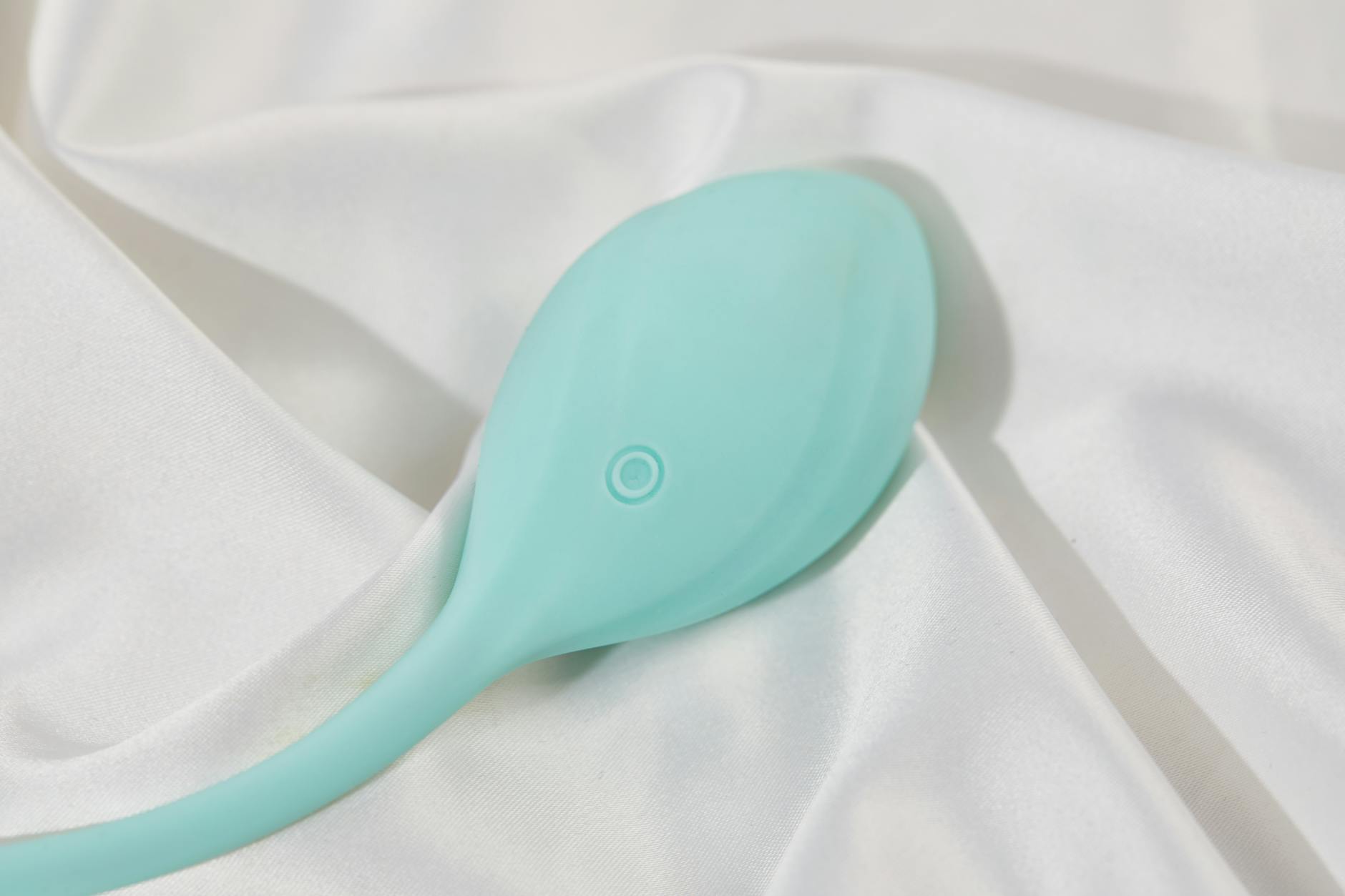
Photo by cottonbro studio on Pexels
Why lemon vibrators specifically
Lemon clitoral vibrators like the Lem use air-suction technology, which feels different from traditional vibration. For many people, this actually makes them less intimidating to introduce to a partner. The sensation is gentler, more focused, and less aggressive than a bullet or wand. If your partner is nervous about vibrators, air-suction technology often feels like a better entry point.
The shape also matters. Many partners appreciate that a lemon vibrator is discreet, doesn't look clinical, and feels less like bringing a medical device into the bedroom. That psychology is real.
The conversation after the first time
If you've tried it together, talk about it afterward. Not immediately, not in an interrogation way. Just: "What did that feel like for you?" Listen without judgment. They might have loved it, felt neutral, or felt uncomfortable. All are valid. You're building a culture where pleasure and feelings are discussable, not shameful.
If it didn't work the first time, that's completely normal. New things take adjustment. Let that be okay. Try again in a few weeks, or try a different scenario. Pressure to make something "work" kills arousal faster than anything else.
Why this conversation is actually about connection
At the core, introducing a lemon vibrator to your partner is a conversation about trust, desire, and the willingness to be vulnerable together. That's intimacy. That's what relationships are actually built on. The vibrator is just the vehicle.
When your partner sees that you can ask for what you want without shame, they learn they can too. When they realize your pleasure isn't a threat to them, they often want to participate in it. When you both acknowledge that desire and exploration are ongoing, normal parts of a healthy relationship, everything opens up.
This conversation might feel small. It's actually one of the bigger ones you'll have.
People also ask
How do I bring up vibrators if my partner and I have never talked about this stuff?
Start smaller. Ask them what they think about pleasure, what they'd like to try, whether they've ever wondered about things. Listen without judgment. Once they see you're curious and open, they often become curious too. The vibrator conversation becomes part of a bigger pattern of openness, not a shock from nowhere.
What if my partner says no?
Respect it. Ask if they're saying no for now or no ever, and whether they'd be open to talking more about it later. If it's a hard no, that's information about your partner's boundaries. That's important to honor. You might explore why independently, or in couples therapy, but pushing someone into something they don't want is a relationship erosion, not a connection builder.
Should I buy the vibrator before I talk to them, or ask first?
Ask first. Buying it preemptively can feel pushy, even if that's not your intention. It also takes away their choice about what kind, what brand, what feels right. Once they've agreed, shopping together (even online) is actually a fun bonding activity. You're collaborating on something that will affect both of you.
What if they want to use it and I'm not sure I do?
Say so. Introduce it their way. You don't have to want the same things to support each other's pleasure. Maybe you enjoy watching them enjoy it. Maybe you'd rather use it together. Maybe you're happy they're exploring and you're not interested in that particular exploration. All valid. The conversation gives you space to figure out what works for both of you.
How do I know if they actually want to or if they're just doing it for me?
You ask. "I want to make sure you actually want this and aren't just doing it because I suggested it." Their answer tells you a lot. If they say they're not sure, you can say: "Let's table it. Come back to me if you get curious." If they say yes with genuine interest, you're good to go. Your job is to create space for honesty, not to read minds.
Is it weird to use a vibrator with a partner if I've never used one alone?
Not at all. Some people prefer discovering things together. If that's you, just go in knowing it's a learning experience for both of you. Ask your partner to be patient with the awkwardness, the same way you would if roles were reversed. The exploration is the point, not expertise.
The bigger picture
Introducing a lemon vibrator or any other tool isn't actually about the tool. It's about building a relationship where pleasure is discussable, where curiosity is welcome, and where you both trust each other enough to be honest about what you want.
Those foundations matter for far more than just the bedroom. They matter for financial decisions, for parenting, for how you handle conflict, for how you grow together over decades.
So yes, have the conversation. Yes, it might feel awkward. But on the other side of that awkwardness is a relationship where both of you know you can ask for what you need. That's the good stuff.
If you want more practical strategies for couples navigating pleasure and communication, the guide on how lemon vibrators feel different with a partner walks through the physical and emotional shifts that happen when you're exploring together. It might help frame the conversation in ways that feel natural to your dynamic.