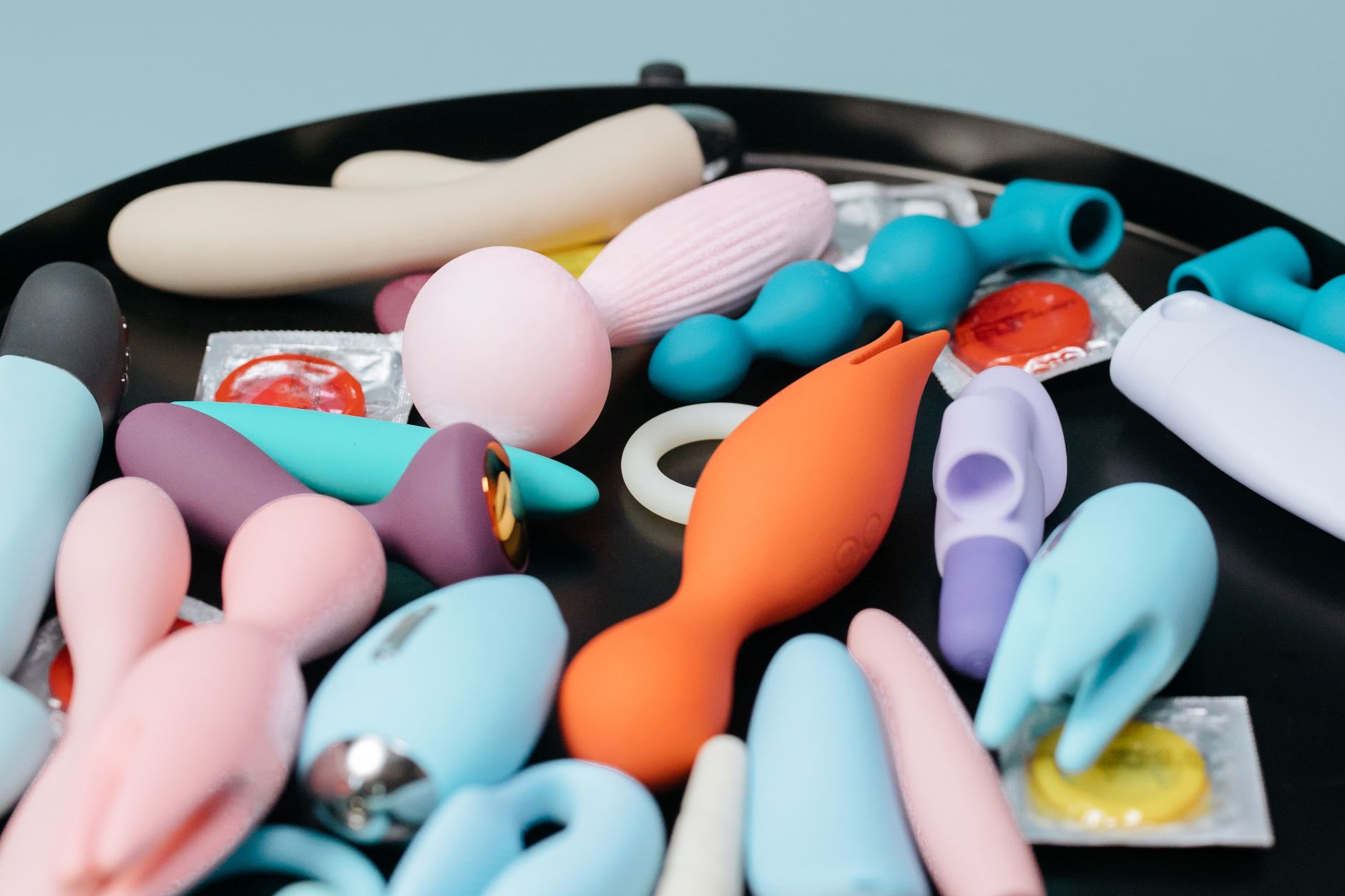
Let's talk about what happens after the honeymoon phase
You bought a lemon vibrator, maybe the Lem, and those first few weeks were honestly incredible. Then somewhere around week four or five, you notice something: it feels less intense. Not broken. Just... muted. Like the sensation is traveling through cotton. You start turning up the intensity, or using it longer, and it still doesn't feel the way it did.
This is the single most common question I hear from people using clitoral vibrators. And the answer isn't that your toy is faulty or that your body is broken. It's physiology, and it's completely reversible.
What's actually happening in your nervous system
Your clitoris contains thousands of nerve endings packed into a tiny area. When a lemon sucker or other clitoral vibrator first makes contact, it's a novel stimulus. Your nerves fire. Your brain lights up. Pleasure feels sharp and immediate.
But your nervous system is also smart. It's designed to notice changes and adapt to constant input. This process is called habituation, and it happens to every sensory input your body receives. You stop noticing the feel of your clothes on your skin within minutes of getting dressed. You stop hearing the hum of your fridge. Your clitoris works the same way.
The vibration pattern becomes familiar. The nerves still respond, but with less urgency. Your brain stops treating it as novel stimulus and starts filing it under routine input. This isn't desensitization in the sense of permanent damage. It's adaptation. And it's fixable.
The role of dopamine and repetition
The first time you use a lemon vibrator, dopamine floods your system. That's the neurotransmitter that makes novelty feel electric. Repeat the exact same stimulation pattern every time, and dopamine plateaus. Your brain knows what's coming. The reward circuit quiets down.
This is why people often report that their most intense experiences came early, or that switching toys suddenly makes the old one feel incredible again when they come back to it. You're essentially resetting that novelty response.
It's also why changing up your approach works so reliably. If your nervous system can't predict what's about to happen, it stays engaged.
Pattern variation is your actual fix
Here's what I recommend to almost everyone who hits this wall with their lemon clitoral vibrator.
Switch intensities mid-session. If you always start at level three and stay there, try starting at level one, moving to level five, dropping back to two. Your nervous system has to stay alert.
Change the angle. If you've been holding it directly on your clitoris, try applying it to the side, or the upper surface, or the area just above the clitoral hood. Different nerve pathways activate. The sensation feels fresh.
Vary the timing. Instead of long continuous sessions, try short bursts, then pause for 30 seconds, then go again. Stop before you feel yourself plateauing. This trains your body to stay responsive.
Take breaks. A week off from your lemon vibrator or any clitoral vibrator will reset your sensitivity faster than you'd expect. When you come back, it feels brand new.
Introduce external stimulation. If you've been using it alone, try using it with a partner present. The psychological shift alone often restores the intensity. There's research backing this, too. Different partners, different contexts, different times of day all activate different neural pathways.
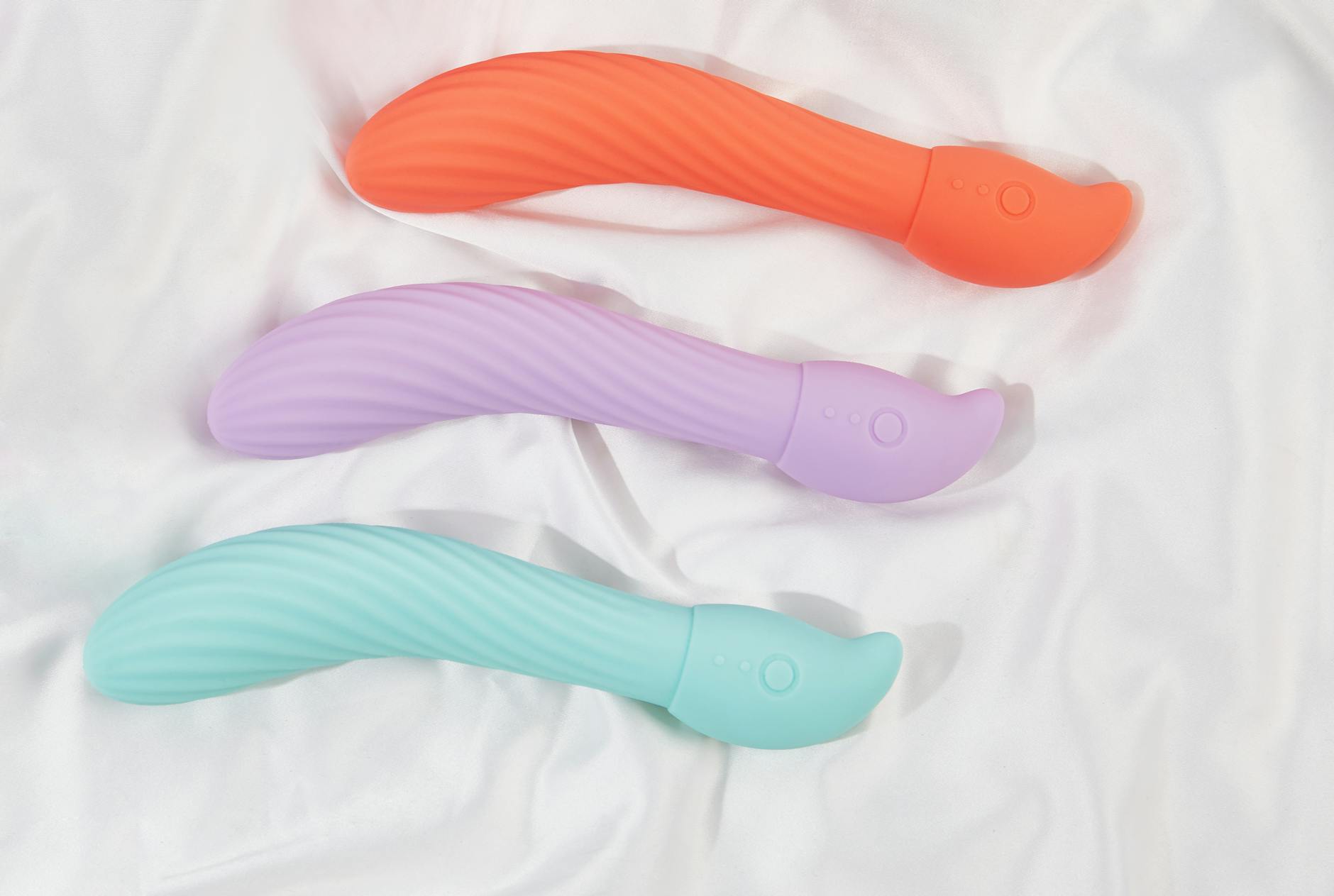
Photo by IFONNX Toys on Pexels
Why intensity creep doesn't actually work
Most people's first instinct is to turn up the settings. Use level five instead of level three. Spend 30 minutes instead of 15. Buy a "stronger" toy.
This almost never works, and here's why. You're still delivering the same type of stimulus to the same nerve endings. You're just making it louder. Your nervous system adapts to louder stimulus just as readily as it adapts to the original pattern.
Instead of dialing up, dial sideways. Change the variable that matters: novelty. Your clitoris doesn't need more intensity. It needs surprise.
Hormonal cycles complicate the picture
Here's another layer. Your sensitivity to vibration changes across your menstrual cycle. In the follicular phase (after your period), estrogen rises and your clitoris becomes more engorged and responsive. In the luteal phase (before your period), sensitivity often dips.
If you've been using your lemon vibrator in early follicular phase and now you're in luteal, that numbness might feel dramatic in comparison. It's not that your toy stopped working. Your baseline sensitivity shifted.
Tracking when you feel most responsive and timing your sessions accordingly can make a real difference. Many people find that what felt numb in one week feels perfect two weeks later, without changing anything.
When to suspect something else is going on
Habituation is normal. But if your sensitivity has dropped dramatically and pattern variation isn't helping, check these other factors.
Medications. Antidepressants, birth control, antihistamines, and blood pressure medication can all affect clitoral sensitivity. If you've started or changed a medication in the last few months, that timing might matter.
Stress and mental load. You can't have an intense orgasm if your brain is running three different to-do lists. Stress and distraction are the enemy of pleasure, sometimes more than physical factors.
Numbness from technique. If you've been pressing too hard or using the same toy the same way for hours at a time, you might have temporarily numbed the tissue. This reverses within a few days of giving that area a break.
Pelvic floor tension. A tight pelvic floor actually dulls sensation. Paradoxically, you feel less, not more. Pelvic floor relaxation exercises (the opposite of Kegels) can restore responsiveness.
If you've ruled out the simple fixes and numbness persists beyond a week or two, it's worth checking in with a gynecologist. But in most cases, the culprit is just a nervous system that got bored.
Getting excited about your lemon vibrator again
The good news is that you don't need to buy a new toy. How to recover clitoral sensitivity after using lemon vibrators regularly covers deeper resets, but often a simple pattern shift brings back that initial rush within a week.
Your nervous system wants novelty. It wants to be surprised. The lemon sucker or lem vibrator you own is capable of delivering that surprise in a thousand different ways. Most people just haven't tried changing their approach.
The next time you use your clitoral vibrator, commit to one small variable change. Different angle. Different pattern. Different intensity sequence. Different context. You'll probably feel the difference immediately.
And if you don't, give it a few days and try something else. Your sensitivity will come back. This is biology, not a character flaw.
People also ask
Why do clitoral vibrators feel less intense over time?
Your nervous system adapts to repeated stimulation through a process called habituation. The same vibration pattern becomes predictable, so your nerves stop treating it as novel input. This isn't damage or permanent desensitization, it's your brain's way of filtering familiar sensations. Changing the pattern, intensity sequence, or context resets the response almost immediately.
Can you become immune to lemon vibrators?
No, but you can become habituated to a specific pattern. This is completely different from immunity or damage. You can restore full sensitivity by varying your approach, taking breaks, or introducing new stimulation patterns. Many people report that switching back to a lemon clitoral vibrator after using something different feels intensely pleasurable again.
How long does it take to regain clitoral sensitivity to a lemon vibrator?
A few days to a week, depending on how long you've been using the same pattern. Taking a complete break for three to seven days is the fastest reset. But even without a full break, varying intensity, angle, and timing can restore sensation within one to three sessions. It's not a slow process.
Should I buy a stronger lemon vibrator if mine feels numb?
Most likely not. More intense doesn't fix habituation, it just compounds it. Your nervous system will adapt to a stronger toy using the same pattern in the same timeframe. A better approach is changing variables, taking strategic breaks, or trying different stimulation angles and timing with your current toy before investing in a new one.
Does sensitivity return after you stop using your lemon clitoral vibrator for a while?
Yes, absolutely. A week off usually brings most of the sensitivity back. Some people find that a two-week break returns them to almost first-time intensity. This is why many people strategically cycle their toys or take regular breaks rather than using the same device every single time.
Can you use lemon vibrators differently to avoid numbness?
Completely. Rotating intensities, changing angles, varying duration, pausing between bursts, and alternating between solo use and partnered use all prevent habituation from setting in. The key is novelty. If you're intentional about varying your approach from the start, most people don't experience significant numbness at all.
The bottom line
Your lemon vibrator didn't break. You didn't break. Your nervous system just got efficient at processing a familiar stimulus, which is exactly what nervous systems are supposed to do. The fix is simple: surprise it. Change something. Your body remembers how to feel intense pleasure. You just need to remind it that there's something new worth paying attention to.