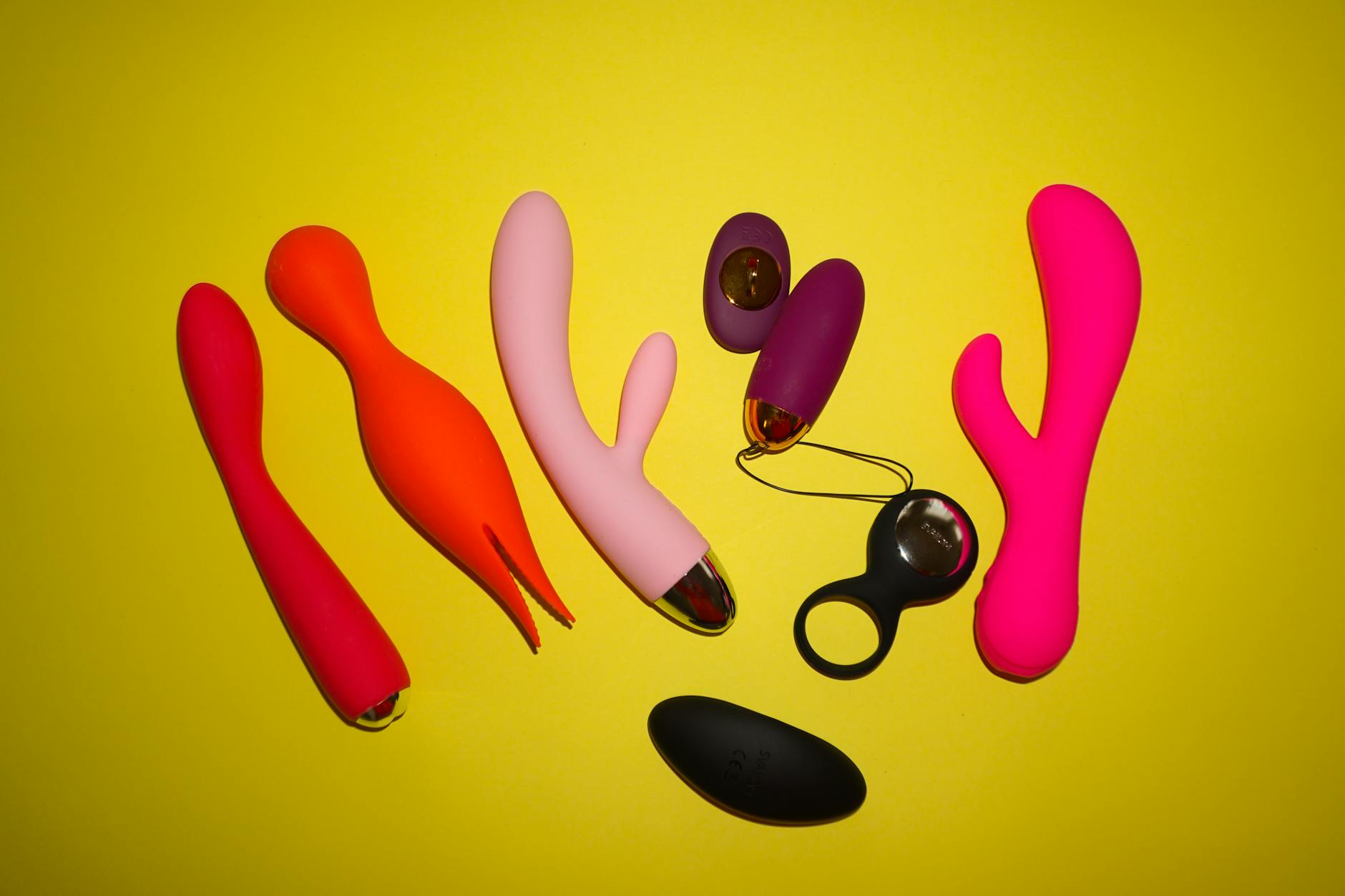
How to Use Lemon Vibrators When You Have Vaginal Atrophy
Let's be real. Vaginal atrophy sounds like a diagnosis code, but what it means is simpler and more fixable than the name suggests. The tissue thins, lubrication drops, and sensation changes. And yes, it's uncomfortable sometimes. But uncomfortable does not mean over.
I've worked with hundreds of people navigating this exact thing. The same lemon vibrators and clitoral suckers that work beautifully for other bodies can work beautifully for yours too. You just need three specific adjustments. I'll walk you through them.
What's actually happening with vaginal atrophy
Vaginal atrophy, also called genitourinary syndrome of menopause or GSM, happens when estrogen drops. That drop thins the vaginal wall, reduces natural lubrication, and changes the tissue's elasticity. The vulva itself might look slightly different too. That's the literal part.
Here's what it doesn't mean. It doesn't mean your clitoris stops working. It doesn't mean sensation disappears entirely. It doesn't mean orgasms become impossible. I know the medical language makes it sound catastrophic. It's really just a tissue change that needs a different approach, not an ending.
Vaginal atrophy is super common. If you're over 55 or several years into menopause, you're not alone. Studies suggest about half of post-menopausal people experience it. The reason you hear so little about it is that people don't talk about it. That isolation is often worse than the condition itself.
Why lemon clitoral vibrators work well here
The clitoris is miraculous partly because it's not in the vaginal canal. It's external. It's got its own nerve supply. And it's one of the few places where atrophy doesn't really happen. That means direct clitoral stimulation works just as well as ever. You just need different technique.
Traditional vibrators that rely on intense internal vibration or deep penetration can feel overwhelming on thinned tissue. They sometimes cause irritation. A lemon sucker or clitoral vibrator like Hello Nancy's Lem works differently. It uses gentle suction and targeted stimulation on the external clitoris where tissue thickness isn't the problem.
Suction-based clitoral vibrators are particularly smart here because they create a seal around tissue rather than hammering it with vibration. The sensation is concentrated and building rather than sharp. Many people with atrophy find that after the first time using a lemon clitoral vibrator the right way, they wonder why they didn't try this sooner.
The three adjustments that change everything
One. Lubrication is not optional anymore.
I know lubricant feels like admitting defeat. It's not. It's being strategic. When tissue is thinner, friction matters more. Water-based lube is your friend here. Apply it generously to the external area before you start. You're not trying to be subtle. Thick, slippery coverage. If you're planning more than ten minutes of play, reapply halfway through.
Silicone-based lubes feel richer and last longer, but they damage silicone toys. Hello Nancy's Lem is silicone, so stick to water-based. The upside is that water-based lubes are cheaper and easier to clean up. They're also less likely to cause irritation if you're dealing with any micro-inflammation from atrophy.
Two. Start lower and build slower.
Most lemon vibrators have intensity settings. When you're using one with vaginal atrophy, begin at setting one or two. Not because you're fragile, but because overstimulation on thinner tissue can create minor irritation that turns into discomfort later. Spend five minutes at low intensity. Your nerve endings will wake up and become more responsive. Then move to setting three or four if you want.
This is genuinely counterintuitive if you're used to jumping straight to high intensity. But I've seen it transform the experience repeatedly. Lower intensity + longer warm-up = deeper pleasure and zero irritation afterward. Higher intensity + short ramp time = surface sensation that burns out fast.
Three. Angle toward external stimulation.
A lemon clitoral vibrator designed to focus on the clitoris itself requires almost no internal contact. That's the whole point. Keep the suction cup or vibration head against the external clitoris, directly or angled slightly upward toward the clitoral hood. You're not inserting anything. You're creating sustained suction or vibration on the exact spot where sensation is still completely intact.
This sounds obvious once I say it, but so many people are used to inserting vibrators that they try to do the same with a sucker. Don't. The magic happens externally.
What to expect your first time
Possible outcome one: immediate pleasure. You'll feel exactly why people love clitoral suckers. The sensation is different from anything else. Warm, building, concentrated. You might orgasm. You might not. Both are fine.
Possible outcome two: nothing happens for ten minutes, then suddenly warmth and sensitivity flood in. This is normal. Atrophied tissue sometimes takes longer to engorge and respond. That's not failure. That's your body waking up.
Possible outcome three: it feels slightly irritating. This usually means you need more lube or lower intensity. Stop, add lube, and try again in a few days. Your body will adapt.
Possible outcome four: it feels great, but afterward you're a tiny bit sore. Again, this usually means the intensity was too high for your tissue's current state. Lower it next time. The soreness should be gone within hours.
Building tolerance and pleasure over time
Vaginal atrophy is not permanent, even though it feels like it. Your body will adapt. If you use a lemon clitoral vibrator consistently, twice a week for a month, most people report that sensation deepens and intensity tolerance improves. You're not healing something broken. You're reawakening tissue through regular, gentle stimulation.
Some people also find that topical estrogen cream prescribed by their doctor makes a dramatic difference within two to three weeks. That's a parallel conversation to have with a gynecologist. It's not either-or. Estrogen therapy plus clitoral vibrator plus patience is often the winning combination.
If you're partnered, involve them in this process if you want. Walking through adjustments together turns it into a shared project rather than a solo problem. Your pleasure matters. Your partner's willingness to adapt matters. Both can be true.
When to see a doctor
If you're experiencing pain during any sexual activity, not just with vibrators, tell someone. Genitourinary syndrome of menopause is highly treatable. Topical estrogen applied directly to vaginal tissue often reverses symptoms within weeks. Systemic hormone therapy is another path. Vaginal moisturizers used daily help some people significantly.
You don't need to suffer through this. The medical tools exist. Good gynecologists trained in menopause medicine can work with you to find what fits your body and your preferences.
Atrophy can also increase risk of minor tears or irritation. That's not a reason to avoid pleasure. It's a reason to be more careful about lubrication and intensity. Your lemon vibrator isn't dangerous. But like anything worth feeling, it deserves respect and preparation.
The bigger picture
Vaginal atrophy is a real physical change. It's also often wrapped up with grief about aging, anxiety about attractiveness, and worries about whether pleasure is still available to you. Those psychological pieces matter just as much as the tissue piece.
Your clitoris doesn't age. Your capacity for sensation doesn't age. What changes is access and technique. That's not loss. That's just information that lets you rebuild pleasure in a way that works for this version of yourself.
A lemon clitoral vibrator is a small tool. But used thoughtfully, it can be the thing that reminds you that your body is still capable of feeling good. That's worth the conversation with your doctor. That's worth the lube. That's worth trying again if the first time wasn't magic.
Common questions about atrophy and lemon clitoral vibrators
Will using a lemon vibrator make atrophy worse?
No. Regular gentle stimulation actually helps. It increases blood flow to the area, which can improve lubrication and tissue tone over time. The key is starting at low intensity and using plenty of lubricant. You're not irritating tissue through use. You're supporting it.
Can I use a lemon sucker if I also use vaginal estrogen cream?
Yes. Wait a couple of hours after applying estrogen cream so it's absorbed. The cream won't damage the silicone of your lemon vibrator, and the vibrator won't interfere with the cream's effectiveness. If anything, improved blood flow from stimulation might help the cream distribute better.
What if my atrophy is severe and even the lowest setting hurts?
Stop and talk to your doctor. You might need to start with topical estrogen or a vaginal moisturizer for a few weeks before introducing a vibrator. Severe atrophy sometimes comes with inflammation or micro-tears. Healing that first makes the vibrator experience much better. There's no prize for pushing through pain.
How is a lemon clitoral vibrator different from a regular bullet vibrator for atrophy?
Design. A lemon vibrator focuses suction or vibration on the external clitoris without requiring internal contact. A bullet vibrator typically gets inserted and vibrates internally. For atrophy, external focus is gentler on thinned vaginal tissue. The clitoral stimulation is also often more precise. That said, some people use both. It depends on what your body needs.
Will lemon vibrators help if I'm on SSRIs that are affecting sensation?
Lemon vibrators can help, but medication side effects are a separate issue worth discussing with your doctor. Some SSRIs do reduce sexual sensation. That sometimes improves if you adjust timing or dosage or switch medications. A vibrator is an augment, not a solution for medication effects. But as a tool for rebuilding sensation after medication changes, it often helps bridge the gap.
Is atrophy permanent, or will it get better?
It depends on root cause and treatment. Menopause-related atrophy can improve somewhat with estrogen therapy or even just improved blood flow from regular activity. Atrophy from medications or surgical removal of ovaries is often more stable but still very manageable with the right approach. Talk to your doctor about your specific situation. The point is, it's never totally untreatable.
References and sources
Genitourinary Syndrome of Menopause: clinical definitions and diagnostic criteria from the International Society for the Study of Women's Sexual Health (ISSWSH). Menopause, 2020.
Development and validation of the Vulvovaginal Symptoms Questionnaire (VSQ) for menopausal women. The Journal of Sexual Medicine, 2018.
Topical estrogen therapy for vaginal atrophy: systematic review and meta-analysis. Obstetrics & Gynecology, 2017.
Blood flow dynamics and tissue remodeling in the aging vulva. Journal of Women's Health, 2021.