Let's talk about what medication actually does to pleasure
You switched antidepressants. Or you started an antihistamine for allergies. Or your birth control dose changed. And suddenly, arousal feels muted. Your body doesn't respond the same way. Orgasms are harder to reach, or they feel less intense when they arrive. This is real, it's common, and it's not in your head.
Here's the thing nobody explains clearly: medication changes don't kill your capacity for pleasure. They change how your nervous system sends and receives signals. The wiring is still there. The receptors still work. But the volume is turned down, and that changes everything about how you experience touch.
Lemon vibrators help because they work with how your body is responding right now, not against it.
How medication messes with sensation
Antidepressants, especially SSRIs, can blunt sexual response by affecting serotonin and dopamine levels. Antihistamines dry out mucous membranes, which affects lubrication and sensitivity. Hormonal shifts from birth control changes alter blood flow to the clitoris. The result is the same across the board: reduced arousal speed, delayed orgasm, or orgasms that feel less intense.
What's important to understand is that this isn't permanent damage. It's a recalibration. Your body is adjusting to a new chemical baseline, and sensation will often rebound or stabilize once your system settles in. But waiting passively for that to happen can leave you feeling disconnected from your own pleasure for months.
This is where direct stimulation tools become valuable. When arousal is chemically dampened, generic touching might not be enough to cross the threshold into real sensation. You need something with enough intensity to cut through that fog.
Why lemon vibrators work differently than other tools
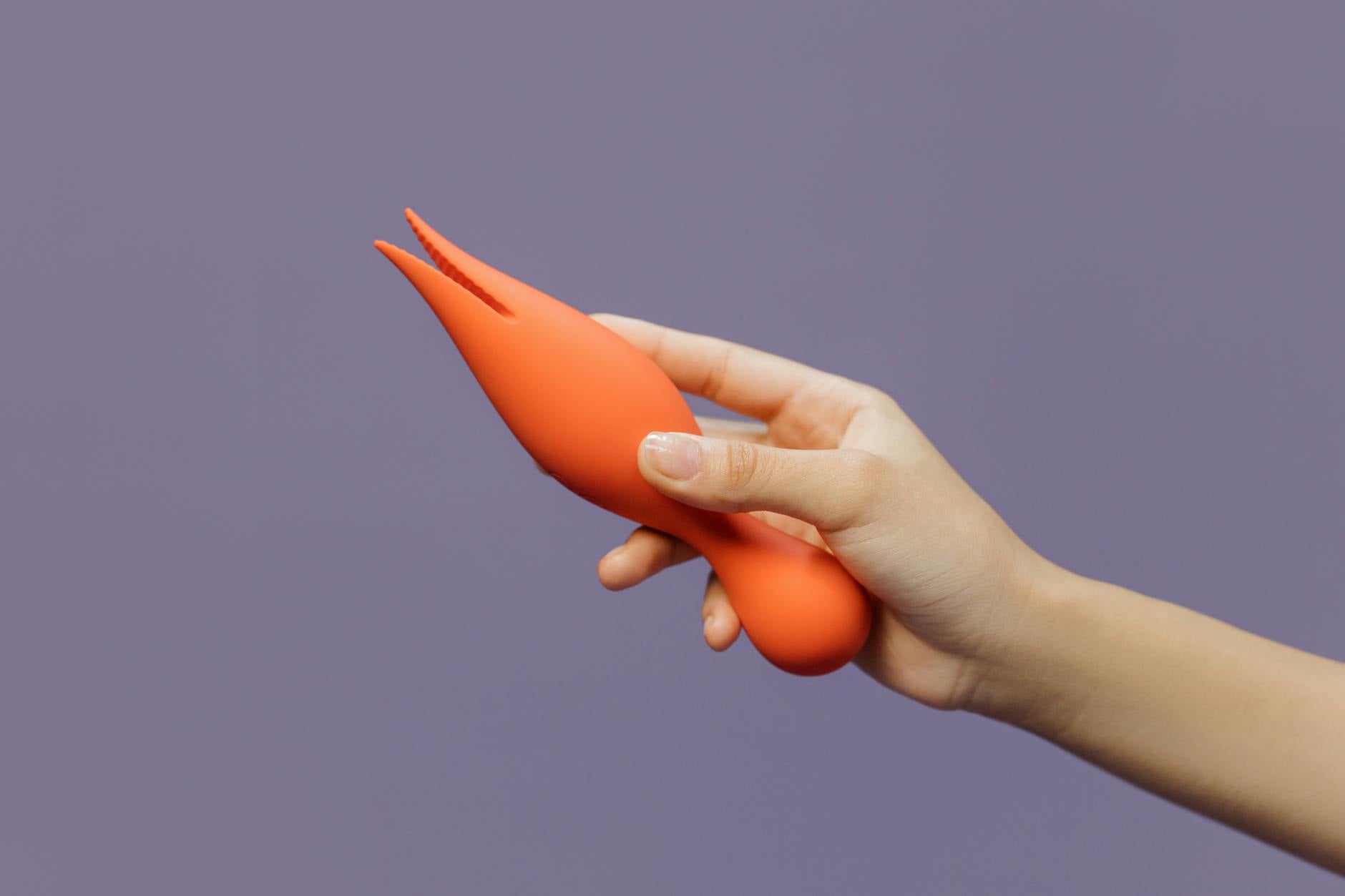
Lemon clitoral vibrators use suction and pulsing patterns instead of pure vibration. This matters because suction stimulates the broader clitoral network without relying on the kind of consistent friction that can feel overwhelming on desensitized tissue.
When you're coming off medication that's affected sensation, you often experience a weird window: standard vibration feels either too gentle or suddenly too intense. There's no middle ground. Suction-based lemon sexual toys bridge that gap. The pulsing pressure stimulates nerves in a way that doesn't require pre-existing arousal to register.
In my practice, I see people describe it like this: "It's like the vibrator is doing the work of getting me interested, instead of me having to find interest first." That's the advantage right there.
Starting over with sensation after medication shifts
Here's what I recommend to clients rebuilding pleasure after medication changes:
Start with lower intensity patterns. If you used a lemon vibrator before medication changes, you might have preferred patterns 5 or 6. Start at pattern 1 or 2 now. Your sensitivity will often return, but pushing hard too early just frustrates you. Build back up.
Budget more time for arousal. Medication can slow down the arousal process by 50 percent or more. Instead of expecting 5 minutes of buildup, give yourself 15 to 20. This isn't failure. It's adjustment.
Add lubrication even if you don't think you need it. Antihistamines especially affect natural lubrication. A water-based lube helps sensation register better and makes the suction action more effective. Use it even if your body produces its own moisture.
Use lemon vibrators solo first. If you have a partner, you might feel pressure to perform or to bounce back to how things were before medication. Solo exploration gives you the space to figure out what works now without audience or expectation.
Once you've mapped out what intensity and rhythm actually feels good in your current body, you can bring that knowledge back to partnered pleasure with confidence.
The difference between medication adjustment and something deeper
Not all flatness is medication. Sometimes medication is the convenient explanation when something else is happening: relationship disconnection, stress, grief, or burnout that has nothing to do with your pills.
Before you assume it's the drug, ask yourself a few things. Is arousal flat with your partner but responsive when you're alone? Is it flat everywhere, or just in certain situations? Did it happen immediately after starting the medication, or did it creep up over weeks?
These details matter. If pleasure flatness is strictly chemical, adjusting your tool set usually helps within a few weeks. If it's relational or psychological, no vibrator fixes it, but a tool like a lemon clitoral vibrator can still help you reconnect to your body while you address the deeper issue.
Often, it's both. Medication affected your arousal, and while that was happening, you and your partner drifted. The medication stabilized, but the disconnect didn't. This is when you need to solve the medication piece first so you have energy and clarity to work on the relationship piece.
When to talk to your doctor about medication changes
If pleasure hasn't improved after six weeks of the new medication, or if flatness is affecting your relationship significantly, bring it up. Your prescriber has options. Different antidepressants hit dopamine and serotonin differently. Some have less sexual impact. Dosage adjustments, timing changes, or switching to a different class of drug can all help.
Don't suffer through it quietly hoping it fixes itself. Medication affecting your sex life is a legitimate reason to revisit your prescription.
Some people find that adding bupropion, which works on dopamine, counteracts the sexual side effects of SSRIs. Others do better switching to medications with a lower sexual impact profile. Your doctor can't help if they don't know it's a problem.
Rebuilding partnership during medication transitions
If you have a partner, be honest about what's happening. "My medication is affecting how my body responds right now" is a very different conversation than "I'm not attracted to you anymore." Confusion between the two tanked countless relationships unnecessarily.
You can still have good sex while you're adjusting to new medication. You just need to adjust expectations. Maybe that means longer foreplay. Maybe it means using a lemon vibrator as part of partnered sex instead of going solo. Maybe it means checking in mid-session about intensity instead of assuming you both want the same thing.
Partners who understand the medication piece often feel relieved. It's not about them. It's not a relationship problem. It's your body recalibrating, and there's a timeline to it.
Getting pleasure back takes intention and time
Medication changes affect arousal. This is real. But flat doesn't mean broken, and it doesn't mean permanent. Lemon vibrators can help you stay connected to sensation during a period when your body feels distant from pleasure.
Give yourself permission to use tools during this transition. There's no prize for struggling through medication adjustment without support. You deserve to feel good in your body, even while everything else is recalibrating.
Frequently asked questions
Can lemon vibrators help if antidepressants completely killed my sex drive?
A lemon clitoral vibrator can help you rebuild physical sensation and arousal response, but if your sex drive is completely absent, that's a different issue that often needs a medication adjustment. Arousal requires some baseline dopamine and motivation. A tool helps when sensation is dampened but desire is still present. If desire vanished entirely, talk to your prescriber first.
How long does it usually take to feel normal again after medication changes?
Sexual side effects from antidepressants often improve in the first four to six weeks as your body adjusts. Sometimes it takes longer. For birth control changes, adjustment can take two to three months. Antihistamine effects tend to be immediate but resolve once you stop the medication. If nothing has shifted after eight weeks, your medication might need adjusting rather than waiting longer.
Can I use a lemon vibrator while I'm adjusting to new medication?
Yes. In fact, using gentle stimulation while you're adjusting can help you stay connected to your body and understand what sensation is still available. Start with lower intensity patterns and work up as your body adjusts. This keeps pleasure in the picture while medication settles.
Will lemon vibrators work if my medication is the problem?
Lemon sexual toys can help you experience pleasure despite medication dampening. They won't fix a medication that's fundamentally incompatible with your body. If a tool helps temporarily but pleasure stays flat, the medication itself might need to change. Work with your doctor and a therapist if you can.
Should I tell my partner I'm using a lemon vibrator during medication adjustment?
That depends on your relationship structure and communication style. If you partner during sex, yes, absolutely tell them. If you're exploring solo to understand what your body needs before bringing anything back to partnered sex, that's a personal choice. Either way, honesty serves you better than secrecy.
What if lemon vibrators don't help at all?
If no tool helps and pleasure stays flat, the issue is likely the medication itself. Some antidepressants have lower sexual side effect profiles. Some people need a dose adjustment or a different class of drug. This is worth a conversation with your prescriber and ideally with a sex-informed therapist who can rule out other factors.
The path forward
Medication changes affect pleasure. That's medical fact, not personal failure. Lemon vibrators give you a way to stay curious about sensation while your body recalibrates. They don't replace the conversation with your doctor or the patience your body needs. But they help you feel like yourself again while everything else is shifting.
Your pleasure matters. It's worth protecting and rebuilding, even when medication makes it harder. If you want more support navigating this transition, get in touch.