Here's the thing about life transitions
Your body doesn't move on its own timeline. When you end a relationship, start a new job, move to a different city, or navigate any major life shift, your nervous system is still catching up. Pleasure becomes a forgotten luxury, something you'll "get back to" once the dust settles. Except the dust takes longer than you think, and somewhere along the way, you lose the thread of what you actually want.
That's where lemon vibrators and other clitoral stimulation tools come in. Not as a band-aid fix, but as a way to rebuild trust with your own body during a time when everything else feels uncertain.
I work with people navigating major transitions all the time, and what I've learned is this: reclaiming pleasure is an act of self-continuity. It says, "I am still here. My needs still matter." That's not frivolous. That's survival.
The neuroscience of pleasure during upheaval
When you're in a major life transition, your parasympathetic nervous system (the part responsible for relaxation and arousal) is basically offline. You're in sympathetic overdrive. Fight, flight, freeze. Your body's stress response is designed to help you survive crisis, not feel good.
Pleasure requires you to feel safe. It requires your nervous system to downshift from "alert" to "available." This is why people often report that sex or masturbation feels impossible during breakups, relocations, or career upheaval. Your body isn't being prudish. It's being protective.
The good news: slow, intentional self-pleasure with a tool like a lemon clitoral vibrator can actually help retrain your nervous system. Gentle stimulation signals safety. Repeated exposure to that signal teaches your body that it's okay to relax again. Over time, your capacity for arousal returns.
Why lemon vibrators work especially well during transitions
Let's be practical. During upheaval, you often don't have the mental bandwidth for complicated foreplay or partner dynamics. You need something simple, reliable, and fast.
Lemon clitoral vibrators excel here for three reasons.
They're predictable. A lem vibrator delivers consistent suction stimulation. No guessing, no pressure to perform, no adjustment for a partner's rhythm. You control the intensity, the duration, everything. That agency matters when your life feels like it's spiraling.
They're efficient. When you're managing a move or healing from a breakup, you're exhausted. You don't want a 45-minute wind-up. Lemon adult toys get to work quickly because they stimulate the clitoris directly without the warm-up time intercourse requires.
They're private. If you're going through a divorce or living in temporary housing or crashing on a friend's couch, you need a tool that doesn't require a partner or noise or awkward logistics. A lemon sexual toy is just yours. It asks nothing of anyone else.
Rebuilding sensations after emotional numbness
Emotional numbing during transitions is real. Depression, anxiety, and chronic stress all tank libido and sensation. Your body essentially flatlines.
When you're in that place, approaching pleasure head-on often backfires. Pressure to "feel good" just makes you feel worse. So start smaller.
Begin by using a lemon vibrator just to practice noticing sensation. Not with the goal of an orgasm. With the goal of feeling anything at all. Turn on the device on the lowest setting. Move it slowly across your inner thigh, your hip, your lower belly. Spend 10 minutes just feeling texture and vibration. No destination. No performance.
Over time, as your nervous system slowly recalibrates, you'll feel stimulation intensifying naturally. You're not forcing it. You're gently inviting your body back online.
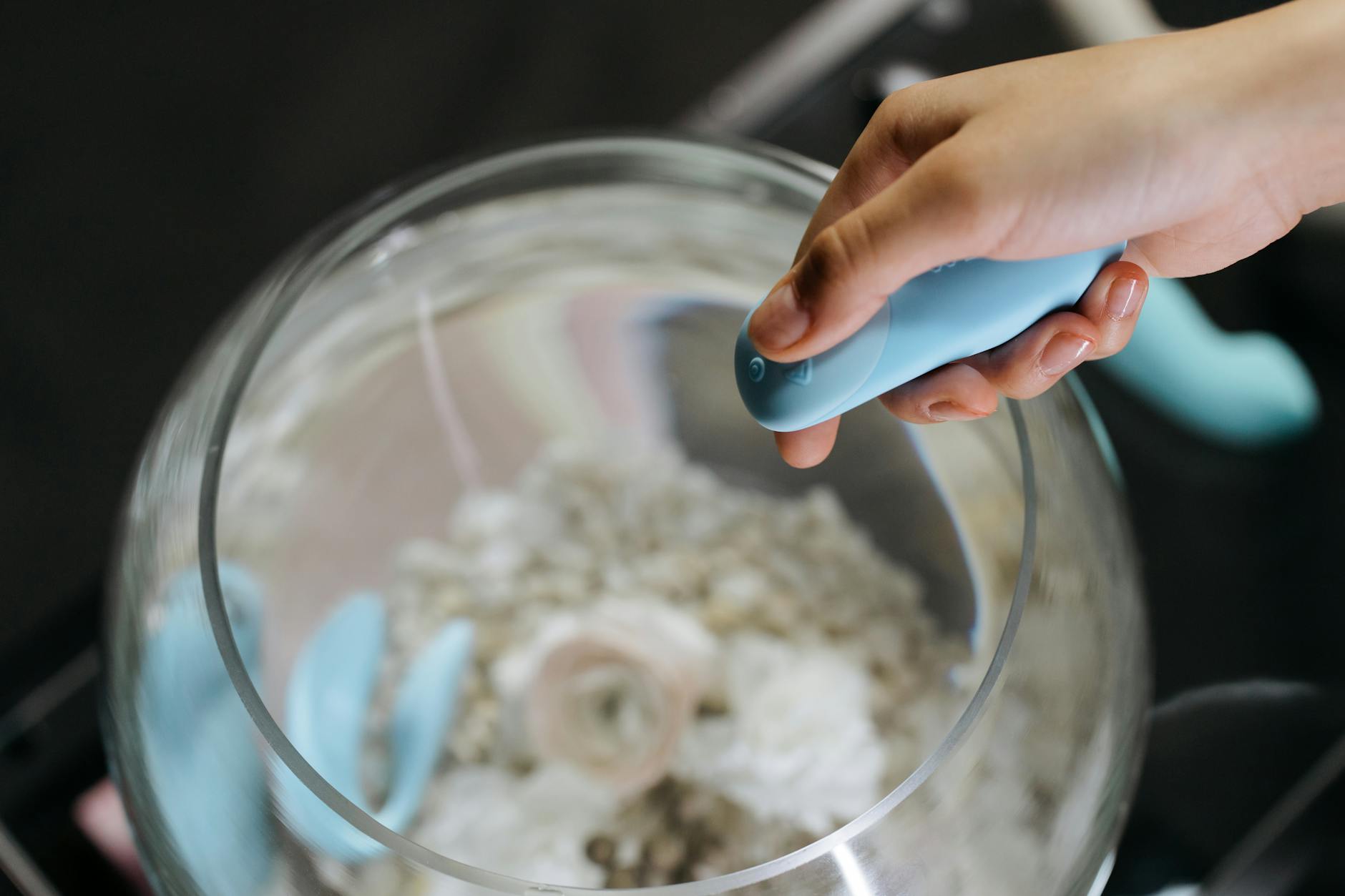
Photo by cottonbro studio on Pexels
Managing the mind chatter
Let's talk about the voice in your head that says, "This is sad. You should be over this by now. You shouldn't need a toy to feel okay."
That voice is lying. And it's also completely normal.
During transitions, self-soothing practices feel like admitting defeat. But they're not. They're tools for nervous system regulation. You wouldn't judge yourself for taking a hot bath or going to therapy or calling a friend at 2 a.m. Using a lemon clitoral vibrator is in that same category. It's self-care with a practical edge.
Here's a reframe that helps: pleasure isn't about "getting over it faster." It's about signaling to your body that even during hard times, you still deserve good sensations. That's a form of radical self-advocacy. Write that down if you need to.
Frequency and pacing during different transition stages
The way you use a lem vibrator changes depending on where you are in the transition.
Early stage (first 4-8 weeks). Use your lemon vibrator as a grounding tool, not a performance tool. Once or twice a week, low intensity. You're building tolerance for sensation, not chasing orgasm.
Middle stage (2-4 months). Frequency can increase if it feels good. Maybe 2-3 times a week. You can start experimenting with higher intensity levels. Your nervous system is beginning to stabilize.
Late stage (4+ months). By now, pleasure often returns naturally. Some people continue using lemon sexual toys regularly. Others find they want partner connection again. Both are fine. There's no "right" recovery timeline.
The goal isn't consistency. The goal is listening to what your body actually wants, not what you think it should want.
When to reach out for professional support
If you're using a lemon vibrator and still feeling completely numb after 3-4 months, that's a signal. Not that you're broken. That your nervous system might need additional support beyond self-pleasure.
Talk to a therapist who specializes in trauma or transition. Sometimes depression or anxiety needs medical attention. Sometimes relationship rupture needs grief work. Pleasure is part of healing, but it's not the whole story.
Similarly, if pain shows up during or after using clitoral vibrators during a transition, check in with a doctor. Stress can change your body's physical response. That's treatable.
The bigger picture: pleasure as continuity
Here's what I see in my practice: people who maintain some form of sexual self-care during major transitions recover their sense of self faster. Not because an orgasm is magic. But because self-pleasure is a conversation with yourself. It says, "I'm still here. My body is still mine. I still matter."
That might sound big for something as simple as using a lemon clitoral vibrator. But it is. During upheaval, when you're managing logistics and grief and uncertainty, reclaiming even 15 minutes of intentional pleasure is an act of resistance against the chaos. It's proof that joy is still possible.
That's not frivolous. That's foundational.
FAQ
Is it normal to want more sexual stimulation during a breakup?
Yes. Breakups trigger both numbness and hyperarousal. Some people shut down completely. Others seek pleasure intensely as a form of self-soothing or distraction. Both are normal stress responses. If you want to use a lemon vibrator during a breakup, that's fine. If you don't, that's fine too. Listen to your body.
Can using a clitoral vibrator during a transition slow down my emotional healing?
No. Pleasure doesn't interfere with grief or processing. They exist in different parts of your nervous system. You can absolutely mourn a relationship and also experience good sensations. In fact, reclaiming sensation after major life changes often accelerates recovery because it signals to your brain that life is beginning again.
How often should I use a lemon sexual toy while going through a major transition?
There's no prescription. Some people want to use lemon adult toys daily. Others once a week. The only rule is that it should feel good, not obligatory. If you're using self-pleasure as a way to avoid processing emotions, that might be worth examining. If it feels restorative, you're on the right track.
What if I feel guilty using a lem vibrator after a breakup?
Guilt often shows up because you've internalized the idea that you should still be grieving, not feeling pleasure. But your nervous system doesn't know the difference between self-soothing and frivolity. It just knows: sensation, safety, downregulation. Give yourself permission. Your pleasure during hard times is not a betrayal of what you lost.
Can lemon vibrators help with the "numbness" phase of major life changes?
Absolutely. That's actually their sweet spot. When you're emotionally flat, a clitoral vibrator gives you direct sensory input without requiring you to generate arousal internally. Why Lemon Vibrators Take Longer to Work After Hormonal Changes explores this further, but the same principle applies to emotional numbing. You're gently waking your nervous system up again.
Is using a vibrator instead of a partner connection isolating?
No. Self-pleasure is not a substitute for intimacy, nor should it be. But during transitions when partnership isn't available or isn't healthy, self-pleasure maintains your connection to your own body. That's important. Once your life stabilizes, you can explore partnership again from a grounded place. How to Use Lemon Vibrators With a Partner Without Losing Connection covers that territory when you're ready.
You're still here
Major life transitions are hard on your nervous system, your sense of self, and your capacity for pleasure. That's not a sign of weakness. It's a sign that you're human and that change costs something.
Using a lemon clitoral vibrator during upheaval isn't about rushing through grief or pretending everything's fine. It's about maintaining a conversation with your own body while the rest of your life is rearranging itself. It's about saying: I am here, and I deserve to feel good.
That's not selfish. That's survival. And it's one of the kindest things you can do for yourself right now.