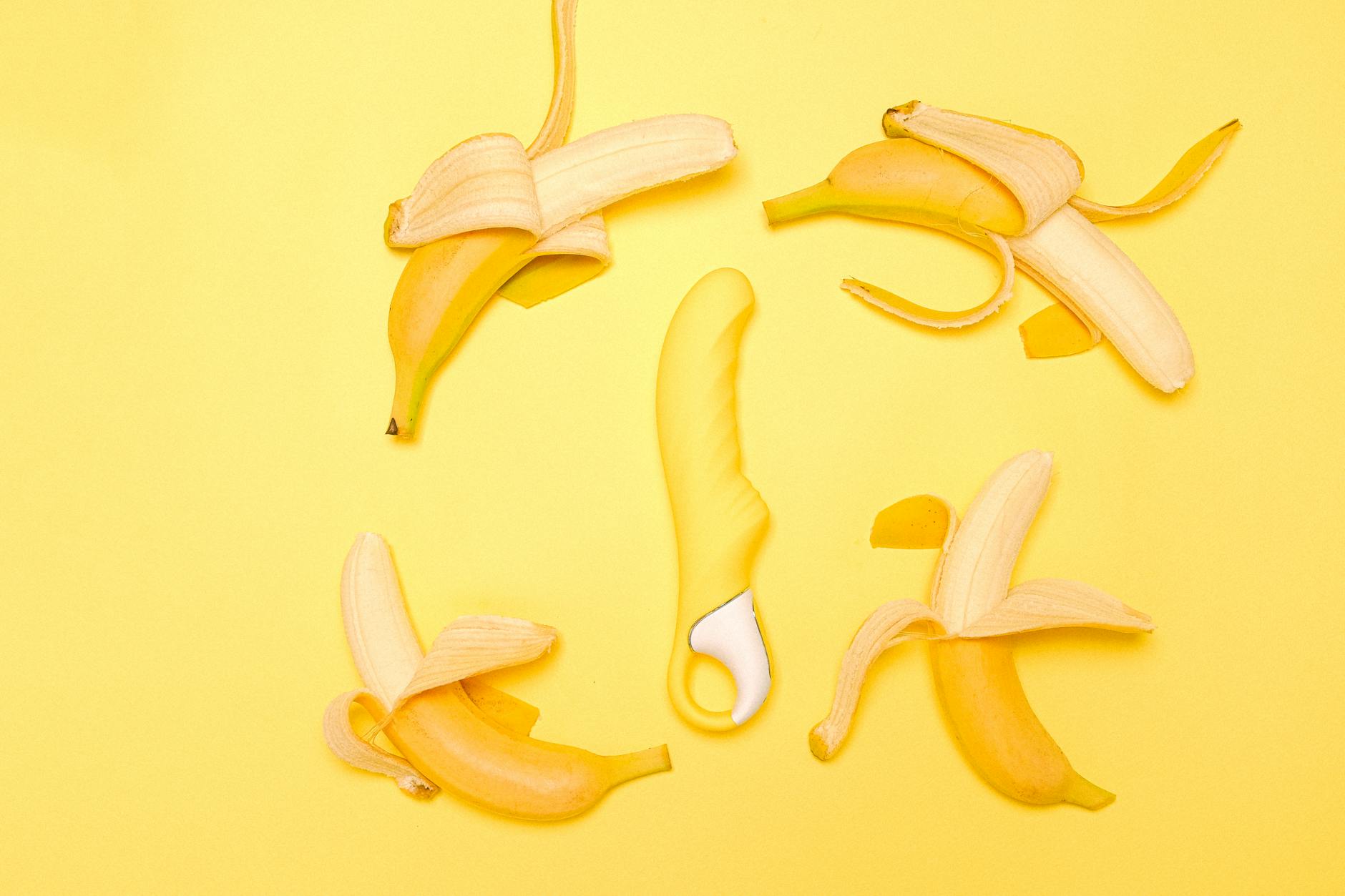
Here's the thing about vibrators and hormones
You've been using your Lemon vibrator the same way for years. It worked. Then somewhere around your late 30s, 40s, or after a major life event, it started taking longer. Ten minutes became fifteen. Fifteen became twenty. And now you're wondering if the device is dying or if you are.
Neither. What changed is the speed at which your nervous system wakes up to stimulation.
Why arousal response slows down
Hormones aren't just mood stuff. Estrogen and progesterone regulate blood flow to the genitals, tissue thickness, and how quickly nerve receptors fire. When those hormones shift—whether from perimenopause, postpartum recovery, certain medications, or stress—the entire arousal cascade moves slower.
Think of it like this. Your clitoral nerve receptors are still there. Still responsive. But the electrical signal that says "hey, we're getting stimulated" travels a bit slower through your system now. The blood vessels take an extra beat to dilate. The tissues take longer to swell. Your brain's reward pathway still lights up, but the fuse is longer.
This is not a sign of dysfunction. It's a sign that your body is operating under different neurochemical conditions than it used to. And that matters because most people interpret "longer arousal time" as "something's wrong with me" instead of "I need to adjust my approach."
The clitoral suction effect and slower response time
Lemon vibrators, especially those using clitoral suction or pulsing patterns, rely on rapid blood flow to the clitoral glans and surrounding tissue. When arousal is building fast—like it does in your 20s or early 30s—that blood arrives quickly and the suction sensation feels almost immediate.
When hormonal shifts slow your baseline arousal, that blood flow response becomes more gradual. The suction still works. The lemon clitoral vibrator is still creating the physical stimulation your body needs. But it might take an extra 5 to 10 minutes before you feel the full intensity kick in.
This is actually useful information. It tells you that your body still wants this stimulation. You just need to front-load your warm-up time differently.
What's changing in your body (and what isn't)
Hormonal shifts affect these specific things:
What changes: blood flow speed, tissue engorgement timing, lubrication production, the pace of nerve signal travel, and how quickly your pelvic floor responds to stimulation.
What doesn't change: your clitoral nerve density, your capacity for orgasm, your ability to experience intense sensation, or your brain's pleasure response once arousal reaches a threshold.
The second list is the one most people forget. Your lemon sexual toy isn't less capable. Your body isn't less capable. The pathway just has a longer runway now.
The warm-up time shift
I work with partners constantly who interpret the longer arousal phase as a partner problem. "She doesn't respond to me anymore," one person told me. What was actually happening: they were expecting immediate results and giving up after five minutes.
When hormones shift, budget differently. A realistic warm-up window might be 15 to 25 minutes instead of 5 to 10. This isn't about your lemon vibrator being weaker. This is about your nervous system needing more time to transition from "everyday mode" to "pleasure mode."
One practical tool: use your lemon clitoral vibrator at lower intensity settings for the first 10 minutes. Not because high intensity won't work eventually, but because ramping up gradually actually helps your nervous system coordinate the arousal response more effectively than jumping straight to maximum.
External versus internal factors
Hormones are one piece. But slower arousal response often has other drivers too. Stress, relationship disconnection, medication side effects, sleep debt, and pelvic floor tension all slow the blood flow response independently of hormonal status.
If you've noticed this shift recently, do a quick audit. Are you more stressed than you were a year ago? Has your sleep schedule shifted? Are you on any new medications? Has the dynamic with your partner changed? Sometimes what feels like a hormonal issue is actually a life circumstance issue wearing a hormonal disguise.
The useful part: many of these are adjustable. Better sleep, lower stress, and reconnection with a partner often restore the faster arousal response faster than you'd expect. Not because anything was broken, but because your nervous system doesn't operate in isolation.
Why patience actually works better than buying new equipment
When people notice their lemon vibrator isn't delivering the same rush, the instinct is often to upgrade. Different pattern. Different intensity. A new adult toy altogether.
Sometimes a new device helps. But more often, what helps is adjusting your approach to the device you already have. Longer warm-up. Lower starting intensity. More frequent use (which actually improves blood flow response over time). Different positioning. A conversation with your partner about pacing.
These adjustments cost nothing and work in about 80% of cases where arousal response has genuinely slowed.
When it's worth checking in with a healthcare provider
If your arousal response slowed suddenly—like over days or weeks instead of months—that's worth mentioning to your GP. Same if you're experiencing pain with a lemon clitoral vibrator that wasn't there before, or if lubrication has completely dried up.
Those can point to specific things your doctor can help with. Topical estrogen. Testosterone therapy. Managing medication side effects. A pelvic floor physiotherapist if tension is the culprit.
But a gradual shift in arousal timing? That's often just your body's baseline changing, and it's genuinely manageable with information and small adjustments.
The plot twist about pleasure after hormonal shifts
Here's what I've observed clinically: people often report more intense orgasms after they adapt to the longer arousal window. Not fewer, not less satisfying. More.
Why? Because you're not fighting your body's natural pace anymore. You're working with it. You're not chasing that immediate rush from your 20s. You're building something that unfolds more gradually and often feels deeper. Some of my clients describe it as the difference between a spark and a sustained flame.
Your lemon vibrator isn't losing its magic. You're learning to use it differently, and that difference often becomes an upgrade once you stop treating slower arousal as a problem.
FAQ
Why does my lemon vibrator feel less intense than it used to?
The device itself hasn't changed, but your arousal response has. Hormonal shifts slow blood flow and tissue engorgement, which means it takes longer for the physical stimulation to build into that intense sensation. The intensity is still there—it just needs more time to arrive. Think of it like warming up an engine before you floor it.
How long should I expect to wait before my lemon clitoral vibrator "works"?
After hormonal shifts, 15 to 25 minutes of warm-up time is realistic before you feel the full response. Start with lower intensity settings for the first 10 minutes, then increase. This isn't universal—some people adjust faster—but it's a reasonable expectation if arousal response has slowed.
Can I fix slower arousal response with a different vibrator pattern?
Sometimes, but often not. A different pattern might feel novelty-interesting, but it won't solve the underlying arousal response slowdown. Better approaches: longer warm-up, lower starting intensity, managing stress, improving sleep, and addressing pelvic floor tension if that's present. A new device is a last resort, not a first one.
Is slower arousal response after hormonal changes permanent?
Not necessarily. If the slowdown is purely hormonal, managing that through medication, lifestyle changes, or lifestyle adjustments can restore a faster response over months. If it's stress or relationship-related, addressing those factors often helps too. If it's tied to medication side effects, talking to your doctor about alternatives might shift things. But even if the baseline doesn't return to "faster," adapting your approach usually makes the slower pace feel just as good.
Should I use lube more now that arousal is slower?
Yes. Slower arousal means slower lubrication production, so having water-based lube on hand helps bridge that gap. You're not broken—your body just needs external support for something it used to produce faster. This is normal and practical, not a sign of decline.
Does a slower arousal response mean I'll have weaker orgasms with my lemon sexual toy?
No. Slower doesn't equal weaker. The buildup takes longer, but the actual orgasm often remains just as intense or sometimes even more so because the buildup is deeper. Some people even report more powerful orgasms after hormonal shifts, once they stop fighting their body's new pace and start working with it.
What actually helps
Your lemon vibrator is fine. Your capacity for pleasure is fine. What's shifted is the timeline, and that's workable. Budget more time. Start at lower intensity. Check in with your stress and sleep. If something hurts, see your doctor. And give your nervous system permission to work at its current pace instead of the pace it used to work at.
That permission alone changes everything. If you'd like to talk through what's shifted in your pleasure patterns or explore how your body is responding to changes, I'm here. Reach out anytime.