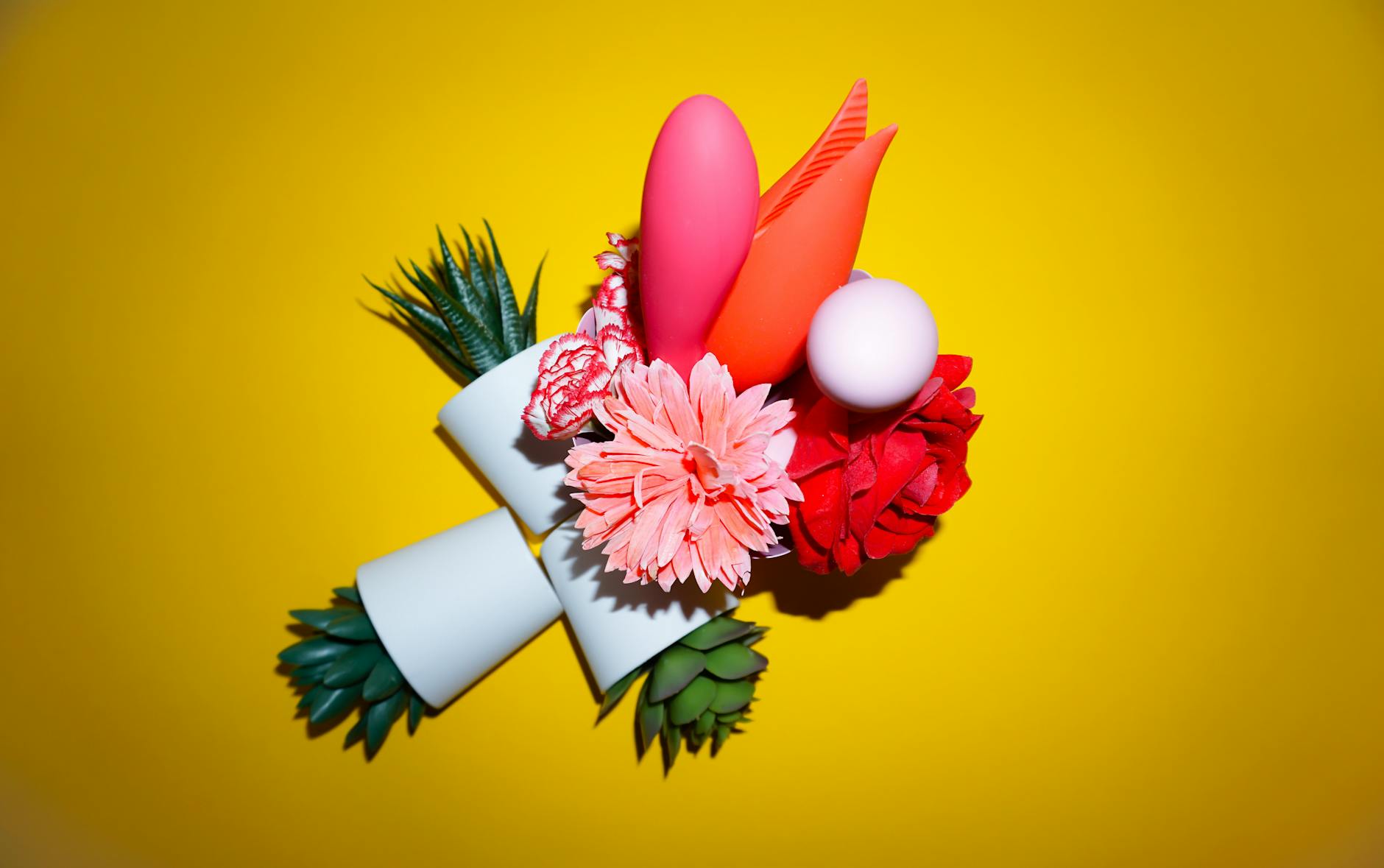
Here's the thing about pleasure fading in long-term relationships
It's not the lemon vibrator. It's not you. And it's definitely not that you've ruined yourself somehow. The intensity drop you're noticing is actually neurological, relational, and almost entirely reversible once you understand what's driving it.
I see this pattern constantly in my practice. A couple brings home a lemon clitoral vibrator, explores it together, experiences that electric first few weeks of discovery. Then three months in, something shifts. The same pattern that felt revelatory starts feeling routine. The orgasms are still there, but the edge is gone. And the blame lands on the toy.
Here's what's actually happening.
The neuroscience of novelty wearing off
Your brain is hardwired to pay more attention to new things. When you first introduce a lemon vibrator into your relationship, your dopamine system is firing on novelty alone. Your partner is watching, you're learning something together, there's an element of discovery. That's not the vibrator being better. That's your nervous system being flooded with anticipation.
After two months of the same pattern, your brain stops generating that dopamine spike. The sensation hasn't changed. Your sensitivity hasn't changed. But your attention has shifted. You're no longer present with it. You're going through the familiar motions.
This is called hedonic adaptation, and it happens with everything pleasurable: new relationships, new homes, new achievements. The intensity isn't real. Pleasure was always real. Your focus is what changed.
Why couples mistake this for the toy losing power
There's a specific gap that opens in long-term relationships around pleasure tools. Early on, everything about using a lemon clitoral vibrator together feels intentional. You're communicating. You're learning each other's preferences. You're present.
Then life happens. Schedules compress. You stop talking about it the way you did. The vibrator becomes something you reach for while scrolling, or during a quickie, or in the dark without much conversation. The physical stimulus is identical. The relational context has evaporated.
Here's what my clients often describe: "It doesn't feel as intense." What they're really saying is: "The experience around it has become less intentional." And that's a relationship problem wearing a pleasure problem's outfit.
The intimacy gap that makes lemon vibrators feel muted
Long-term couples often stop talking explicitly about what they want, what's working, what's changed. You assume continuity. You think, "We tried this six months ago and it was amazing, so it should still work the same way." But you're different people than you were six months ago. Your body is different. Your stress level is different. Your capacity for presence is different.
When you were using your lemon vibrator in month two, you had bandwidth. You were probably touching your partner. They were probably touching you. There was eye contact, communication about intensity and speed and timing. The vibrator was part of a conversation.
Now, the vibrator has become a solo tool even when you're in the room together. And solo pleasure in a partnered context, without active communication, feels flatter. Not because the sensation is weaker. Because the shared attention is absent.
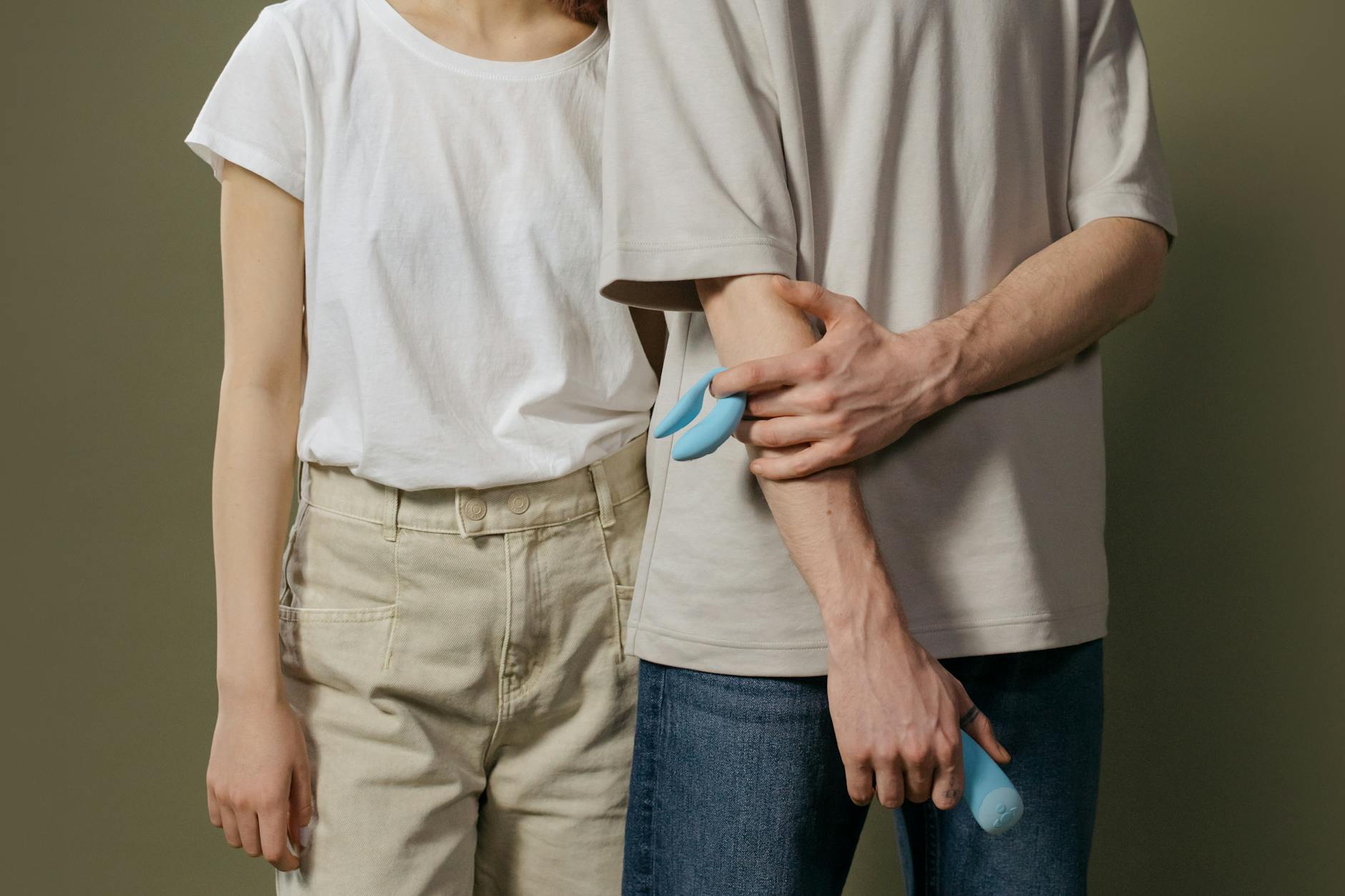
Photo by cottonbro studio on Pexels
What actually restores that sensation you're missing
Four things work. Not in sequence. All at once.
Reintroduce intentionality. Don't use your lemon clitoral vibrator during a time crunch or while distracted. Set 30 minutes aside where that's the only activity. No phones. No watching TV. This isn't about "spicing things up." It's about returning to the conditions that made it feel intense in the first place.
Talk during. Tell your partner what you're experiencing. "It feels strong here." "Slow down." "Can you watch?" This is not unsexy. This is the opposite of unsexy. It rebuilds the shared attention that novelty provided automatically in month two.
Vary the context. Use your lemon vibrator at different times of your cycle (if you have one). Use it when you're more rested versus exhausted. Use it with different patterns of touch from your partner. Your nervous system needs novelty in the conditions, not the device.
Revisit why you wanted this in the first place. I ask my clients this question regularly. Most couples brought home a clitoral vibrator because something in the pleasure department felt stuck. That stuck feeling didn't go away. The vibrator provided a temporary distraction from the stuckness. But the underlying issue is still there. If you're feeling disconnected sexually, a lemon vibrator won't fix that. A conversation will.
How to talk to your partner about pleasure that's lost its edge
This is where most couples get stuck. They sense the shift, but they're embarrassed to name it. So they just... stop using the toy. Or they use it less. And they never actually figure out what happened.
The conversation looks like this. Not during sex. After, or at a totally neutral time. "I've noticed the intensity feels different than it did a few months ago. I don't think it's the vibrator. I think it's that we're not as intentional about it. I want to figure out how we can bring that back."
Then you listen to what your partner says. Often, they've felt the exact same shift. They were just waiting for you to name it.
The conversation that follows is about logistics and desire. When can you both create that space? What would make it feel different? Do you need to add something, or just return to the conditions that made it work? Usually it's the latter.
The long-term pleasure reset that actually works
Here's the pattern I see in couples who maintain intensity over years: they treat pleasure like they treat any other important thing in the relationship. They schedule it. They protect it. They communicate about it. They refresh it when it gets stale.
This is not romantic. It's also the only way romance survives past year two.
When you're using a lemon vibrator in month six of partnership, that intensity is real. It's also not sustainable on novelty alone. What makes it sustainable is the relational intentionality around it. Your partner's attention. Your communication. Your willingness to ask for what you want instead of assuming continuity.
The vibrator is the same. You're different. And that's actually good news, because you can control that variable in a way you can't control the vibrator itself.
Why this matters for pleasure tools going forward
If you're reading this thinking, "We've already lost the intensity, is it too late?" No. The reset is almost always possible. It requires a conversation your partner probably wants to have anyway. It requires scheduling and intentionality when those feel unsexy. But it works.
This is also why couples who maintain pleasure over time don't keep buying new tools hoping the sensation will come back. They maintain the conditions that made the original tool feel powerful. A lemon clitoral vibrator in month eighteen with full attention is more intense than the same vibrator in month three without it.
Your nervous system needs presence, novelty in context, and partnership attention to experience maximum pleasure. The device is a tool. The relational conditions are what determine whether that tool ever gets used with full intensity.
If you're ready to rebuild that together, start with the conversation. Everything else flows from there.
Frequently asked questions
Why does my lemon vibrator feel less intense than it did when I first got it?
Your nervous system experiences novelty as intensified sensation. When you first introduce a lemon clitoral vibrator, your brain generates dopamine spikes in anticipation and discovery. After two to three months, hedonic adaptation kicks in. Your attention shifts and the sensation feels flatter even though the vibrator's stimulation hasn't changed. This isn't a device problem. It's a neurological pattern that's completely reversible with intentional attention and presence.
Can I restore pleasure intensity in a long-term relationship?
Absolutely. The intensity fades because relational intentionality fades, not because your capacity for pleasure diminishes. By returning to scheduled time, active communication during pleasure, varying context, and reconnecting with your original desire for the tool, couples consistently report the sensation feeling electric again. This usually takes two to three weeks of consistent practice.
Is it normal for couples to stop using vibrators after the first few months?
Yes, and it's almost always because the conditions around using them have changed, not because the tool itself is ineffective. As long-term couples settle into routine, they often deprioritize pleasure or use it in rushed, distracted ways. When they rebuild the intentionality, the vibrator becomes central to their intimate life again.
Should my partner be involved when I use a lemon vibrator?
Not necessarily, but partnership attention dramatically increases sensation intensity. Solo pleasure with a lemon clitoral vibrator is valuable. Solo pleasure while your partner actively engages (watching, touching, communicating) creates a completely different neurological experience. Many couples find that reintroducing partner attention is the fastest way to restore that sense of intensity.
How often should we use a lemon vibrator to keep it feeling intense?
Frequency matters less than intentionality. A couple who uses a lemon vibrator once a week with full presence will experience more sustained intensity than a couple using it three times a week while distracted. Start with once weekly and protect that time like you'd protect a date night. Once it feels routine, vary the context: different times, different partner involvement levels, different positions.
What if we've lost sexual intimacy and the vibrator won't fix it?
You're right. A lemon clitoral vibrator is a tool, not a relationship repair. If sexual disconnection is rooted in larger relational issues (unresolved conflict, emotional distance, different desire levels), the vibrator will highlight the problem rather than solve it. Start with the conversation about what's actually shifted in your relationship. Pleasure tools work best when the foundation is solid.
Final thought
The intensity you felt with your lemon vibrator in month two was real. The flatness you're feeling now is also real. But they're not caused by the same thing. Pleasure isn't a static sensation you can bottle and replicate indefinitely. It's a dynamic experience shaped by attention, novelty in context, communication, and presence. When those conditions return, so does the intensity. Usually within weeks. And when you figure this out, you've solved something bigger than the vibrator problem. You've solved the intimacy problem that was always underneath it.