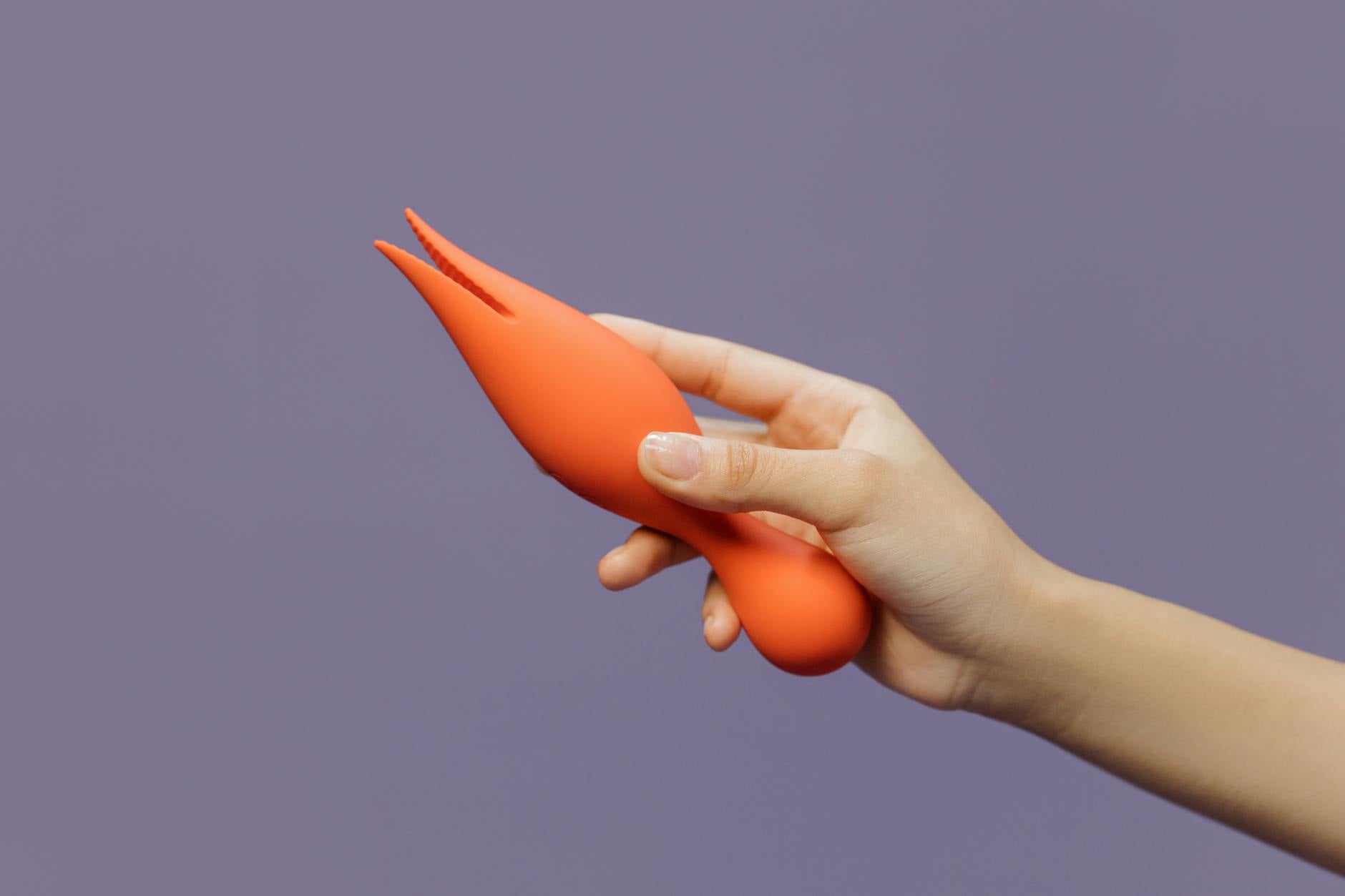
How to Use Lemon Vibrators for Partners Exploring Solo Pleasure Together
Let's be real: most couples don't talk about solo pleasure. It exists in a weird shadow zone. They're together, so shouldn't they be exploring everything together? Except that's not how bodies work. Solo exploration is not a betrayal or a backup plan. It's actually the fastest way to rebuild intimacy when a couple has lost touch with what feels good.
This is especially true when partners are using lemon vibrators for the first time. Individual discovery changes everything.
Why solo exploration matters more than you think
Here's the thing about pleasure as a couple: you're both performing, even if you don't mean to be. You're watching each other's faces, timing your breath, trying not to take too long or finish too fast. The anxiety of being watched slows everything down. That's not a moral failing. That's just how the nervous system works.
When you explore solo first, you remove that layer. You learn what patterns actually build sensation for you without an audience. You discover whether you prefer pattern 2 or pattern 5 on your lemon vibrator. You figure out how long your warm-up actually takes. You find out whether you like a little pressure or a lot. This isn't selfish. This is research. Good research.
What you learn alone becomes the foundation for what you do together. Instead of guessing, you show your partner exactly what works. Instead of feeling awkward about your own pleasure, you feel confident. That confidence is magnetic in a partnership.
Starting the conversation without shame
Okay, so the practical part: how do you even say this to your partner? "I want to masturbate with a lemon vibrator" doesn't have to be complicated, but it also shouldn't come out of nowhere.
Start with curiosity, not confession. "I've been thinking about trying something new solo and I'd love to share what I learn with you" is very different from "I need to get myself off alone because you're not doing it right." One is an invitation. The other is an indictment. Frame it as exploration, not escape.
Give your partner a choice about involvement. Some partners want to be in the room watching while you explore. Some prefer to wait until you've figured things out, then have you show them. Some will want to try their own solo exploration in parallel. None of these is wrong. The point is consent and communication, not everyone doing the same thing.
If your partner is hesitant, name the actual fear. Usually it's one of three: "I'm worried you don't want me anymore," "I'm worried this means I'm not enough," or "I'm worried solo pleasure is cheating." None of those are true, and they're worth addressing directly rather than just plowing ahead.
Building a solo practice that feels sustainable
Solo exploration only works if you actually do it. Not once. Regularly. Which means it has to fit into your actual life, not your fantasy version.
This is where a lot of couples stumble. They plan these elaborate evenings with candles and wine and zero interruptions. That's nice sometimes. But realistic solo exploration usually happens in shorter windows. Twenty minutes on a weeknight. Thirty minutes on Saturday morning before the kids wake up. Fifteen minutes when you have the house to yourself after work. The lemon vibrators from Get Lemon Adult Toys are quiet and fast enough for this kind of integrated exploring.
Set a loose schedule that actually matches your life. Not "every Tuesday at 8 p.m.," which guarantees you'll abandon it when life happens. More like "a couple times a week when I have time alone." You're building a habit, not planning a medical procedure.
Start at lower intensities. If you've never used a lemon clitoral vibrator before, don't jump straight to the highest setting. Your nervous system needs time to acclimate. Spend your first few sessions on patterns 1 and 2. Let your body get curious. There's no finish line here. The point is learning, not reaching an orgasm as fast as possible.
Tracking what you actually learn
This sounds awkward but it's genuinely useful: jot down a few notes after each solo session. Not a journal. Just: "Pattern 3 was intense. Preferred pattern 2 with light pressure. Took about 20 minutes to build sensation." Or "Felt numb today. Might be stress." Or "Slower warm-up needed. Switched to the Lemon vibrator and that helped."
Why? Because your body changes. Stress affects sensation. Your cycle affects sensation. Anxiety affects it. Fatigue affects it. Without notes, you'll forget what actually worked last time and just guess again. With notes, you're collecting real data about your own pleasure.
These notes also become the foundation for conversations with your partner. Instead of "I don't know, it just feels different," you can say "I noticed I need more warm-up time this week. Probably work stress." That's information your partner can actually work with.
Moving from solo to shared
So you've spent a few weeks exploring solo. You know your favorite patterns. You know how long warm-up takes for you. You know whether you like direct stimulation or something gentler. Now what?
Invite your partner into the discovery. This doesn't mean they take over. It means they watch and listen. You guide them. "This is the pattern I like," you say, and you show them. "This is what builds sensation for me," and you narrate it as it's happening. They're not doing something to you. They're learning from you. There's a massive difference.
Some partners will want to mirror what you're doing with their own exploration, either solo or together later. Some will want to focus on partnered pleasure from here. Both are fine. The key is that you're now speaking the same language about what actually feels good.
A lot of couples find that once one partner starts solo exploration, the other naturally wants to do the same. There's something about seeing someone confident in their own pleasure that makes exploring feel less scary. How Lemon Vibrators Help Rebuild Desire After Years of Routine Sex covers this dynamic in more detail if you're both rebuilding after a long period of autopilot.
Staying connected while exploring separately
Here's where a lot of people panic: won't solo exploration pull us apart? If we're both doing our own thing, isn't that distance?
Not if you're intentional about connection. Solo exploration doesn't have to be secret. You can share what you've learned. "I found out I actually prefer the slower patterns. That surprised me." Or: "My body's been weird this week. I think my cycle is throwing things off."
You can also schedule partner time separately from solo time. Like, you each explore solo on Tuesday and Thursday. Then you have partnered time on Saturday. That structure helps. It feels intentional instead of haphazard.
Some couples find that watching each other explore is its own kind of intimate. If that appeals to you, that's another option. Not forced proximity. Just... present. Seeing your partner learn their own body is actually connecting, even if you're not touching each other.
When solo exploration gets complicated
If one partner wants to explore and the other really doesn't, that's a conversation worth having with a therapist or counselor. It usually signals something underneath. Fear of abandonment. Shame about pleasure generally. Mismatched libidos that need addressing anyway. Those aren't problems solo vibrators fix. But they're worth naming.
If solo exploration is replacing partnered time entirely, that's also worth checking in on. Solo pleasure is valuable. But it shouldn't be a way to avoid each other.
If you're exploring solo and having trouble with sensation, that's worth investigating too. How Lemon Clitoral Vibrators Work for People With Reduced Sensation has some practical strategies if this is your experience. The lemon suction technology often works better than vibration alone for people with numbness or reduced sensitivity.
The bigger picture
Solo exploration isn't a detour on the path to partnered pleasure. It's actually part of the same journey. You learn your own body first. Then you share that knowledge. Then you build something together that's actually based on reality instead of assumption.
That's how couples move from performing for each other to actually connecting. Get Lemon Adult Toys makes tools that work for solo exploration and for sharing. A lemon vibrator is small enough to use alone and intimate enough to bring into partnered time whenever you're ready.
The goal isn't simultaneous orgasms or perfect synchrony. The goal is knowing yourself and being known. Everything else follows from that.
People also ask
Is it normal for partners to explore solo pleasure separately?
Completely normal. Most people discover their own bodies before they share that knowledge with a partner. The difference is that talking about it openly, instead of keeping it private, actually deepens connection. It transforms solo pleasure from something hidden into something shared and understood.
How often should we be exploring solo if we're doing this together?
There's no set frequency. Some couples aim for a couple times a week per person. Some do it more, some less. The key is that it's regular enough that you're actually learning about your body, not just occasional. Consistency matters more than intensity.
What if my partner feels threatened by my solo exploration?
That's worth a direct conversation. Often the threat isn't actually about solo exploration. It's about fear of not being enough, or shame about pleasure generally. Naming that fear specifically usually helps. "I'm worried this means you don't want me" is different from "I think solo pleasure is cheating," and each one needs a different response.
Can we use the same vibrator for solo and partnered exploration?
Yes, as long as you're both comfortable with it. Some couples prefer to have their own lemon vibrators so there's no negotiation about whose turn it is. Others like sharing one and taking turns. Both work. Just agree on what feels right for you.
How long does it take to see benefits from solo exploration?
Most couples notice a shift within a couple of weeks once they start talking about what they're learning. The real benefits come over months, when you've built enough data about your own body that you actually know what you want and can ask for it. That's when partnered pleasure usually shifts too.
What if I'm not having orgasms during solo exploration?
Orgasm isn't the goal of solo exploration. Learning is. You're figuring out what sensations you like, how your body responds, what patterns build pleasure. Orgasm might come. It might not. Both are fine. The nervous system still benefits from the attention and the pleasure, even if it doesn't culminate in an orgasm.
If you're ready to start exploring together, start with a conversation. Not during sex. Not when you're stressed. Just: "I've been thinking about trying something new, and I'd love to learn about my own body more. Would you be open to talking about that?" Everything else follows from that one honest sentence.