Let's talk about what your meds are actually doing
Antidepressants, blood pressure medications, antihistamines, and hormonal birth control don't just affect your mood or your blood vessels. They change sensation. They change how fast you get aroused. They change whether orgasm feels possible or distant. And nobody warns you about this until you're already frustrated.
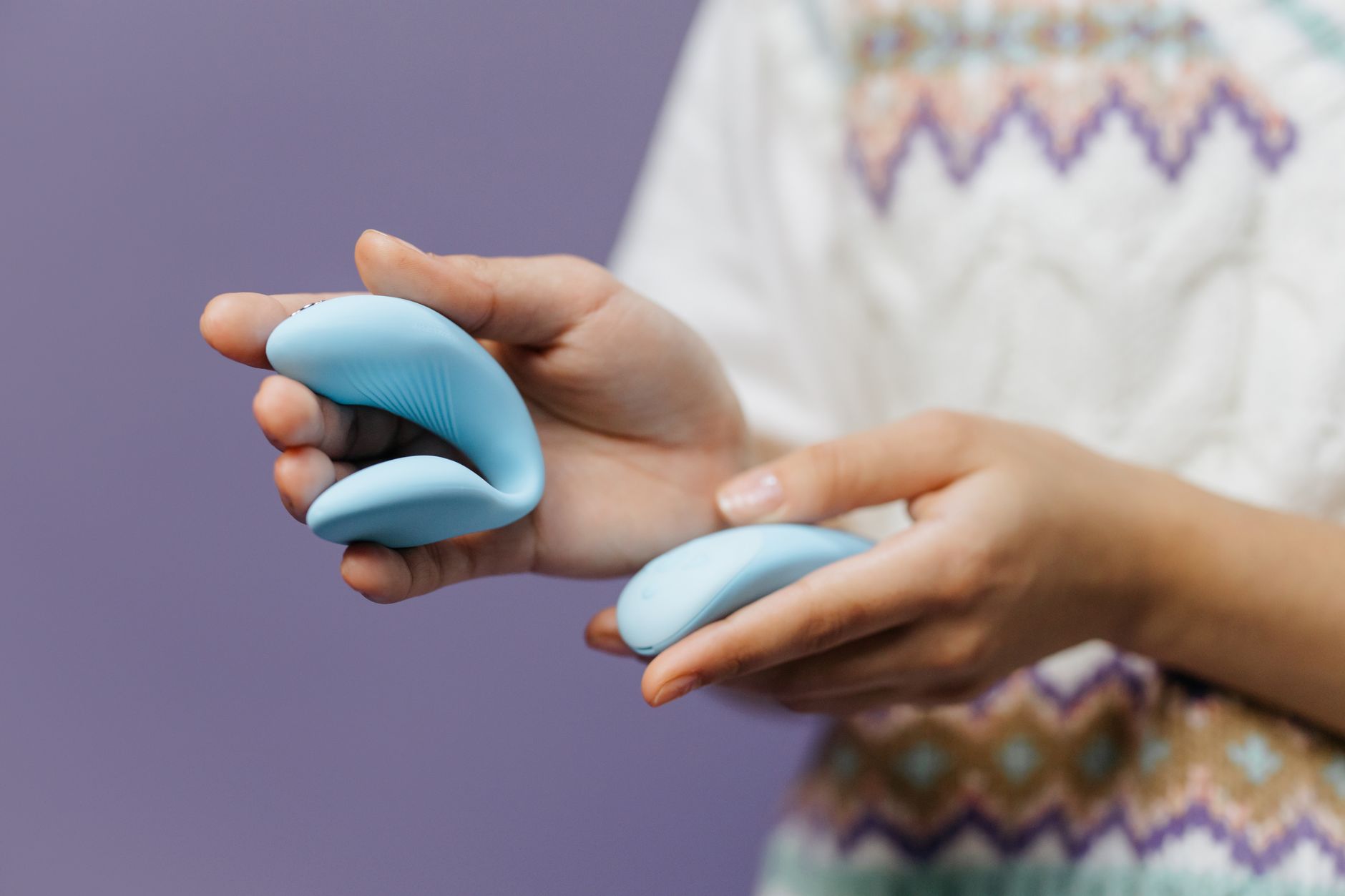
Here's the thing: this isn't your body breaking. It's your body adapting to a chemical change. The good news is that lemon vibrators work differently than your hand or a partner's touch. The suction-based stimulation used by tools like the Lem creates a different neural pathway. That difference can be exactly what you need.
How medications mess with sensation (the science part)
Different drug classes do different things:
SSRIs and SNRIs. These increase serotonin, which is great for mood but can delay orgasm or flatten sensation. Some people report feeling pleasurable stimulation but struggling to cross the finish line. Others say sensation feels muted, like they're experiencing everything through gauze.
Blood pressure meds. Certain classes reduce blood flow to the genitals. Lower blood flow means slower arousal, less engorgement, and sometimes numbness.
Antihistamines. These dry things out. Your mouth, your sinuses, your vagina. Dryness equals friction, friction equals less pleasure, and less pleasure feels like broken equipment when it's actually just chemistry.
Hormonal contraception. The dose of synthetic hormones in birth control suppresses testosterone. Testosterone drives desire and sensation in all bodies with ovaries. Lower testosterone doesn't mean you can't feel pleasure. It means you might need more input to feel it.
Thyroid medication. Too much or too little affects energy and blood flow. If your dose is off, your whole sexual system feels off.
The crucial thing: none of this is permanent. Your body isn't permanently changed by medication. But your body right now is changed. Working with that reality beats fighting it.
Why lemon vibrators work better when medication flattens sensation
Standard vibrators use direct vibration. The sensation is consistent, predictable, and relies on direct nerve stimulation through friction. When medication numbs or delays sensation, direct vibration often doesn't cut through.
Lemon vibrators work through air-pulse suction technology. This creates a rhythmic compression and release that stimulates nerves in a completely different way than vibration does. Two key differences matter here:
First, suction doesn't depend on friction. If antihistamines have dried things out, or if you're struggling with reduced natural lubrication from medication, direct vibration can feel harsh or uncomfortable. Suction works through skin contact and gentle compression, not rubbing.
Second, suction feels more intense without more intensity. The rhythmic squeeze-and-release creates a compound sensation that reaches deeper nerve clusters. People often report that lower suction settings feel more pleasurable than higher vibration speeds on a traditional vibrator. This means you can achieve sensation intensity without aggressive friction.
That's why so many people taking medications that affect sensation find that a lemon clitoral vibrator becomes their most reliable tool.
Adjusting your technique when meds change your body
Four practical shifts that work:
Start with longer warm-up time. Medication-altered arousal doesn't mean arousal is impossible. It means arousal is slower. If you normally need 5 minutes of buildup, budget 15 to 20. This isn't laziness or loss of sexuality. It's your body's actual timeline right now. Honor that.
Use higher suction settings than you'd expect. The Lem has multiple suction intensities. When sensation feels muted from medication, jumping to levels 4, 5, or even 6 from the start is completely normal. You're not broken. Your nerve endings are just behind a chemical curtain. More intensity helps you feel past it.
Layer in lubrication even if you don't think you need it. Medication-induced dryness is sneaky. You might not feel dry, but microfriction still happens. Water-based lube reduces friction and helps suction work more effectively. This is especially true if you're taking antihistamines or certain blood pressure medications.
Separate sensation from orgasm. One of the hardest parts of medication-affected sexuality is the shame around delayed orgasm. You can feel amazing pleasure and still not cross the orgasm threshold. Here's the real talk: that's not failure. That's your nervous system right now. A lemon vibrator doesn't have to end in orgasm to be working. If suction feels good for 20 minutes and you stop without coming, that's still a win.
When to talk to your doctor (and what to ask)
First, absolutely tell your prescriber that medication is affecting your sex life. Doctors hear this constantly. They're not judging you.
Second, ask specifically: Is there a generic or alternative medication in the same class that might have fewer sexual side effects? Some SSRIs are gentler on arousal than others. Some blood pressure meds have better sexual side effect profiles. The answer might be yes, might be no, but asking matters.
Third, ask about dose adjustment. Sometimes lowering the dose slightly improves sexual side effects without sacrificing mental health benefit. This needs careful monitoring, but it's a real option.
If your doctor dismisses the issue or says "just live with it," that's a sign to get a second opinion. Sexual health is part of overall health. A good provider takes it seriously.
The partnership conversation (if you're not solo)
If you share your sex life with someone, medication-affected sensitivity affects them too. The worst approach is to pretend nothing changed and hope they don't notice.
The honest approach: "My medication is changing how my body responds to pleasure right now. I still want you. This doesn't mean I don't desire you. It means I need different input to feel the same pleasure. Can we explore this together?"
Many partners find that introducing something like a lemon clitoral vibrator isn't threatening. It's actually a relief. Instead of wondering why they're not turning you on the way they used to, they understand the issue is chemistry, not connection. That's clarifying. That's often connecting.
The timeline piece nobody mentions
When you start a new medication, sexual side effects often peak in the first four to eight weeks and then stabilize or improve. Your body adapts. If you're two weeks in and sensation feels completely flattened, there's usually improvement ahead.
Same thing applies when you adjust doses or switch medications. Give your body four to six weeks before deciding "this is permanent." Your nervous system needs time to recalibrate.
If you're six months in and nothing has shifted, that's when you talk to your doctor about alternatives. But early on, patience and adjustment are your friends.
A word about pleasure while medicated
Here's what I know from clinical experience: people on medications that affect sensation sometimes report that when they finally do reach orgasm, it's deeper and more full-body than it was before. The delay, the longer buildup, the different neural pathway, the psychological victory of sensation piercing through the chemical fog. It adds up to something different. Often something richer.
This isn't universal. But it happens often enough that I mention it. You're not just tolerating side effects. You might be building a different, slower, more intentional relationship with your own pleasure.
That's not a consolation prize. That's an actual gift, even if it doesn't feel like one right now.
FAQs
Do lemon vibrators work if you're on SSRIs?
Yes. SSRIs delay sensation and orgasm, which makes them frustrating for many people. Lemon clitoral vibrators use suction instead of vibration, which stimulates nerves through a different pathway. Many people find that suction-based lemon vibrators are more effective than traditional vibrators when medications have flattened sensation. You might need higher suction intensity or longer buildup time, but the mechanism often works.
Can you use a lemon vibrator if you're taking antihistamines?
Absolutely. Antihistamines dry tissue, which makes friction uncomfortable. Suction-based vibrators like the Lem don't depend on friction. The rhythm of compression and release works even when natural lubrication is reduced. Adding water-based lubrication helps even more.
Will my sexual response go back to normal if I stop my medication?
Often yes, but not always. It depends on the medication, how long you took it, and your individual physiology. Some people's sexual response bounces back within weeks of stopping. Others take months. Some find their baseline has shifted permanently. Talk to your doctor about what to expect based on your specific medication and timeline.
Is it okay to use a lemon vibrator every day while on medication?
Yes, as long as your skin stays comfortable. If you're using the Lem daily, make sure you're giving your vulva adequate rest between sessions (most people do fine with one rest day per week), using water-based lube to minimize friction, and washing the toy after each use. If irritation develops, scale back to three or four times per week.
What if I'm on multiple medications that affect sexuality?
Multiple medications can compound sexual side effects. This is worth a conversation with your doctor or a sexual health specialist who understands pharmacology. Sometimes adjusting one medication helps more than you'd expect. Sometimes combining approaches works better. You deserve a sex life that feels good, and there are usually options.
Does medication sensitivity eventually go away if I stick with treatment?
Sometimes. Your nervous system can adapt over weeks or months. Some people find that sexual side effects plateau or improve after the first few months on a stable dose. Others find they need to adjust. The key is not white-knuckling through it for years assuming it's permanent when it might actually shift with time or dose tweaking.