Here's what nobody tells you about clitoral sensitivity
It's not permanent. It changes. Your clitoris has roughly 8,000 nerve endings, and they respond to context. Age shifts them. Stress numbs them. Certain medications muffle them. Years of the same stimulation can make them ignore it entirely. But numbness doesn't mean you're broken. It means you need a different approach.
I've worked with hundreds of clients who describe the same frustration: what used to work stopped working. They escalate to stronger vibrators, longer sessions, more intensity. It doesn't help. It makes things worse. The answer isn't more power. It's understanding why sensitivity changes and using tools designed to wake the nerves back up instead of overstimulating them.
Why clitoral sensitivity actually fades
Four main culprits show up repeatedly in my practice.
Desensitization from repetition. If you've used the same vibrator the same way for years, your nerves adapt. This is neuroplasticity working against you. Your body learns to tune out the signal because it's predictable. You need novelty, not intensity.
Hormonal shifts. Dropping estrogen (whether from menopause, birth control changes, or other causes) reduces nerve sensitivity and blood flow to genital tissue. The clitoris literally becomes less responsive. This is biology, not a performance issue.
Medication side effects. SSRIs, blood pressure drugs, antihistamines, and even some pain medications blunt sensation. So does recreational substance use. If you've started something new and noticed numbness alongside it, that's worth discussing with your doctor.
Stress and disconnection. Chronic stress floods your body with cortisol, which constricts blood vessels and dampens nerve signaling. Emotional distance from a partner does the same thing neurologically. Your nervous system literally can't feel as much when it's in protection mode.
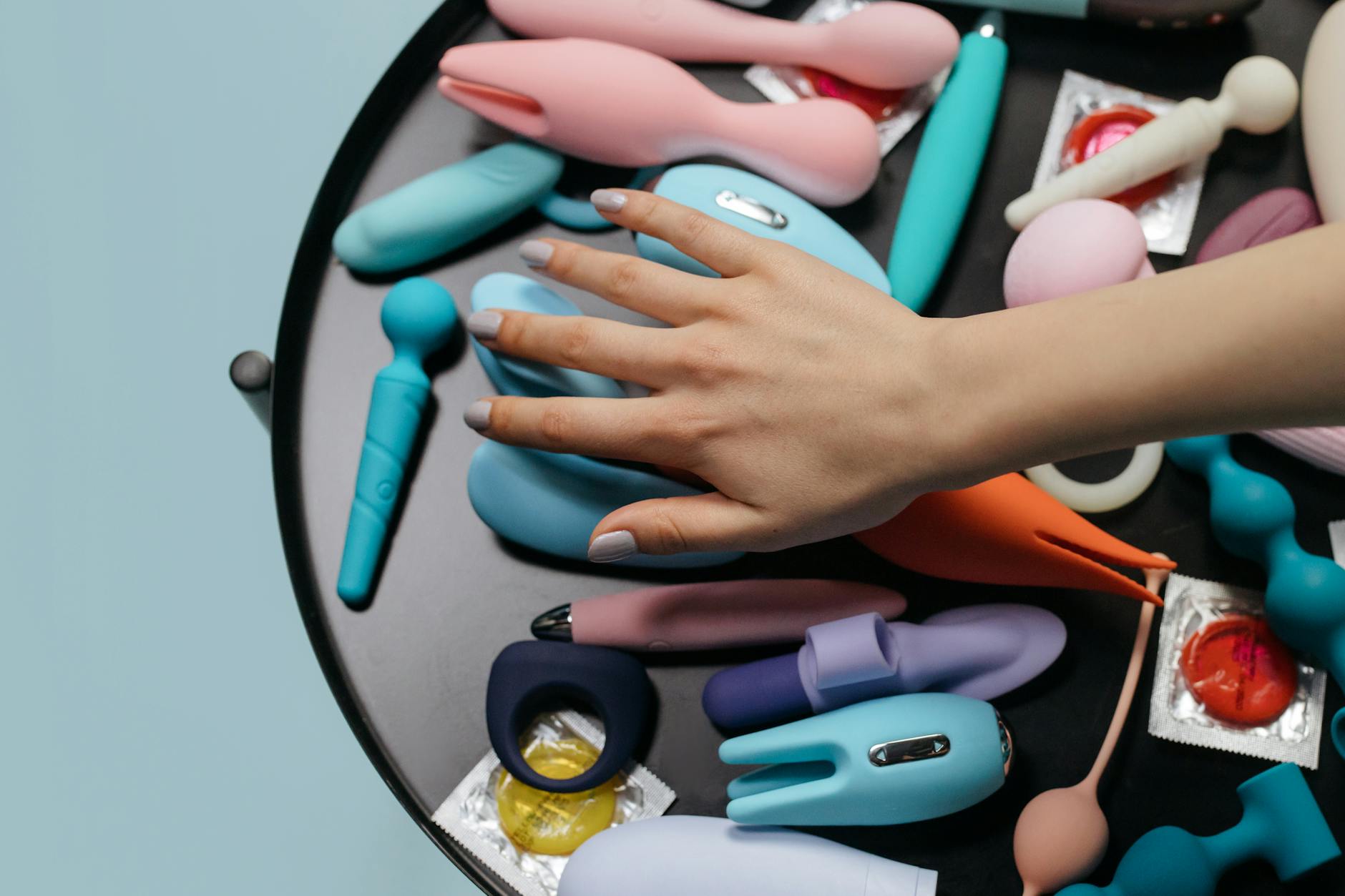
Photo by cottonbro studio on Pexels
Why traditional vibrators make sensitivity worse
This is the part that matters. Most vibrators use direct mechanical stimulation. They buzz or rumble against the clitoris with consistent pressure. For someone with normal sensitivity, this works fine. For someone with reduced sensitivity, it often backfires.
Here's why. When you can't feel a stimulus clearly, the impulse is to apply more of it. More pressure, higher frequency, longer sessions. Your nervous system adapts by tuning out even harder. You enter a cycle where sensation keeps dropping and you keep compensating with more stimulation. You're training your clitoris to be numb.
Air-suction lemon vibrators like the Lem work on an entirely different principle. Instead of vibration, they use gentle suction and release. This creates a rhythmic pressure wave that stimulates nerves differently than direct contact. For people with reduced sensitivity, this often wakes sensation back up because it's novel and because suction engages a different neural pathway.
How to restart sensitivity with air-suction tools
Three foundational shifts matter here.
Start with the lowest setting. The Lem has settings 1 through 10. People with reduced sensitivity often jump to 6 or 7, thinking they need power. You don't. Start at 1 or 2. Spend 10 to 15 minutes here across multiple sessions. Your nervous system is re-learning to feel. Rushing defeats the purpose.
Vary the pressure. Don't press the Lem firmly against your clitoris. Hover it gently. Let the suction do the work without added force. Move it in small circles. Lift it away and return to the area. This variation teaches your nerves to distinguish sensation instead of tuning it out.
Combine it with touch. Use your hand or a partner's hand on other parts of your vulva or body while using the Lem. Stroking the inner thighs, outer lips, or perineum creates competing sensations that help your nervous system focus. This isn't distraction. It's grounding. It tells your body this experience is safe and worth paying attention to.
The role of timing and emotional context
When you've lost sensation, the nervous system often needs permission to feel it again. This isn't mystical. It's about parasympathetic activation. If you're anxious about whether it's going to work, whether you'll orgasm, whether something's wrong with you, your nervous system locks down. Sensation becomes harder to access.
Setting matters. Set aside 20 to 30 minutes. Not rushing. Not multitasking. A private space where you don't expect interruption. Tell your partner (if you have one) that this is your time and it's not about them. Use a lemon vibrator solo first. This removes performance pressure and lets you focus entirely on sensation without anyone else's expectations in the room.
Going slow sounds boring but it's the opposite. Without the pressure to finish, you notice more. You feel the build instead of sprinting to the finish line. Many clients find that their best orgasms with reduced sensitivity come from sessions where they had zero deadline.
When to add more intensity or try combination play
After two to three weeks of low-setting, varied-pressure sessions, you'll probably notice something shifting. Not necessarily dramatic. Maybe your clitoris feels slightly more awake. Maybe the sensations are clearer. This is the signal to slowly experiment.
Try setting 3 or 4 for one session. Only one session. Then back to your baseline. This pattern of escalation, then return, helps your body learn the new intensity without adapting to it immediately.
Once sensation is returning more consistently, combination play works well. Using the Lem on your clitoris while penetration happens, or while your partner stimulates another area, or while you're using internal pressure against your pelvic floor. Layering sensations helps your nervous system stay engaged.
If you've been in a relationship where intimacy stalled alongside sensitivity loss, reintroducing a lemon vibrator as a couple tool can be powerful. Many partners feel relieved to have a concrete way to help. It shifts the conversation from "something's wrong with you" to "let's explore this together." That shift alone affects nerve function.
When professional support makes sense
If you've been trying for four to six weeks with low settings and varied pressure and nothing is shifting, talk to a doctor or sexual health specialist. Reduced sensitivity sometimes signals a medical issue worth investigating. Thyroid problems, pelvic floor dysfunction, nerve damage, or medication interactions can all suppress sensation.
A pelvic floor physical therapist can also help. Tension in the pelvic floor restricts blood flow and nerve signaling. Learning to release that tension often restores sensation faster than anything else. It's not something you can do with a vibrator alone.
If the sensitivity loss came with a major emotional event, breakup, or life transition, seeing a therapist trained in somatic work or sexuality can help. Your nervous system holds emotional stress as numbness. Therapy addresses that layer while you're using the Lem to address the physical layer. Both matter.
Lemon vibrators as part of the solution
Air-suction lemon vibrators work because they don't force stimulation. They invite it. They engage your nervous system differently than the vibrators that stopped working years ago. They give you a tool to restart the conversation between your brain and your body.
Sensitivity loss is reversible. Your clitoris hasn't forgotten how to feel. It's just needed a different approach. The Hello Nancy Lem and similar clitoral vibrators built on this principle have changed the game for people who thought they were stuck. You're not. You just need patience, variation, and the right tool.
People also ask
What causes reduced clitoral sensitivity as you age?
Clitoral sensitivity decreases with age primarily because of dropping estrogen levels, which reduce blood flow to genital tissue and thin the skin surrounding nerve endings. Additionally, years of consistent stimulation can cause your nervous system to adapt and stop responding as strongly. Stress and certain medications compound this. The good news is that sensitivity isn't permanently lost. It responds to novel stimulation, pelvic floor work, and stress reduction. Air-suction tools like lemon vibrators often work particularly well because they use a different mechanism than the vibrators that may have stopped working.
Can lemon vibrators help if I've been numb for years?
Yes, though it takes patience. The longer sensation has been suppressed, the longer the re-sensitization process takes. Most people notice shifts in four to eight weeks of consistent use at low settings with varied pressure. If you've been completely numb for years, check with a pelvic floor specialist or doctor first to rule out nerve damage or medical issues. Once cleared, using a lemon vibrator in combination with other approaches like pelvic floor physical therapy, stress reduction, and (if applicable) changing medications can restore significant sensation.
Should I use my lemon vibrator on higher settings to wake up my clitoris faster?
No. Higher intensity often worsens numbness because it causes your nervous system to adapt further and tune out the signal. This is the opposite of what you want. Counterintuitively, starting low and staying there for multiple sessions retrains your body to feel subtle sensation. Once your clitoris is consistently responsive to lower settings, you can slowly explore higher ones. Going slow is actually faster long-term.
Does stress actually affect clitoral sensation?
Completely. Chronic stress floods your system with cortisol, which constricts blood vessels and suppresses nerve sensitivity. It's a protective mechanism meant to shut down non-essential functions so your body can focus on survival. But in modern life, stress is ongoing rather than acute. This means your nervous system stays in shutdown mode, and your clitoris can't feel much. This is why how lemon vibrators work for anxiety relief and stress during sex is so important to understand. Reducing stress through sleep, movement, and nervous system practices makes sensation return noticeably faster.
Can medication cause clitoral numbness that reversible?
Yes, many medications suppress sensation, including SSRIs, antihistamines, blood pressure drugs, and some pain relievers. If the numbness started or worsened after starting a medication, ask your doctor about switching or adjusting the dose. Sometimes a small change makes a big difference. In the meantime, using a lemon vibrator can help maintain engagement with your body. Once the medication is adjusted, sensation often returns relatively quickly.
How is using a lemon vibrator different from using a traditional vibrator for sensitivity issues?
Traditional vibrators use direct mechanical stimulation (buzzing or rumbling), which can worsen numbness because it encourages your nervous system to adapt and tune out. Air-suction lemon vibrators use rhythmic suction instead. This engages different neural pathways and often wakes sensation back up because it's novel. For people with reduced sensitivity, this difference is often the breakthrough. Learn more about how lemon vibrators compare to traditional vibrators for pleasure to understand the full picture.
The bottom line
Reduced clitoral sensitivity isn't permanent and it's not your fault. Your body is responding to real factors. age, stress, medication, repetition. It's also responding to novel approaches. Air-suction lemon vibrators offer a different mechanism of stimulation that often restarts sensation when traditional vibrators have stopped working. Low settings, varied pressure, patient consistency, and attention to emotional context create the conditions for your nervous system to wake back up. If you're stuck, you're not broken. You just need a different strategy. Start low, stay varied, give it time.
Ready to explore this approach? Visit Hello Nancy to learn more about how a lemon vibrator might fit into your pleasure practice.