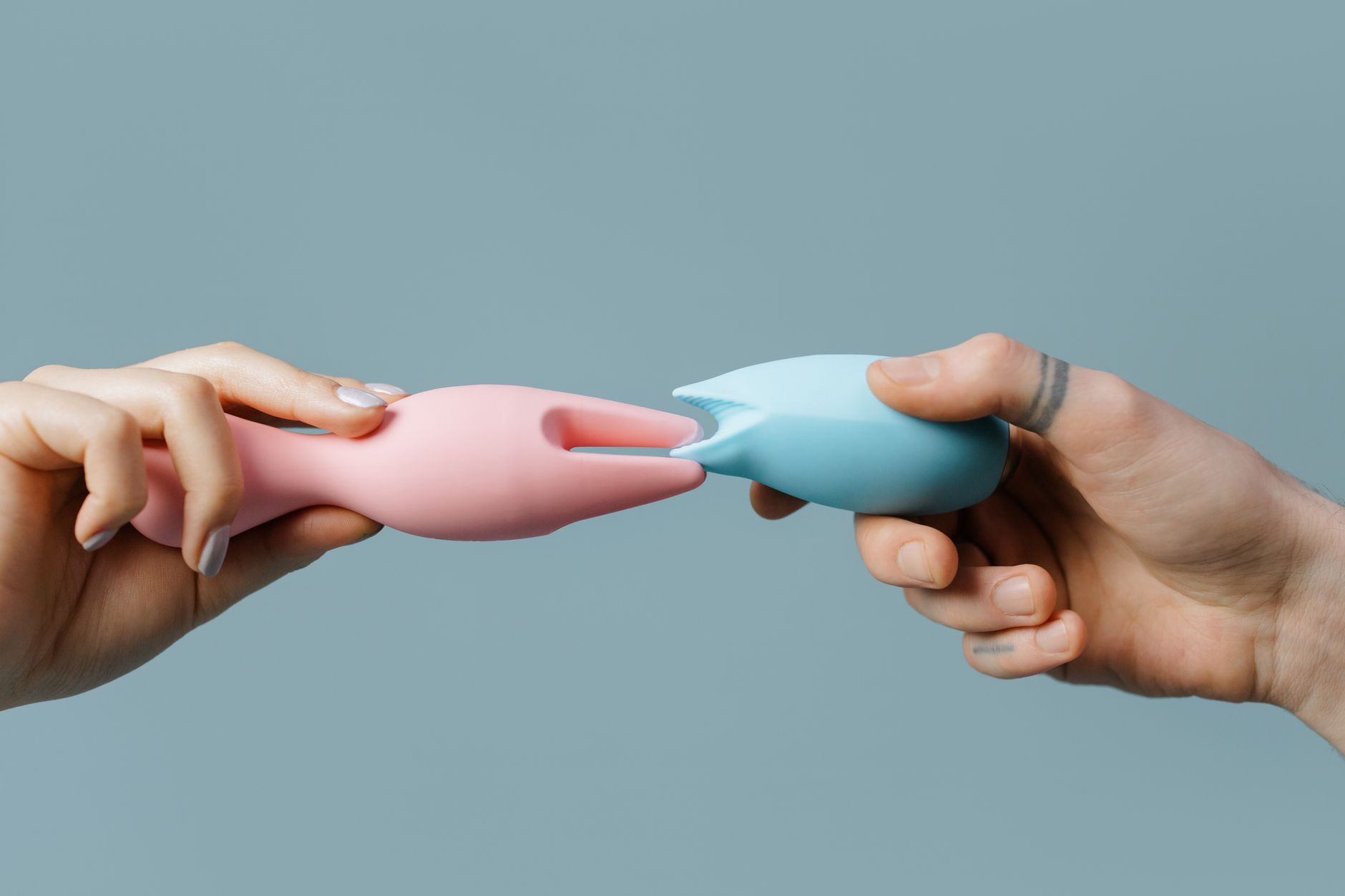
Here's the thing about new relationships and sex
The first few months feel like they're supposed to be effortless. You're attracted to each other, there's novelty, and theoretically the sex should just work. But here's what actually happens: you're both performing a little. You're monitoring how you look, wondering if you're doing the right thing, checking whether they're into it. Your nervous system is split between arousal and anxiety.
Then you add the real friction. Maybe you need a longer warm-up than you expected. Maybe arousal doesn't happen the way it does alone. Maybe you orgasm differently with a new person. And suddenly you're either faking it or avoiding sex altogether, which tanks the whole thing.
Lemon vibrators solve this by giving you a third presence in the room. Not a distraction. Permission.
Why new relationships need a different approach
When you've been with someone for years, you know their patterns. You know what works. You can relax into it. But the first 6 months with a new partner is a data-gathering phase for both of your bodies. Your arousal pattern with them might be different than with your ex or alone. Their body might respond to different touch than you're used to. Neither of you has a map yet.
Introducing a lemon vibrator early—not secretly, but openly—does something important. It shifts the dynamic from "let me perform perfectly for you" to "let's figure this out together." There's no failure state. If arousal stalls, the vibrator doesn't mean you're broken. It means you're being practical.
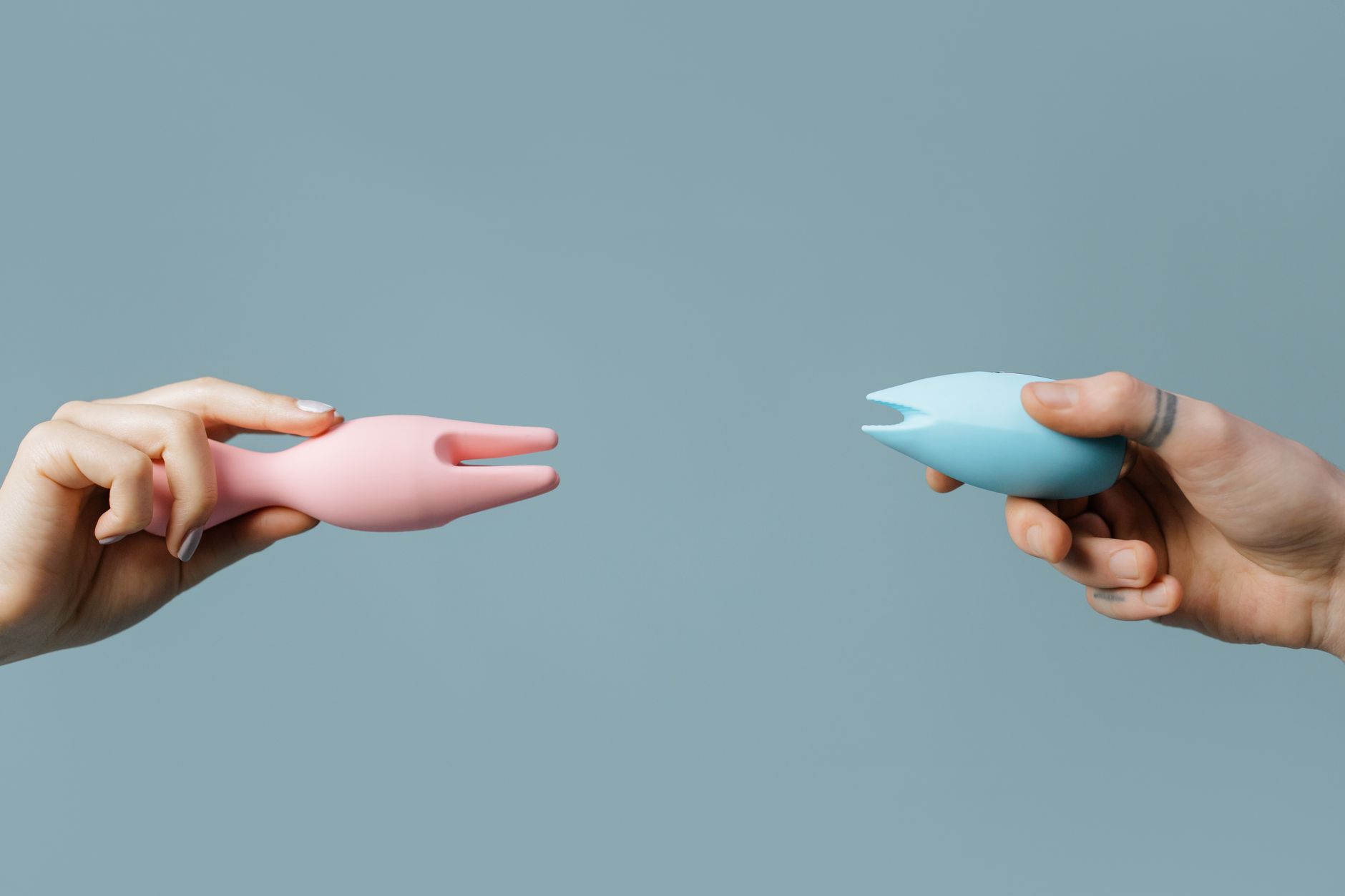
Photo by cottonbro studio on Pexels
The conversation before you bring it up
This is where most people get stuck. They think introducing a toy means their partner will feel inadequate. Usually the opposite is true. Most partners appreciate the honesty.
The setup: pick a moment that's not during sex. Not before sex. Not during the sex talk. Just a regular conversation where you say something like: "I've been using a vibrator for years and it's part of how my body works. I'd love to incorporate it with you at some point, but only if you're comfortable. I want you to know it's not about you, it's about me knowing what helps me get there."
That's it. You're naming it as your thing, not as a problem with him or her or them. You're setting a boundary that this is happening, but you're also checking for consent. If they say "I'm not sure about that," you don't argue. You say "I understand. We can take our time" and then you do. But the door is open.
Most partners say yes immediately. Some need a week to sit with it. That's fine.
How to actually introduce it the first time
Start small and solo. If you're with a partner who's still warming up to the idea, use the lemon vibrator on yourself while they're present but not required to engage. This removes the pressure that they have to perform while you're using it. They can watch, touch you elsewhere, or just be there. The point is you're desensitizing them to the object.
If they're enthusiastic from the start, you can go straight to using it together. But here's the key: don't use it as a replacement for their touch. Use it as an addition. They're still involved. They're kissing you, touching you in other places, talking to you. The vibrator is just the tool for clitoral stimulation.
Start on the lowest setting. A lemon clitoral vibrator has enough intensity that you don't need high settings early on. Let your body adjust to the sensation. If you've been using vibrators for years, you know this already. But if you're new to toys or new to this person, going slow is about building trust in your own response, not just patience.
The three things your partner needs to know
First, it doesn't mean they're not enough. This is the piece they're worried about even if they don't say it. Reassure them that your body just works differently with stimulation and sensation. That's biology, not a referendum on their skills.
Second, using the lemon vibrator together is intimate because it requires communication. You have to tell them what feels good, what doesn't, when to pause. That's closer than sex where everyone pretends everything is perfect. So ironically, using a toy can deepen connection.
Third, they can touch the vibrator, help guide it, or hold it if they want. Some partners love being hands-on with the toy. Some prefer to stay separate from it. Both are fine. This is exploratory.
The pressure release it creates
One of the biggest shifts I see when couples introduce vibrators early is that neither person is white-knuckling anymore. You're not willing yourself to orgasm on their timeline. They're not performing a specific rhythm hoping it works. There's space for discovery.
If arousal takes longer with this person than it did with your last partner, the vibrator doesn't make that failure. It makes that neutral. Your body works how it works. You can use something designed for your body's response. That's not cheating. That's partnering with your own physiology.
The other thing that happens is the conversation gets easier. Once you've said "I use this, it helps me, can we use it together," all the other vulnerable asks become simpler. "I like when you touch me here" or "I need longer foreplay" or "let's try this position" suddenly feel possible because you've already established that your pleasure matters enough to bring in outside tools.
When to expect the shift
Give it 3-4 times before you decide whether this works for you as a couple. The first time is novelty. The second is figuring out logistics. The third is when pleasure usually shows up. By the fourth, you'll both have a sense of whether this is a regular practice or something you try occasionally.
Some couples find they use lemon vibrators every time. Some use them sometimes. Some end up not using them but appreciate that the door is open. All of those are wins because there's no shame either way. You tried it. You communicated. You stayed curious about each other's bodies.
One more thing
If your partner remains uncomfortable after a few conversations and real attempts, that's information. It doesn't mean the relationship won't work. But it does mean this particular tool isn't for you together. That's okay. How to Use Lemon Vibrators When Your Partner Is Skeptical About Toys goes deeper into navigating that specific friction.
For everyone else starting fresh, bringing a lemon vibrator into your new relationship isn't rushing intimacy. It's being honest about how your body works from the beginning. That honesty builds trust. Trust builds real intimacy. The vibrator is just the permission slip.
People also ask
Should I tell my new partner I own vibrators before we have sex?
You don't have to disclose your entire toy drawer on the first date. But if you're about to have sex with someone, yes. A simple "I use vibrators and I'd like to bring one into our sex at some point" is enough. It removes surprise and gives them time to sit with it. Most partners appreciate the heads-up.
What if my new partner thinks vibrators mean I'm not satisfied with them?
That's the fear, but it's usually not true. Frame it as a tool for your body, not a judgment of theirs. You might say something like: "I've always used vibrators because clitoral stimulation helps me get there. That has nothing to do with how I feel about you. I want you involved in my pleasure, and using this tool lets me actually enjoy our sex together instead of worrying about whether I'll orgasm." That reframe usually lands.
How long should we wait before using a vibrator together?
There's no magic number. Some couples use them the first month. Some wait until they're more comfortable. The key is that both people have said yes and neither is doing it resentfully. If you're waiting for permission, ask. If you're waiting for them to feel ready, check in after a few weeks. Don't let this sit in "someday maybe" territory for years.
Can using a lemon vibrator too early ruin the natural connection?
No. If anything, it builds connection because you're being honest about how your body works. The myth that good sex requires zero tools or communication is what actually ruins new relationships. You're showing your partner that pleasure is worth having, worth talking about, and worth getting practical about. That's the opposite of ruining connection.
What if I don't know how to use the vibrator with someone else watching?
Start by using it alone a few times first. Know where the sweet spot is on your body. Know which setting works. Know what you like. Then when you introduce it with a partner, you're not figuring it out for the first time under pressure. You're just translating something you already know into a shared experience. That takes way less courage.
Should my partner use it on me or should I use it on myself?
Both work. Some people love the control of doing it themselves. Some love the sensation of their partner holding it or guiding it. Some people switch. The easiest move for a new couple is to start with you controlling it, then explore other ways as you get more comfortable. There's no wrong way here.