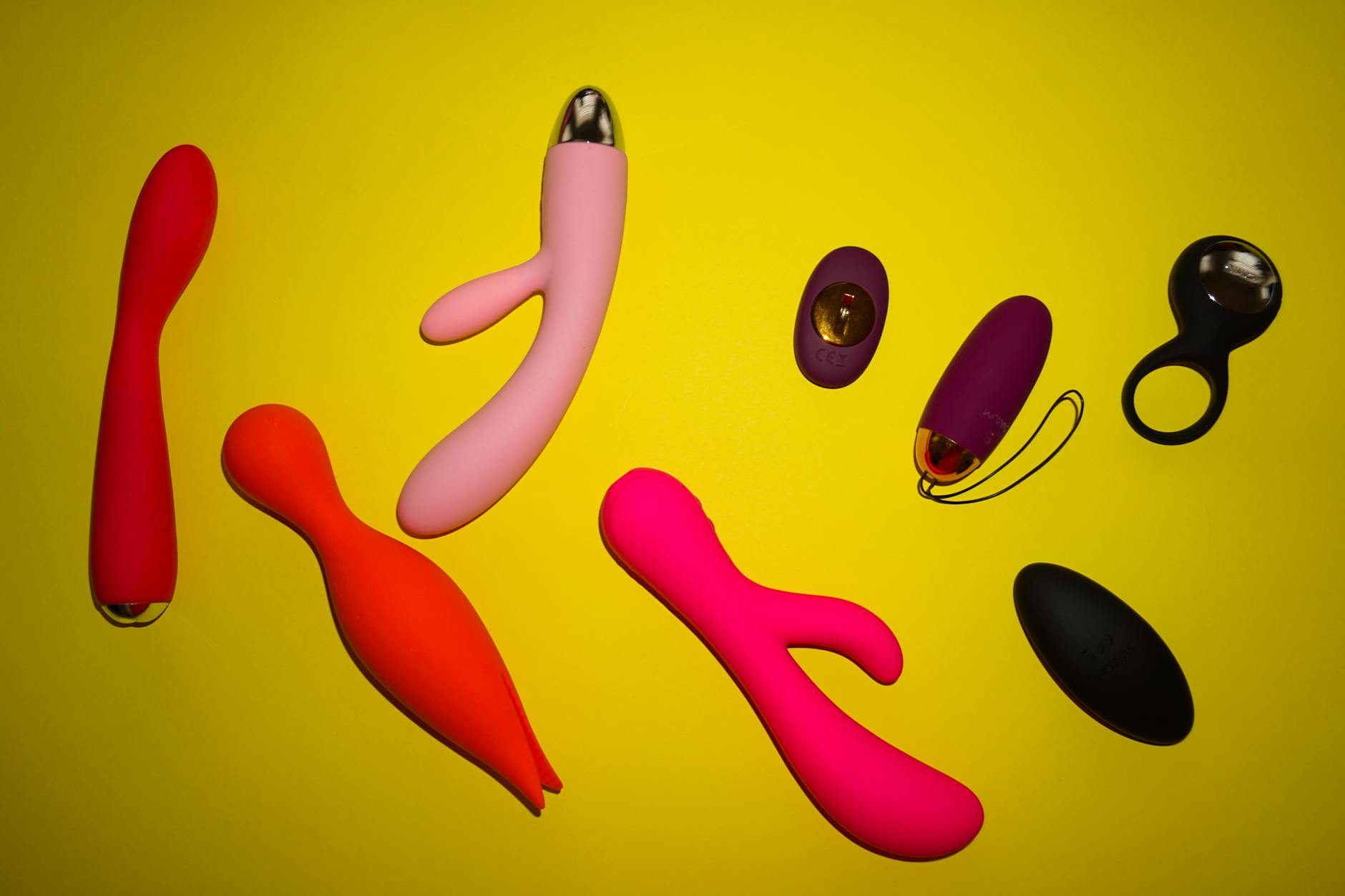
Let's talk about the mismatch that nobody wants to say out loud
One of you wants sex three times a week. The other one is thinking maybe twice a month, and even then, only if the planets align and nobody's tired. This is one of the most common relationship friction points I see, and it's also the one couples get most stuck on because the conversation becomes about blame instead of solution.
Here's the thing: desire mismatch isn't a character flaw in either person. It's a math problem with more than two variables.
Why lemon vibrators actually solve this differently
Let me be specific about what I mean. The Lemon clitoral vibrator and other air-suction toys work well here because they address the actual friction point: time to pleasure. When your arousal is slower to build, a partner-focused rhythm often means you're on a clock that doesn't match your body's pace. You're mentally tracking "how long is this taking" instead of actually feeling. That kills everything.
Clitoral vibrators compress the arousal curve. Not because you're broken if you need them, but because stimulation of the clitoral glans bypasses a lot of the foreplay ramp-up that takes longer when you're starting from lower baseline desire. You get to actual sensation faster, which means you're more present, more responsive, and more likely to want it again.
Your partner also gets what they need: they're not waiting for you to catch up while feeling rejected. You're showing up with intention, not obligation.
The conversation that has to happen first
Before you bring any toy into the equation, you need one clear talk with your partner. Not during sex. Not in the middle of an argument. A real conversation where you say something like: "My desire works on a different timeline than yours, and that's not something I can force. But I want us to have good sex together. Can we figure out what that looks like?"
Then listen. Often your partner isn't actually demanding daily sex. They're worried that lower desire means you're not attracted to them, or that the relationship is dying. That's a different problem to solve, and it doesn't get solved by you gritting your teeth through unwanted sex.
Clarity about the actual issue matters before you introduce solutions.
How to use lemon vibrators with this specific dynamic
Three scenarios, three approaches:
Scenario one: You initiate less often, and they're okay with that, but when you do, you want sex to feel good. This is the easiest setup. You use a Lemon vibrator as part of solo play or partnered foreplay. It takes your arousal from "hmm, maybe" to "yes, actually" in about five minutes. Your partner sees that you're genuinely interested, not compliant. The whole experience shifts.
Scenario two: They initiate more often than you want, and you're trying to meet them partway. This one's trickier because it requires you to be honest about your actual capacity. If you're saying yes to sex three times a week when you actually want it once, you're building resentment and numbness. Don't do that. Instead, suggest two times a week, and when you do have sex, incorporate the vibrator so that your pleasure is the priority, not the speed. Make those two times genuinely good. Your partner will prefer that to frequent sex where you're mentally absent.
Scenario three: You're in the middle of a libido mismatch conversation and don't have words yet. Introduce the vibrator as neutral exploration, not as a workaround. "I want to understand my own pleasure better. Will you explore this with me?" That frames it as self-knowledge, not as a tool to make sex faster or easier. Sometimes understanding your own body helps clarify what your actual desire looks like.
The technical stuff that matters
If you're using lemon vibrators with a partner when you have lower baseline desire, here are the setup details that change everything:
Start with the vibrator during foreplay, not during penetration (if penetration is on the agenda). Your clitoris needs consistent, focused attention. If you're trying to juggle partnered stimulation plus vibration, you're splitting your attention. Let the vibrator do the clitoral work for five to ten minutes while your partner uses their hands or mouth elsewhere. Then add other sensations once you're genuinely aroused.
Keep the intensity moderate. If you're starting from lower desire, an aggressive vibration pattern can feel overwhelming rather than pleasurable. Most people in this situation do better with steady, moderate suction or vibration that they can actually focus on.
Talk about how long you need. If you typically take twenty minutes to get fully aroused but your partner's used to ten, name that. "I'm going to need about fifteen minutes of real attention today." That's not a negotiation. That's information your partner can work with.
What this actually fixes
The underlying issue in mismatched desire isn't the frequency. It's the feeling that one person's pleasure matters less. When you use a lemon vibrator intentionally in partnered sex, you're saying: "My orgasm is worth the time it takes. My pleasure is not secondary." Your partner gets to see you actually enjoying sex instead of tolerating it. That changes the entire dynamic.
I've seen couples who felt trapped in desire mismatch suddenly find their way again once they introduced tools that made pleasure more mutual and less scheduled. The sex doesn't happen more often. But when it does, both people actually want it.
That's the win.
FAQ: Desire Mismatch and Clitoral Vibrators
How do I bring up using a lemon vibrator without making my partner think I'm not attracted to them?
Frame it as self-knowledge, not a problem with them. "I want to understand my body better and have better orgasms. I'd love for you to be part of that." Attraction and pleasure are different systems. You can be attracted to someone and still need different stimulation to get aroused. Your partner is less likely to feel rejected if you make clear you want them involved in the exploration.
My partner wants sex way more often than I do. Will a vibrator make me want it more?
Not necessarily, and that's not the goal. Clitoral vibrators make sex more pleasurable when you do want it, not more frequent. If you're using one to say yes to sex more often than feels authentic, you're still abandoning your actual desire. The tool works best when you're using it to make wanted sex better, not to perform sex you don't actually want.
Is it weird if I use the vibrator and my partner doesn't touch me?
Not even slightly. Some people worry that using a toy means their partner isn't enough. In reality, dual stimulation (your partner stimulating one area while the vibrator handles another) often works better than anything one person can do alone. If you want to use the vibrator solo during sex, that's fine too. Your pleasure is the point.
What if my partner feels insecure about the vibrator?
Go back to the conversation. "This isn't about you. It's about me understanding what feels good." Then show them. Let them see you actually enjoying yourself. Insecurity usually comes from fear that the vibrator means they're not enough. Pleasure is a team sport. The vibrator isn't replacing them. It's helping you show up more fully.
How long should I use the vibrator before switching to other stimulation?
There's no rule. Some people use it for five minutes to get aroused, then switch to partnered touch. Others use it throughout. Pay attention to what feels good that day. Your body's needs change. Some sessions you need longer clitoral focus. Other times you're ready to transition faster. There's no wrong answer, only what works right now.
Can we use a lemon vibrator if my partner and I have really different tempos?
Absolutely. This is actually where clitoral vibrators shine in mismatched-desire relationships. You get to your arousal in your timeline. Your partner gets to participate without waiting or feeling rejected. Lemon vibrators and other quality toys give you both agency instead of forcing one person to adapt to the other's pace.
The real outcome
Desire mismatch feels impossible from the inside. One person feels rejected. The other feels pressured. Both feel like something's broken. But most of the time, what's actually broken is just the communication and the assumption that pleasure has to look the same for both of you.
Clitoral vibrators don't fix desire mismatch. They create space for it to exist without creating resentment. When your pleasure is efficient and genuine, your partner feels wanted instead of like they're convincing someone to have sex. When your partner understands your arousal timeline, you don't have to perform enthusiasm you don't feel.
That's the conversation worth having. The vibrator is just the tool that makes it possible.
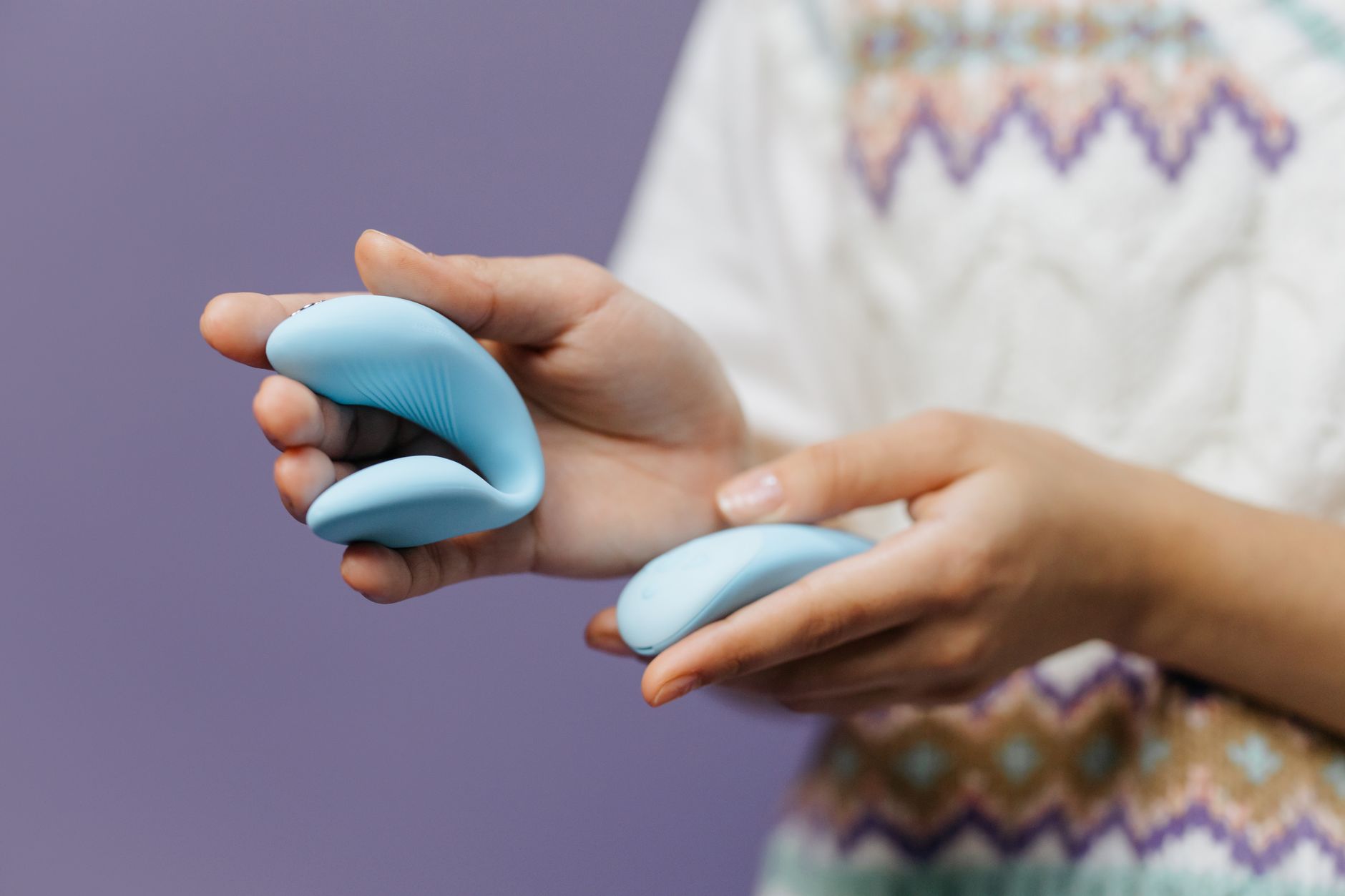
Photo by cottonbro studio on Pexels