
Let's talk about the postpartum body honestly
Postpartum sex gets talked about in exactly two modes. Either it's a clinical checklist of what's "cleared" at six weeks, or it's glossed over entirely as though pleasure doesn't exist until some magical moment when you've "healed." Both miss what's actually happening: your body is genuinely different, healing is uneven, and desire doesn't follow a timeline.
I work with a lot of couples navigating this transition. The ones who rebuild intimacy successfully aren't waiting for permission. They're understanding what's real, adjusting expectations, and using tools like lemon vibrators to reconnect on realistic terms.
What postpartum actually does to sensation
Let's start with tissue. If you delivered vaginally, the pelvic floor has microtears, inflammation, and needs real healing time. Even cesarean birth shifts everything. The nerves are intact, but swelling dulls sensation for weeks or months. Breastfeeding tanks estrogen, which means tissue is thinner and drier than usual. Exhaustion rewires your brain's arousal response. Sleep deprivation literally reduces clitoral sensitivity.
Here's what this means in practice: direct stimulation might feel numb or even uncomfortable early on. That numbness is temporary. Your clitoris hasn't lost sensation. It's just muted under inflammation and hormonal shift.
Air-suction technology matters here in specific ways. Clitoral vibrators that use suction patterns instead of direct vibration don't pressure healing tissue. They stimulate the nerve cluster without the mechanical friction that can feel too intense or even irritating on postpartum skin.
The four-stage pathway back to pleasure
Stage One: Weeks 2-4. Permission without expectation.
Doctors clear sex around six weeks, but your body isn't on their timeline. Early exploration isn't about arousal yet. It's about reacquainting yourself with sensation on your terms. Solo touch is lower pressure than partnered sex. Use a lemon vibrator on the lowest setting in short sessions, five to ten minutes. Don't aim for orgasm. Notice what feels good, what feels neutral, what feels uncomfortable. That information is valuable.
**Stage Two: Weeks 5-8. Building warmth.
As inflammation settles, sensation deepens. Arousal might still take longer than before. That's normal. Budget twenty to thirty minutes for yourself. Start with the Lemon on pattern one or two, gradually exploring patterns as you go. Water-based lubricant is non-negotiable here. Even if you never needed it before, postpartum tissue benefits from it.
**Stage Three: Weeks 9-16. Reconnecting with a partner.
If you have a partner, this is when you're adding them back into the equation. Not yet expecting shared orgasm or lengthy sessions. Early postpartum partnered sex is often best as intimate touch without pressure for climax. A vibrator can be part of foreplay, not the main event. Let your partner be present while you use it, or use it together before moving to other kinds of contact.
**Stage Four: Month 4 onward. Rediscovering your rhythm.
By sixteen weeks, most people are physically cleared for anything. Emotionally and energetically is a different story. You might find your arousal pattern has shifted. You might need longer warm-up than before. You might orgasm more easily than ever because you're more present, or you might feel completely flat because you're still running on fumes. All of these are normal.
The mental shift that matters most
Your body did something extraordinary. It grew a human and brought them into the world. That experience rewires how you experience pleasure. Not always in hard ways. Sometimes in expansive ones.
Many people I work with report that postpartum sex eventually feels more connected than it did before. Not because their body recovered completely. Because they had to rebuild it intentionally. Because they understand their partner's body differently after witnessing physical transformation. Because they got permission to slow down.
But getting there requires releasing the fantasy of "bouncing back." You're not bouncing back to who you were before. You're building forward into who you're becoming.
That reframe changes everything. It makes a lemon vibrator feel less like a bypass around problems and more like a tool for a new chapter.
What to do about partner disconnect
One person's ready to resume sex. The other isn't. This is the postpartum dynamic I see most often.
The person wanting to resume assumes something's broken. The person not ready assumes they're broken. Neither is true. Your partner might have fear about hurting you. You might have physical discomfort they don't know about. You might both be exhausted and confusing that with lost desire.
Separate three conversations that usually tangle together: healing timeline, sexual desire, and emotional intimacy. "My body is healing slower than expected" is different from "I'm not ready for sex with you" is different from "I feel disconnected from you."
Clitoral vibrators can actually help here. Using one alone, or with your partner present but not involved, gives you a way to rebuild your own arousal response independent of pressure to perform or fear of hurting. Your partner gets to watch you reconnect with pleasure without having to make it happen.
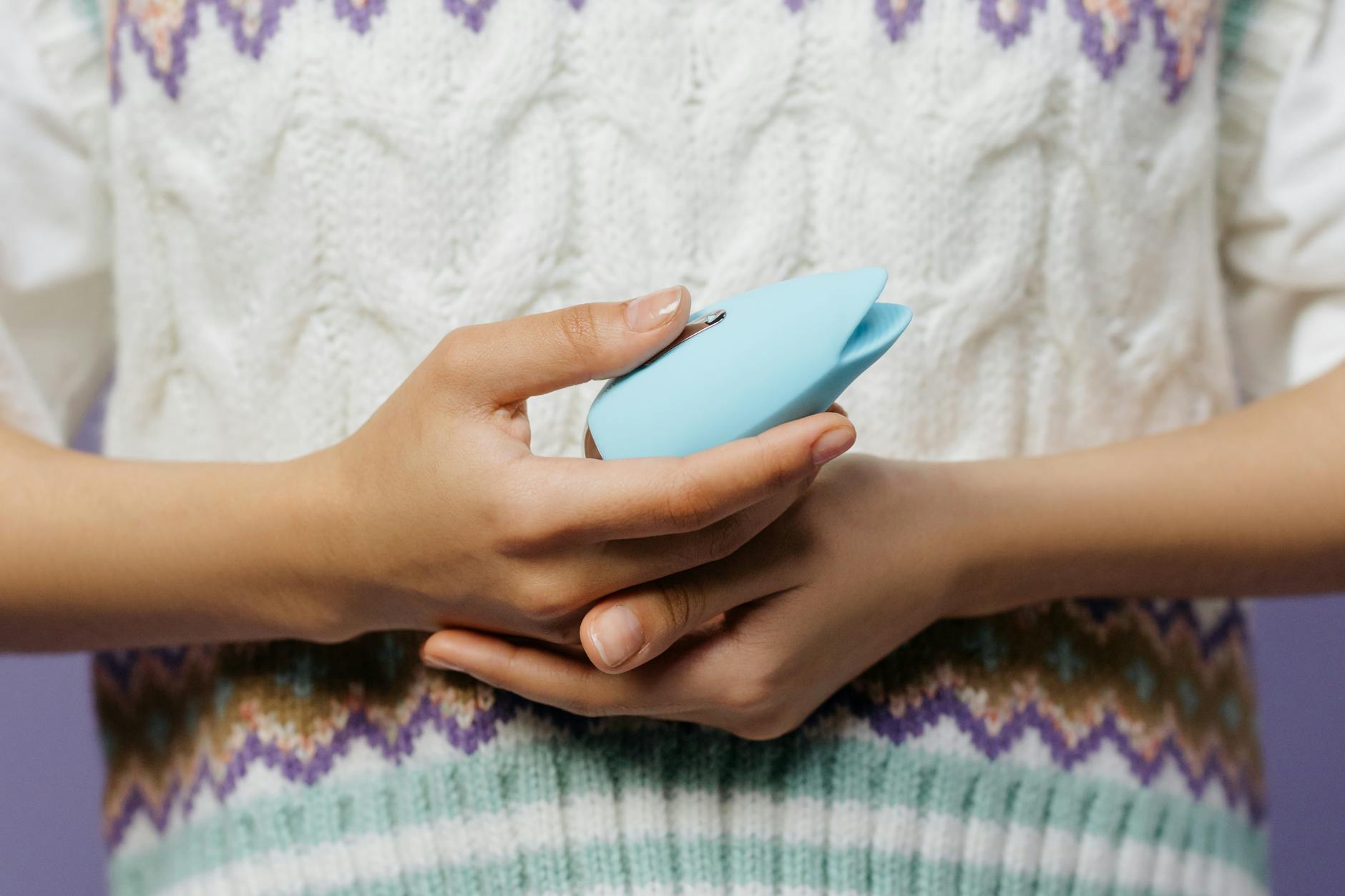
Photo by cottonbro studio on Pexels
When to get medical help
Pain during or after sex that doesn't ease by twelve weeks needs attention. Postpartum pelvic floor dysfunction is real and common. A pelvic floor physical therapist can make an enormous difference. They teach you how to relax tissue that's clenched protectively, address scar tissue, and rebuild the coordination your pelvic floor needs for pleasure and orgasm.
Low desire that persists past six months might point to postpartum depression or anxiety, which are medical, not character flaws. Get screened.
Physical pain, numbness, or a feeling that sensation hasn't returned after four months warrants a conversation with your OB. Rarely, postpartum nerve issues need targeted intervention.
Most postpartum sexual recovery sorts itself out with time, patience, and tools like lemon vibrators. Some people need more support. That's not failure. That's good judgment.
The slow-burn approach that actually works
Forget recovered. Forget normal. Forget any timeline except the one your body is actually on.
Start with solo exploration on the lowest setting. Let sensation build gradually over weeks. Add your partner in when you're ready, without expectation. Use lemon vibrators not as a workaround but as part of rebuilding something better than what existed before.
Postpartum is hard. Rebuilding pleasure doesn't have to be.
FAQ: Postpartum pleasure and lemon vibrators
When is it actually safe to use a vibrator after giving birth?
Six weeks is the medical green light, but your body is the real authority. Most people feel ready to explore solo pleasure around four to five weeks, when bleeding has lightened and acute soreness eases. Start gently. If anything feels sharp or intensely uncomfortable, wait longer. Pain is information, not stubbornness.
Can I use a lemon vibrator if I had tearing or stitches?
Yes, but wait longer. Tearing means tissue needs more time to remodel. I usually suggest eight to twelve weeks minimum before any external stimulation. When you do start, use it externally only, on the lowest pattern, for short sessions. Water-based lubricant is essential. If you feel pulling or burning, stop and wait another few weeks.
Will using a vibrator slow down my pelvic floor healing?
No. Gentle stimulation doesn't interfere with healing. What does interfere is returning to intense partnered sex before tissue is ready, or doing aggressive pelvic floor exercises too early. A lemon vibrator used mindfully on low settings is gentler than most forms of partnered intimacy.
My libido completely disappeared postpartum. Will it come back?
Most likely, yes. But not on a fixed timeline. Breastfeeding suppresses estrogen, which tanks desire in many people. Sleep deprivation kills arousal. Hormonal shifts from pregnancy take a year or longer to fully resolve. Touching yourself with a vibrator early on can rebuild your arousal response independent of all that noise. You're not trying to force desire. You're reminding your nervous system that pleasure is possible.
Is it normal that orgasm feels different than it did before pregnancy?
Completely normal. Orgasm might feel more concentrated, less intense, easier, harder, or qualitatively different in ways you can't quite name. Your pelvic floor has remodeled. Your nervous system has been through something major. Your brain has literally reorganized around motherhood. Of course orgasm feels different. Often, people find it eventually feels better, or at least more integrated with who they've become.
Can my partner and I use a lemon vibrator together during postpartum sex?
Yes, and it can actually reduce pressure. Your partner isn't responsible for your arousal or orgasm. A vibrator lets them be present and intimate without having to perform. You get to focus on sensation instead of managing their expectations. Start with low settings and plenty of lubricant. Make it collaborative, not something being done to you. The goal is connection, not completion.
What comes next
Postpartum recovery isn't about getting back. It's about moving forward into a version of pleasure that fits your new life. That takes patience, tools that work with your healing body, and permission to go slow.
If you're navigating this, you're not broken. Your timeline is right. Your body is healing. Pleasure will return, probably in ways that surprise you.
Want support rebuilding intimacy with a partner during this transition? Reach out to our team at Get Lemon Adult Toys. We're here to help.