Here's what nobody tells you about slower arousal
Arousal doesn't work like a light switch anymore. If it used to, that is. For many people, the path from zero to ready has gotten longer, quieter, and more complicated. And instead of treating that as useful information, most of us treat it as a failure.
It's not. Slower arousal is one of the most common and most fixable friction points in pleasure. The problem isn't your body. The problem is usually that nothing in your routine was designed for this new timeline.
I work with couples and individuals all the time who describe this shift as losing something. What they've actually done is move into a different phase of sexuality that requires different tools, different timing, and honestly, a different mindset. Once you stop fighting the slower buildup and start working with it, pleasure often becomes more reliable and more intense than it was before.
Why arousal takes longer now
There are three main culprits, and usually it's a combination:
Hormonal shifts. Estrogen and testosterone both affect how quickly your nervous system primes for pleasure. Lower levels mean the cascade takes longer to start. This isn't permanent or unfixable. It's just slower.
Mental load. Stress, relationship fatigue, work, aging parents, your own aging body. The brain is the biggest sex organ, and if it's occupied elsewhere, arousal can't get airtime. This one you can actually control.
Neurological changes. Your nerve endings haven't gone anywhere, but the signals they send take a different route now. Direct clitoral stimulation used to spark instant response. Now it might need a longer warm-up phase, or a different type of touch entirely, to create that chain reaction in your nervous system.
None of these mean you can't have strong, satisfying orgasms. They mean you need a strategy.
How longer arousal cycles actually work better with suction
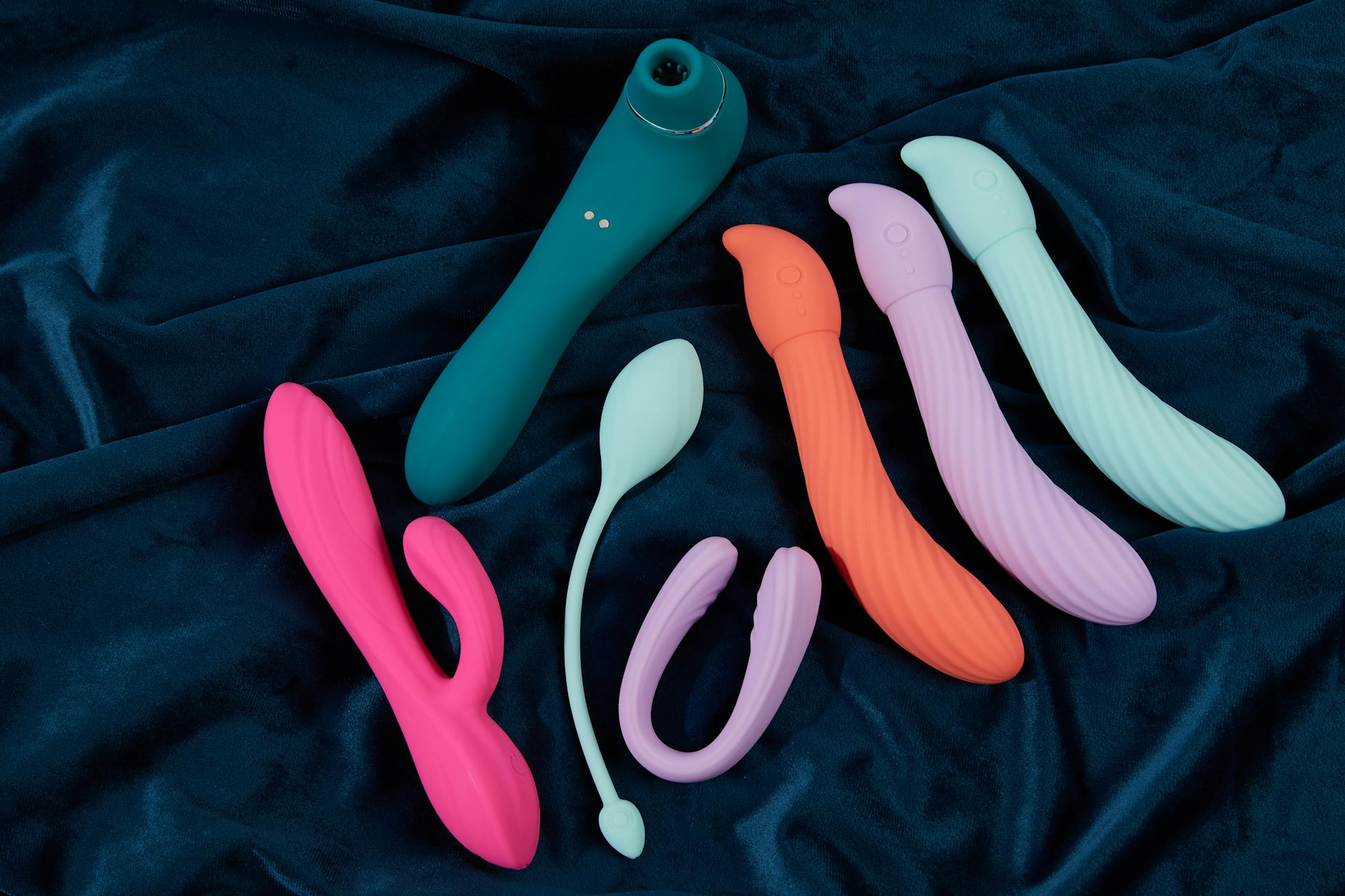
Here's where lemon vibrators make a real difference. Traditional vibrators rely on speed and friction to build intensity fast. For slower arousal, you need something that builds sensation gradually and doesn't demand your body to perform on a timer.
Lemon vibrators, including the Lem, use suction and pulsing patterns rather than direct vibration. This means several things for your longer arousal window.
First, suction activates a broader neural network around the clitoris, not just the tip. This creates a more diffuse, building sensation rather than a sharp spike. You can stay in that pleasure plateau longer without hitting overstimulation.
Second, you can start at pattern 1 or 2 and literally spend 20 minutes in a slow buildup without it feeling like you're stalled. With traditional vibrators, low intensity for that long often feels pointless. With suction, it feels like progress.
Third, the sensations change with your arousal. As blood flow increases and tissue swells slightly, the same setting feels different. You're not chasing intensity. You're letting it accumulate.
The extended foreplay strategy that actually works
Forgot everything you thought you knew about foreplay being the boring warm-up. When arousal takes longer, extended foreplay isn't a problem to solve. It's the actual event.
Here's the structure I recommend:
Phase 1: Mental priming (10-15 minutes before physical touch). This is where the work happens. Read something that turns you on. Watch something. Fantasize. Let your brain activate your nervous system first. This sounds silly, but it cuts the physical warm-up time dramatically because you're already halfway there.
Phase 2: Non-genital touch (10-15 minutes). Neck, breasts, inner thighs, behind your ears. Anywhere with nerve endings except where you want the orgasm. This directs blood flow to the pelvic region without rushing toward the finish line. It's permission to be slow.
Phase 3: Clitoral introduction (5-10 minutes). This is where your lemon clitoral vibrator comes in. Start at a low pattern. You're not looking for intensity yet. You're looking for sensation. Let your body recognize what's happening. If you have a partner, this is where they can watch, touch other parts of you, talk to you. Stay here until you feel genuine arousal building, not just physical sensation.
Phase 4: Intensity climb (10-20 minutes). Now you can move up patterns. Lemon vibrators have distinct settings that let you progress gradually. Most people find that patterns 3 through 5 span a long, useful range that doesn't feel like jumping from nothing to overwhelming.
The whole thing takes 40 minutes to an hour. That sounds long until you realize it produces orgasms that are often stronger and more full-body than the rushed five-minute version ever did.
Fixing the timing mismatch with a partner
Here's where things get awkward for a lot of couples. One person is ready to go in five minutes. The other needs 30. In most relationships, this becomes a source of resentment or an unspoken compromise where both people settle for less pleasure.
If you're the one with slower arousal, the solution isn't to rush yourself. It's to make your arousal time work for both of you.
Try this: Start your arousal cycle alone. Use your lemon vibrator for 15-20 minutes while your partner does something else. Read, makes tea, sits nearby on their phone. No performance, no pressure. Then when you're actually aroused (not just willing), invite them in. Now they're not waiting for you to catch up. They're joining you already in progress.
For some couples, this means separate sessions. You get yours. They get theirs. That's not less intimate. It's actually more honest. You both get what you need.
For others, it means splitting the foreplay. They do their thing for 10 minutes while you're doing yours. Then you come together. The key is naming it. "I need 20 minutes to get there" isn't failure. It's information. It lets your partner stop interpreting your slower arousal as rejection and start seeing it as a different path to the same place.
When to use your lemon vibrator in the cycle
Timing matters more than intensity when arousal is slow. Here's when to bring it in:
Not at the beginning. If you use it when you're barely aroused, it can feel good but non-directional. You're just enjoying sensation without building toward anything.
At the midpoint. Once you've done 15-20 minutes of mental and non-genital warm-up, your body is primed. Now a lemon clitoral vibrator creates clear progression. Each pattern feels like a step, not a jolt.
For as long as you need. One of the best parts of slower arousal cycles is they give you permission to stay in pleasure. With your lemon vibrator, you can spend 30 minutes in patterns 3 and 4 without overstimulation. This extended plateau often leads to deeper, more complex orgasms than quick buildup.
In combination with other touch. If you have a partner, this is where they're most useful. You're on pattern 3 or 4. They're kissing your neck, your collarbone, maybe inside your thighs. The combination of touch types creates more neural pathways lighting up at once. You get depth that solo vibration alone won't create.
Why patience with your arousal actually speeds up pleasure
This is the counterintuitive part that changes everything. When you stop fighting slower arousal and start designing your whole session around it, orgasms come faster than when you were rushing the buildup.
Why? Because your nervous system isn't confused. You're not asking your body to do something it's not ready for. You're meeting it where it is, giving it time to activate fully, and then asking it to peak. That's a conversation your body actually wants to have.
Most people who shift to this approach report that their orgasms feel stronger, last longer, and happen more reliably. Not because their body changed. Because they stopped trying to force it into a timeline it doesn't fit anymore.
People also ask
How much longer is "normal" for arousal to take? If you used to get there in 5 minutes and now it's 20 or 30, that's completely normal. Some people see shifts of 10-15 minutes. The range is wide because it depends on hormones, stress, relationship health, and sometimes medication. There's no single "should."
Can using a lemon vibrator too early actually make arousal slower? Yes. If you start with intensity before your body is ready, it can trigger desensitization. You need sensation building gradually. That's why pattern 1 and 2 are actually your most important settings, not just stepping stones to the "real" patterns.
Does slower arousal mean I need more lubrication? Usually yes. Even if you're not getting as wet as you used to, your body is still producing lubrication during arousal. It's just taking longer to build. A good water-based lube helps your lemon vibrator make contact more smoothly and reduces friction that can interrupt the buildup.
What if I'm slower now but my partner hasn't changed? This is the most common setup. One option is separate sessions. Another is expanding what sex means. Maybe he goes first while you warm up. Maybe you use your lemon vibrator together but not simultaneously. The goal is to stop treating his arousal speed as the baseline and your slower speed as a problem.
Is slower arousal permanent, or does it shift? It depends. If it's stress, sometimes you address the stress and things speed back up. If it's hormonal, it usually stabilizes at a new baseline, but that doesn't mean it can't shift again with time. If it's relationship stuff, rebuilding connection can absolutely speed up arousal. There's usually more flexibility here than people think.
Can I actually orgasm with slower arousal, or am I just building to disappointment? You can absolutely orgasm. In fact, most people find that longer buildup leads to more reliable, more intense orgasms. Your body isn't broken. It's just operating on a different timeline now. Once you align your expectations with that timeline, pleasure usually comes through.
Slower arousal isn't a problem to fix. It's a rhythm to learn. Once you do, you often find that this phase of your sexuality is richer than the one before it. Your lemon vibrator isn't there to speed things up. It's there to help you build pleasure at the pace your body actually wants. That distinction changes everything.
If you want to explore more about navigating these shifts in your pleasure, reach out to Hello Nancy. We're here to help you figure out what actually works for your body right now.