Let's start with what nobody tells you
After a relationship ends, pleasure gets weird. Your body feels like a rented room you used to know. You might feel guilty about wanting pleasure at all. You might not want it yet. You might want it fiercely and then feel ashamed about that wanting. All of this is completely normal, and none of it means you're broken.
Here's what I know after years of working with people navigating this exact territory. Solo pleasure is not a consolation prize. It's how you remember yourself. And tools like lemon vibrators make that reconnection simpler, because they're designed to work with your body's actual neurology, not against it.
Why pleasure feels complicated right now
When you've shared intimacy with someone, your nervous system learns their rhythm. Your body begins to anticipate certain touches, certain timing, certain patterns. When that person is suddenly gone, your nervous system is still waiting for them. That waiting creates a gap between your solo touch and what your body used to receive as "real" pleasure.
This is not a failure. It's just your nervous system doing its job.
There's also the emotional layer. If the relationship ended painfully, pleasure might feel like a betrayal of the grief you're supposed to be feeling. If you ended it, there's sometimes guilt attached to any pleasure that doesn't include them. And if the breakup involved infidelity or betrayal, pleasure can feel dangerous or triggering.
The third piece is simpler and less discussed. Most partnered sex involves some form of performance. You're calibrating to someone else's pace, someone else's preferences, someone else's body. When that external compass disappears, you have to find your own again. That's unfamiliar work.
Why lemon vibrators help specifically
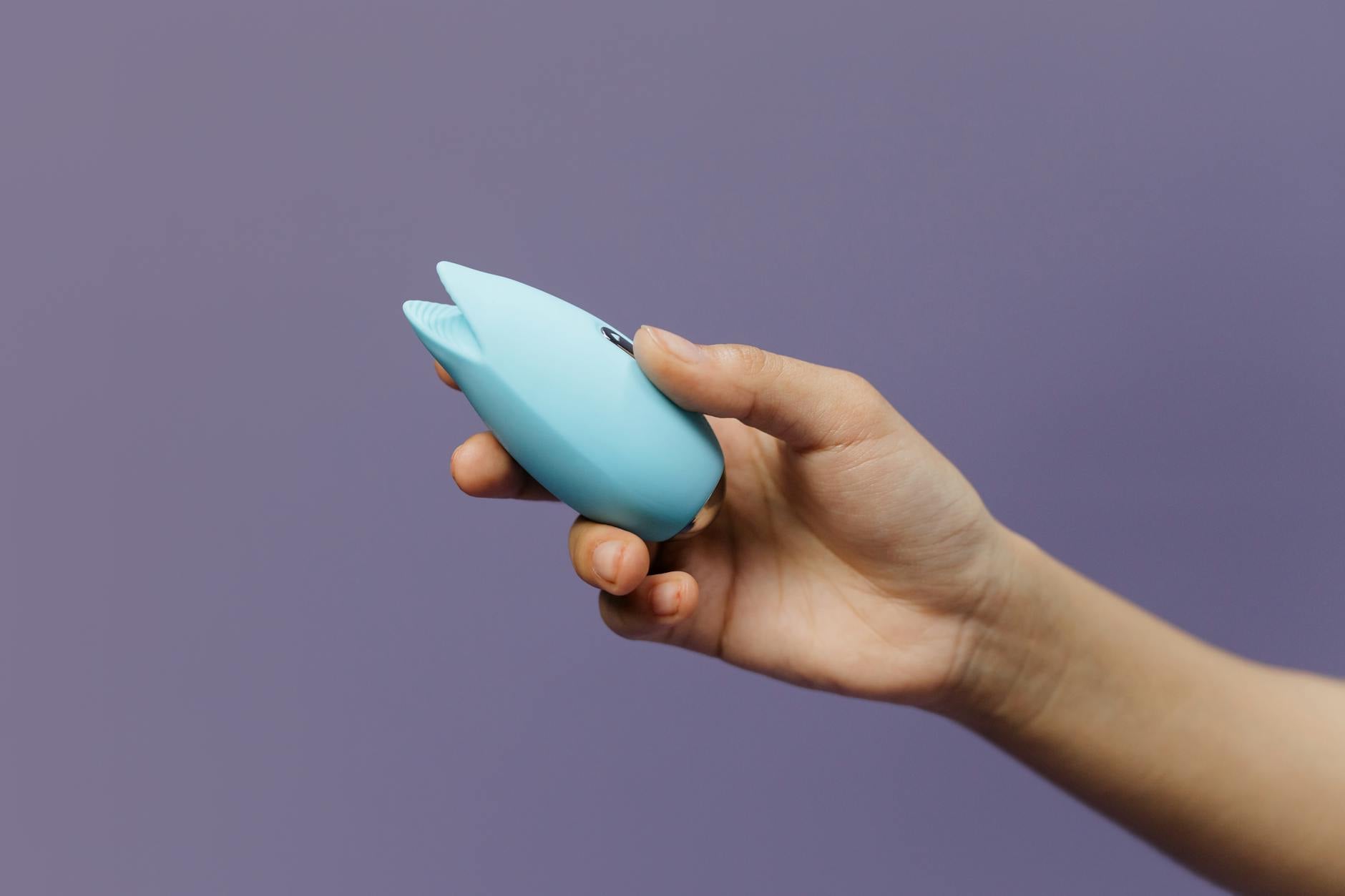
Lemon clitoral vibrators work through suction stimulation rather than direct vibration. That matters here because suction has a different quality than friction. It feels less like "being done to" and more like "being held."
After a relationship, that distinction is real. Direct vibration can sometimes feel too intense or too reminiscent of partnered sex. Suction feels gentler and more exploratory. You're learning your own sensitivity again, which requires a gentler approach than maintenance pleasure in a long-term relationship.
The other reason lemon vibrators help is that they're small and controlled. Solo pleasure after a breakup often works better when you're not overwhelmed by sensation. You want to be able to pause, breathe, check in with yourself emotionally. A device you can hold easily and adjust quickly lets you do that.
The actual steps to reconnecting
Start with intention, not expectation. This first session (or first three sessions) is not about orgasm. It's about information. You're noticing what your body wants now, which is different from what it wanted before.
Set a time when you're not exhausted or rushed. Twenty minutes minimum. No phone. If you have roommates or family nearby, wait for actual privacy. You deserve that.
Warm your body first. A shower, a bath, whatever helps you feel grounded in your skin. This is not foreplay. It's settling in. Your nervous system has been in a mild state of alert since the breakup ended. Warmth helps it relax.
When you're ready, apply water-based lubricant to your vulva. Breakup stress can reduce natural lubrication, and the lemon vibrator works better when there's some glide. This isn't a sign of dysfunction. It's biology under stress.
Start at the lowest setting on your lemon vibrator. Place it gently against your clitoris and notice what happens. Don't try to come. Just observe. Notice if the sensation feels good, okay, or too much. Notice where your mind goes. Notice if sadness or anger surfaces.
All of this is useful information.
What might come up emotionally
The first few times you do this, grief often surfaces. That's normal. Pleasure and grief are not opposites. They can exist in the same moment. If tears come, let them. If frustration comes, that's information too.
Some people find that solo pleasure after a breakup is the first time they've cried fully since it ended. The body holds things the mind is too busy to process. When you're touching yourself, your defenses soften.
If numbness comes instead, don't panic. That's dissociation, and it's protective. It means your nervous system needed a break. Try again another day. There's no timeline here.
Some people reach orgasm immediately and feel surprised or guilty about it. Others don't orgasm for weeks. The goal is not the orgasm. The goal is presence. Pleasure is the side effect.
Building a sustainable practice
Once you've had a few sessions where you're simply noticing and exploring, you can start introducing more intentional pleasure. This might mean using a higher setting on your lemon vibrator. It might mean taking longer. It might mean exploring different touch patterns.
The key is that this is still about you learning you. Not recreating partnership pleasure. Not performing for an imagined audience.
Try this: a few times a week, set aside time for solo exploration with your lemon clitoral vibrator. Don't attach it to orgasm necessarily. Sometimes it's ten minutes of gentle sensation. Sometimes it's exploring whether you prefer sustained pressure or pulsing patterns. Sometimes it's discovering that your sensitivity has changed and you need something gentler than before.
This information rebuilds your relationship with your own body. And that relationship is the foundation for any future partnered intimacy you might choose.
When to be patient with yourself
If you find that pleasure still feels guilt-laden or complicated after a month or two of solo exploration, that's worth examining. Not with self-judgment, but with curiosity. Is it the novelty? Is it unprocessed grief about the relationship itself? Is it shame about wanting pleasure at all?
These are questions worth journaling about or exploring with a therapist who specializes in sexuality and grief. They're not signs that something is wrong with you or your body.
There's also no pressure to reach orgasm on any timeline. Some people's pleasure rebuilds gradually. Some find that orgasms feel different now, sometimes better, sometimes harder to access. This is still recovery. This is still healing.
The lemon vibrator is a tool that meets your body where it actually is, not where you think it should be. That permission alone is restorative.
Questions people actually ask
How long after a breakup should I wait before exploring solo pleasure again? There's no universal timeline. Some people are ready days after a relationship ends. Some take months. The question isn't "when should I be ready" but "what am I ready for right now?" If you're curious and not in acute crisis, you're ready to explore gently.
Will solo pleasure make it harder to be with a partner later? No. The opposite is true. Learning your own pleasure makes you a better partner because you know what you actually want. You're less likely to accept mismatched desire or pressure. You're more confident in your own body. All of that makes future relationships healthier.
What if I feel guilty the first time I orgasm after a breakup? That guilt is often about loyalty or the belief that pleasure is something you share, not something you do for yourself. That belief was probably useful in the relationship. Right now, it's getting in the way. Pleasure is not a betrayal of the person who left. It's a commitment to yourself.
Can I use my lemon vibrator differently after a breakup than I did before? Absolutely. Your body changes. Your needs change. The fact that you're using your lemon clitoral vibrator differently now is not a sign of failure. It's adaptation. It's growth.
What if I can't orgasm at all right now? Breakup stress, grief, and nervous system dysregulation often suppress orgasm. This is temporary. Keep exploring gently. Notice other kinds of pleasure. Over time, as your nervous system settles, orgasm usually returns. If it doesn't after several months, talking to a therapist who specializes in sexuality is worth considering.
Should I get a new lemon vibrator or use the same one I had with my partner? That's entirely personal. Some people find it helpful to have a fresh device for fresh territory. Some prefer the continuity. Trust your gut. If a device reminds you of your relationship in a way that feels blocked, a new one from Get Lemon Adult Toys might help you start cleaner. If it doesn't matter, save the money.
Moving forward
Breakup recovery isn't linear. Some days you'll feel ready and curious about your own pleasure. Some days you'll feel nothing but grief. Both are part of the process. The point of reconnecting with solo pleasure is not to "get over it" faster. It's to remember that your body is still yours, separate from the relationship that ended. Your pleasure matters independent of anyone else's participation in it.
That's the real healing. Not that you can orgasm alone. But that you know, in your body, that you're whole on your own.