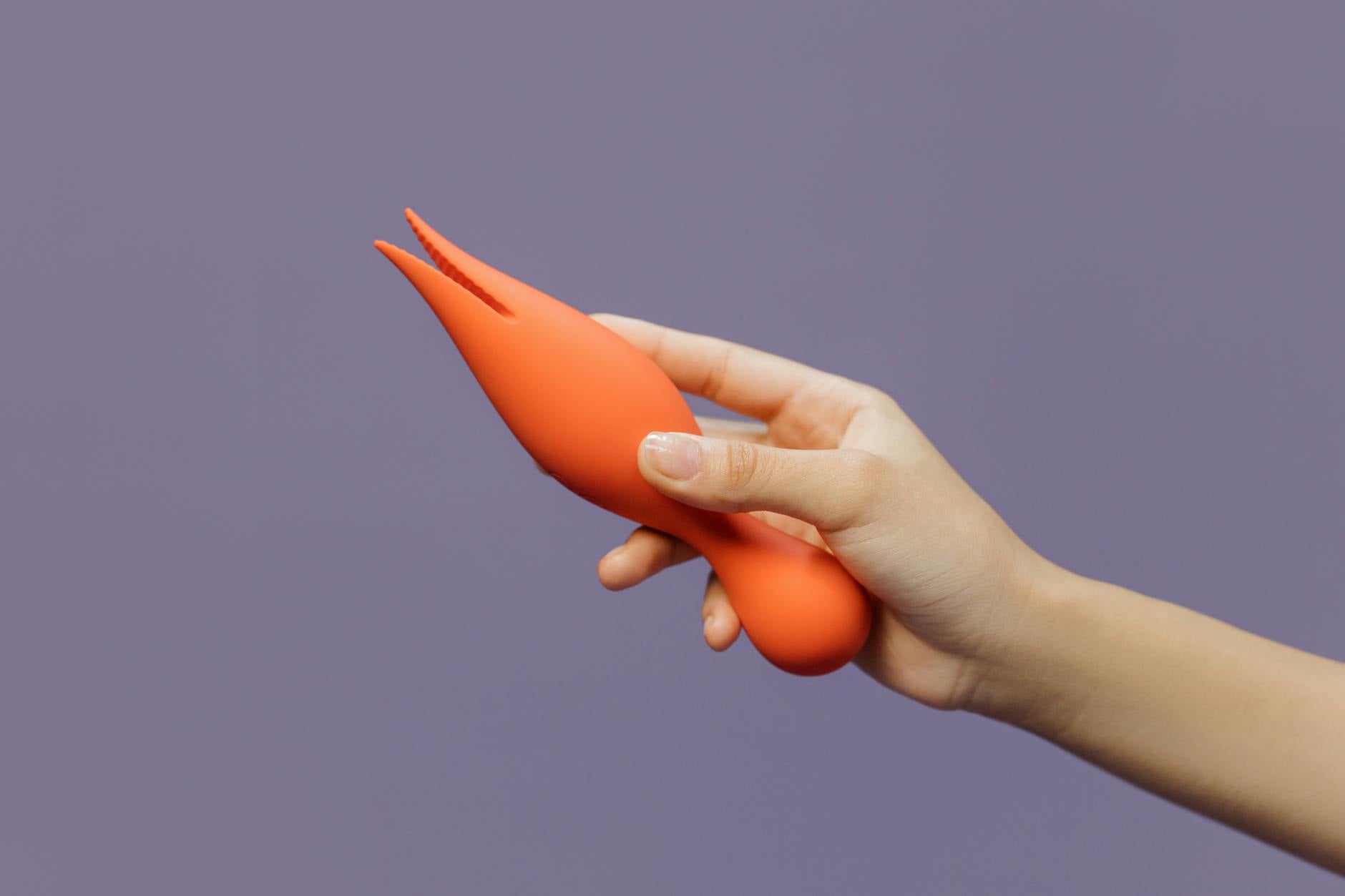
How to Use Lemon Vibrators for Better Pleasure With a New Partner
Let's be real. Bringing up toys with someone new feels loaded. You worry they'll feel replaced, inadequate, or like you're asking for something weird. The truth is simpler: most new partners are just relieved you know what you want.
Introducing a lemon vibrator to a new relationship is less about the toy and more about the conversation. When you get that part right, everything else flows.
Why the timing matters more than you think
There's a window. Not too early (before you've actually had sex), but not so late that it feels like a sudden production. I typically recommend waiting until you've been intimate a few times and have a baseline sense of how you both communicate about sex. That usually means 3-5 encounters, depending on the pace of your relationship.
Why? Because you need to know whether your new partner is someone who's curious, defensive, or somewhere in between. You learn this by having small, lower-stakes conversations first. Talk about what you like, what feels good, what doesn't. Ask them the same questions. If they shut down easy questions, introducing a toy later will feel like a bigger ask.
Timing also matters because the introduction itself shouldn't feel like a special performance. The best moment is casual, not choreographed. You're more likely to say something genuine over coffee than during a planned "we need to talk" moment.
The conversation script that actually works
Here's what I tell my clients to avoid: "I want to try something with you." That phrasing puts you in the position of asking permission and makes it sound like it's a special request instead of a normal part of sex.
Instead, try this opening: "I've been using a lemon vibrator on my own and it feels amazing. I'd like to use it with you." That's it. You're not asking a question. You're sharing something that's part of your pleasure.
Then pause. Let them respond. Most new partners will ask what it does, or they'll want to know if you want them to use it or if you want to use it yourself. Both are good signs. If they say "cool," that's a good sign. If they say nothing, you might need to add one more sentence: "I want us to explore what feels good together."
If they seem hesitant, the response is never to convince them. It's to ask why. "Are you uncomfortable with it?" or "Does it feel weird?" or "What's going through your head?" Then listen. Sometimes the hesitation is about ego ("does that mean I'm not enough?"), and sometimes it's about not knowing what to expect. Those need different conversations.
For the ego piece: "It's not about you not being enough. Orgasms with a vibrator feel different. This is about my body, not a comparison to you." That usually helps. For the unknown piece: "It's just a lemon clitoral vibrator. It stimulates the clitoris with suction. You can watch, help, or we can figure it out together." Information is calming.
The actual first time using it together
Don't make it weird by making it perfect. The first time you use a lemon vibrator with a new partner shouldn't be a production number. It should be part of foreplay, not the main event.
Start with your clothes on. Yes, really. Take it out during a make-out session and show them how it works. Use it on your wrist or your palm first so they can feel the sensation without the stakes. This removes about 70% of the mystery and almost all the awkwardness.
Then move into the bedroom and use it exactly as you would alone. Let them watch, or let them help guide it. Some partners love being included; others love watching. Both are fine. The lemon clitoral vibrator is small enough that it doesn't take up space or create weird logistics, so there's no reason to overthink the positioning.
If you want to use it and have them inside you at the same time, that's also totally normal and creates a different kind of stimulation. Talk about it first. "Would you want to be inside me while I use this?" It's direct, but it's not awkward. It's just logistics.
What to do if they want to use it on you
This is where you need to be really clear about what you want, because some new partners will feel like using the toy is something they're supposed to do instead of touching you themselves. They're not, unless that's what you want.
You can use the lemon vibrator solo while they're touching you elsewhere. You can hand it to them and guide their hand. You can tell them the exact pattern or pressure that works. Or you can tell them to just watch and learn what you respond to.
All of those are good options. The one that doesn't work is silence. If you let them figure it out without guidance, they might use it too hard, miss the spots you actually like, or feel like they're "doing it wrong." That breeds awkwardness.
Instead: "I like it when you start slow" or "A little higher" or "That pressure is perfect." These micro-corrections are not criticisms. They're collaboration. Good partners appreciate them because it means they're actually getting you off instead of guessing.
Building ease over time
The first time using a lemon vibrator with a new partner can feel like a high-stakes thing. It's not. It's just sex with a tool that feels better.
What matters is what happens over the next few weeks. Do they get more comfortable? Do they ask questions? Do they bring up using it unprompted? That's when you know it's landed well.
Some partners want to use it every time. Some want to use it occasionally. Some want to watch while you use it solo. None of these patterns are weird or wrong. The key is checking in every few months: "Is this still working for you? Do you want to try anything different?" Because pleasure changes as a relationship deepens.
Also, don't assume that because your new partner is cool with the lemon vibrator that they're cool with everything. Having a tool doesn't mean you're ready for group sex or anything else. It just means you've built a small bridge of trust around your pleasure. Build from there.
When to back off
If your new partner consistently seems uncomfortable, don't push. You can want different things in bed, and that's information too. Sometimes the toy is a dealbreaker for someone, and sometimes it just needs time.
If after a few conversations they still aren't coming around, you have a choice: use it solo and keep that part of your pleasure private, or acknowledge that this might be a compatibility issue worth paying attention to. Both are okay choices, depending on how important clitoral vibrators are to your sexual satisfaction.
But most of the time, the resistance melts pretty quickly once someone realizes you're not asking them to be replaced. You're asking them to be present while you feel good. That's actually most people's definition of good sex.
FAQ
Is it weird to bring up a lemon vibrator on a first date?
Yes. Save it for after you've actually had sex. That first intimate encounter gives you information about how this person talks about pleasure, whether they're curious, and whether they're someone you want to explore with.
What if my new partner thinks I want them to use the vibrator instead of touching me?
That's a communication gap, not a dealbreaker. Tell them directly: "I like both. I like when you use your hands and I like when you use this. We can do whatever feels good to both of us." Some partners actually love this because it takes pressure off them to be the only source of stimulation.
Can we use a lemon clitoral vibrator during sex?
Absolutely. You can use it solo while they're inside you, or they can hold it if that feels natural. Suction-based vibrators like the lemon design don't interfere with penetration the way some vibrators do, so the positioning is actually pretty flexible. Just talk about it first.
What if they want to use the vibrator every single time?
That's fine, but you get a vote. You can say, "I love when we use this, and I also want some nights where it's just us." That's not rejection. That's maintaining variety, which actually keeps sex interesting over time.
How do I know if my new partner is into it?
They'll ask questions, or they'll bring it up themselves next time. They'll want to know where you got it, how it works, whether you have other toys. Curiosity is always a good sign. Silence or short answers usually mean they're not into it but don't want to hurt your feelings. You can ask directly: "Is this something you want to keep exploring?"
Should I tell them about my lemon vibrator before we sleep together?
No. Let sex happen naturally first. Then, in a moment when you're comfortable and talking about pleasure, bring it up. The worst time is the moment before sex when someone's already in their head about performance. The best time is during a casual conversation, or the next morning over coffee.
The real thing
Introducing a lemon vibrator to a new partner isn't about the toy. It's about signaling that you know your body, you're not embarrassed about pleasure, and you want them to be part of exploring it. Most people find that attractive.
When you approach it with confidence and clarity, your partner usually follows. And if they don't? You've learned something important about whether you're compatible. Either way, you've done something good for yourself and your pleasure.
You deserve to feel good. Asking for that isn't selfish or weird. It's just honest.
If you'd like to explore <a href="/blog/how-to-use-lemon-vibrators-with-partners-who-arent-sure-about-toys">how to navigate conversations with partners who are hesitant about toys</a>, we've covered that separately. You might also find it helpful to read about <a href="/blog/how-to-use-lemon-vibrators-when-you-have-responsive-desire-instead-of-spontaneous">responsive desire patterns</a>, since new relationships often shift how and when you want to be intimate.
For more on building pleasure with a partner, visit our <a href="/contact">contact page</a> if you want to chat one-on-one about your specific situation.