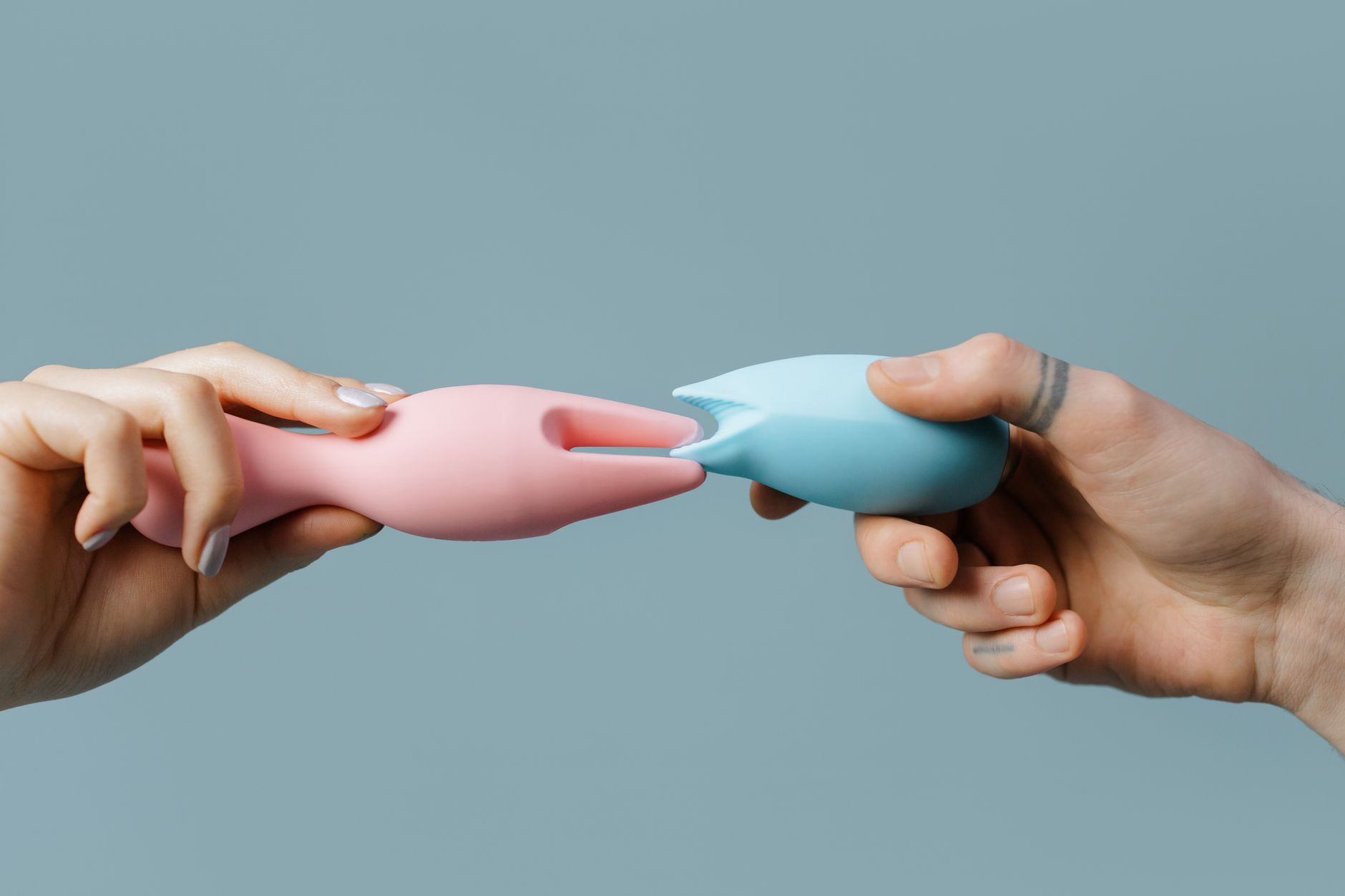
Let's start here: no vibrator is universal
I've worked with hundreds of clients navigating pleasure, and one thing keeps coming up. Someone buys a toy because it's popular or has great reviews, then feels disappointed because it doesn't work for their body. That's not a reflection on the toy or on you. It's just mismatched engineering.
A lemon clitoral vibrator like the Lem uses air-suction technology, not traditional vibration. That changes everything about how you need to think about choosing one. Suction doesn't work the same way for every body, and knowing your sensitivity level plus your anatomical baseline is the difference between an okay experience and a game-changing one.
How bodies vary, and why it matters
Three things shift how a lemon vibrator will feel on your body:
Clitoral hood size and tissue thickness. Some people have a fuller hood that needs a gentle approach to direct stimulation. Others have thinner, more exposed tissue. Neither is standard or abnormal; they're just different architectural blueprints. A device that works beautifully on one person can feel overwhelming or underwhelming on another for this reason alone.
Sensitivity baseline. This is separate from arousal. Some people are born with nerves that fire more readily. Others are more muted by default. Hormonal birth control, medications, aging, and past trauma all shift this baseline. If you're on medication that numbs sensation, a toy designed for average sensitivity might feel like nothing.
Tissue elasticity and moisture. As we age, as hormones shift (whether from birth control, perimenopause, or other factors), tissue changes. Younger tissues tend to be plumper and more responsive. Postmenopausal tissue is thinner and drier, which means direct friction can feel too intense, but air suction often feels perfect. If you're returning to sex after a long break, your body might need a gentler approach than you'd expect.
Understanding air suction vs. traditional vibration
Most lemon adult toys use air-pulse suction technology. Here's what that means: instead of a motor vibrating up and down, the device creates a gentle suction around the clitoris, then releases. It's rhythmic, not linear. It doesn't require the same kind of direct mechanical pressure that traditional vibrators do.
Why does this matter for body type? Simple. If your clitoral anatomy is more retracted or sensitive, suction lets you adjust the seal and intensity without the toy physically touching tissue in a way that feels raw. If you have a lot of clitoral tissue, suction can stimulate nerves across a wider area without needing to be pressed directly against you.
Traditional vibrators work best for people who like direct, consistent pressure. Lemon suction toys work best for people who want more control over intensity and appreciate a pulsing, massaging sensation instead of a buzz.
If you have high sensitivity
High sensitivity means arousal builds quickly, stimulation feels intense fast, and too much pressure turns pleasurable into uncomfortable. If this is you, here's what to know.
Start with the lowest intensity setting and work up slowly. The Lem, for example, has multiple intensity levels. Resist the urge to jump to the middle or high settings right away. Even if you think you're being cautious, you might be underestimating how much sensation you'll experience. Many highly sensitive people find that patterns (the pulsing rhythms) feel better than constant intensity.
Watch your arousal level going in. Sensitivity feels different depending on whether you're already turned on. Go in already warmed up, and the same setting that felt overwhelming last time might feel just right. Patience here is not wasted time; it's data collection.
Consider the hood position. If you're sensitive, direct clitoral contact is often too much. The beauty of air suction is you can angle the toy slightly to catch the clitoral area without a perfect seal. You get stimulation without overstimulation.
If you have low or delayed sensitivity
Low sensitivity means arousal takes longer, you need more or different stimulation to feel much of anything, or numbness from medication, age, or past trauma has made sensation muted. This is wildly common and completely workable.
For low sensitivity, intensity matters more. You might not feel the lowest settings at all. Go straight to medium or high. If you're on medication that numbs sensation, your baseline is shifted, and what feels normal to someone else will feel like nothing to you. That's not a bug; it's just the physiological reality. A high-intensity lemon vibrator designed for clitoral pleasure works well here because the suction is concentrated and strong.
Time and pattern matter as much as intensity. Low sensitivity often means you need longer warm-up. Budget 15 to 30 minutes instead of 5. Use patterns that change rhythm every few seconds rather than constant intensity. Your nervous system responds better to variety.
Lubrication helps. It sounds counterintuitive, but low sensitivity often pairs with less natural lubrication. Adding a water-based lube improves the seal on a suction device and can make the sensation more pronounced. It's not cheating; it's physics.
If you've experienced hormonal shifts
Birth control changes sensitivity. Stopping it also changes sensitivity, sometimes dramatically. Hormonal changes after stopping birth control can make you feel hypersensitive for weeks, then normalize, then shift again.
If you're in a hormonal transition, test at a low intensity first and assume your baseline might shift week to week. Keep a note of what works. You'll start to see patterns. Day 7 of your cycle might feel different than day 21. Starting a new medication might numb sensation temporarily. This isn't permanent; it's just your body recalibrating.
For people in perimenopause or beyond, tissue changes are real. Thinner tissue and lower natural lubrication mean direct vibration can feel raw. Air suction is gentler on delicate tissue while still delivering strong sensation. This is why lemon clitoral vibrators often work better for menopausal bodies than traditional wand vibrators.
If you're unsure of your baseline
Honestly, most people are. We don't typically spend time cataloging our sensitivity. Here's how to figure it out.
Start solo. Pressure and performance anxiety kill sensitivity data. Alone, you can explore without worrying about what anyone else thinks or needs. Begin with manual stimulation. Use your fingers to touch your clitoris at different pressures. Does it feel better with light contact or firm pressure. Does it feel better with circles or up and down motions. What happens if you touch the clitoral hood instead of the clitoris directly.
Then introduce a toy at the lowest setting. Spend a full session (at least 20 minutes) at that intensity. Notice how your body responds over time. Does sensation build, or does it stay flat. Do you want more intensity, or is it already overwhelming.
Keep a quick note. "Low setting felt subtle but good after 10 minutes." "Medium felt intense immediately." "High was too much." You don't need a journal; a few words in your phone notes is enough. Over 2 to 3 weeks, a pattern emerges.
Anatomy check: what to pay attention to
Your clitoral anatomy is unique. Some variables matter for toy choice.
Clitoral prominence. Does your clitoris sit forward and visible, or is it mostly covered by the hood. Forward-sitting anatomy might benefit from toys with a wider opening. More covered anatomy often does better with a narrower, more focused seal.
Clitoral size. Clitorises vary from pea-sized to much larger. Larger anatomy might benefit from toys that can accommodate different positions without losing sensation. Air suction toys are good for this because you can adjust the seal.
Vestibule shape. The area around your clitoris varies. Some people have fuller labia that cushion the area. Others have a flatter topology. This affects how much direct pressure feels good and how much you need lubrication to create a good seal with suction toys.
None of these variations are abnormal. They just change what intensity and technique work best for you. The Lem, like most quality lemon vibrators, was engineered with anatomy variation in mind. The seal and suction adapt to different shapes.
Age and tissue changes
Tissue changes across the lifespan. A vibrator you loved at 28 might feel different at 38, 48, or 58.
In your teens and twenties, tissue is typically full, elastic, and responsive. High sensitivity is common. You might prefer lower intensities because sensation comes easily.
In your thirties and forties, sensitivity usually stays consistent, but lubrication might decrease and tissue begins subtle changes. You might need slightly higher intensity or longer warm-up.
In your forties and fifties, as estrogen shifts, tissue thinning becomes more noticeable. Sensitivity changes with hormonal shifts are normal. Direct vibration can feel abrasive. Air suction becomes more comfortable because it doesn't require the same friction. Lubrication becomes essential, not optional.
After sixty, tissue changes continue, but many people find their best pleasure yet because they're less worried about performance and more focused on sensation. The right toy in the right intensity range can deliver intense, satisfying orgasms.
The point: your sensitivity baseline isn't fixed. It's a moving target. The toy that works for you now might need adjustment in a few years, and that's totally normal.
Medication and sensitivity
Certain medications numb sensation. SSRIs (common antidepressants), some blood pressure medications, and antihistamines can all reduce clitoral sensitivity. You're not broken; your nervous system is just quieter right now.
If you're on medication that affects sensation, higher intensity becomes your friend. You might also benefit from longer warm-up time and patterns that engage different types of nerve stimulation, not just one constant intensity. Many people on these medications find that the pulsing patterns on a lemon clitoral vibrator work better than traditional constant vibration.
Talk to your prescriber if sensation loss is affecting your quality of life. Sometimes switching medications helps. Sometimes dosage adjustment helps. And sometimes the right vibrator at the right intensity compensates beautifully while you're on a medication that works for the rest of your health.
The practical matching system
Here's how to actually choose.
Step 1: Assess your sensitivity. Use the solo exploration method above. Rate yourself 1 to 5 (1 = very low, 5 = very high).
Step 2: Note tissue factors. Do you have plenty of natural lubrication or does it require adding lube. Is your clitoris more covered or more exposed. Do you prefer direct pressure or more diffuse sensation.
Step 3: Consider life stage. Are you on birth control, coming off it, perimenopausal, postmenopausal, or on medications that affect sensation.
Step 4: Pick intensity range. Low sensitivity (1-2): aim for medium to high intensity. Average sensitivity (3): medium works. High sensitivity (4-5): start low. If you have tissue changes from age or hormones, intensity might be higher than you expect because tissue is less responsive, but comfort might be lower because tissue is more fragile.
Step 5: Start low, work up. Even if you think you need high intensity, start at the lowest setting. You can always turn it up. You can't undo overstimulation mid-session.
FAQ: choosing the right lemon vibrator for you
Q: Will a lemon vibrator work if I'm on antidepressants that numb sensation?
Yes, but you'll likely need higher intensity than someone not on medication. The Lem and other lemon suction vibrators have multiple intensity levels specifically for this reason. Start at medium and work up. Many people on SSRIs find that pulsing patterns work better than constant intensity because patterns engage different nerve pathways.
Q: I've never used a vibrator before. Should I start with low intensity?
Not necessarily. Start with whatever feels good. If low feels like nothing, turn it up. The only mistake here is assuming you should feel something at an intensity that doesn't work for your body. Experiment solo first, no pressure, and find your baseline.
Q: Does clitoral size change how a suction vibrator feels?
Yes. Larger clitoral anatomy might benefit from toys that can angle or adjust slightly. Smaller anatomy might prefer a more focused seal. The good news is air suction technology adapts to different anatomies better than traditional vibrators because you control the seal positioning.
Q: I'm postmenopausal. Will a lemon vibrator still work?
Often better than before. Tissue changes mean direct, constant vibration can feel raw. Air suction gives you pulsing sensation without aggressive friction. Add water-based lubricant, and you'll likely have intense, satisfying orgasms. Tissue being thinner doesn't mean less sensation; it means more targeted sensation.
Q: Can sensitivity change month to month?
Completely. If you menstruate, day 7 of your cycle might feel wildly different than day 21. Stress, sleep, relationship status, and arousal level all shift sensitivity. If your go-to intensity suddenly feels wrong, it's probably just your body in a different state, not the toy.
Q: What if the intensity I like one session feels wrong the next time?
Happens to everyone. Variables shift sensitivity: stress, sleep, what you ate, whether you're already turned on going in, time of cycle, how much you've been having sex, even weather and temperature. This isn't a problem. It's why multiple intensity levels matter. Adjust as you go.
The real story
Choosing a lemon adult toy isn't about finding the "best" one. It's about finding the one that matches your body, your sensitivity, and your life right now. And your answer to that question will probably shift in a few months or years.
Start with honesty about your baseline. Experiment solo. Keep notes on what intensity feels good. Don't assume you need more intensity just because someone else does. And remember that the best toy is the one that actually gets used, which means it needs to feel good enough to reach for.
If you have questions about which intensity level, anatomical fit, or life circumstance applies to you, reach out to our team. We help people match their body to the right device all the time.