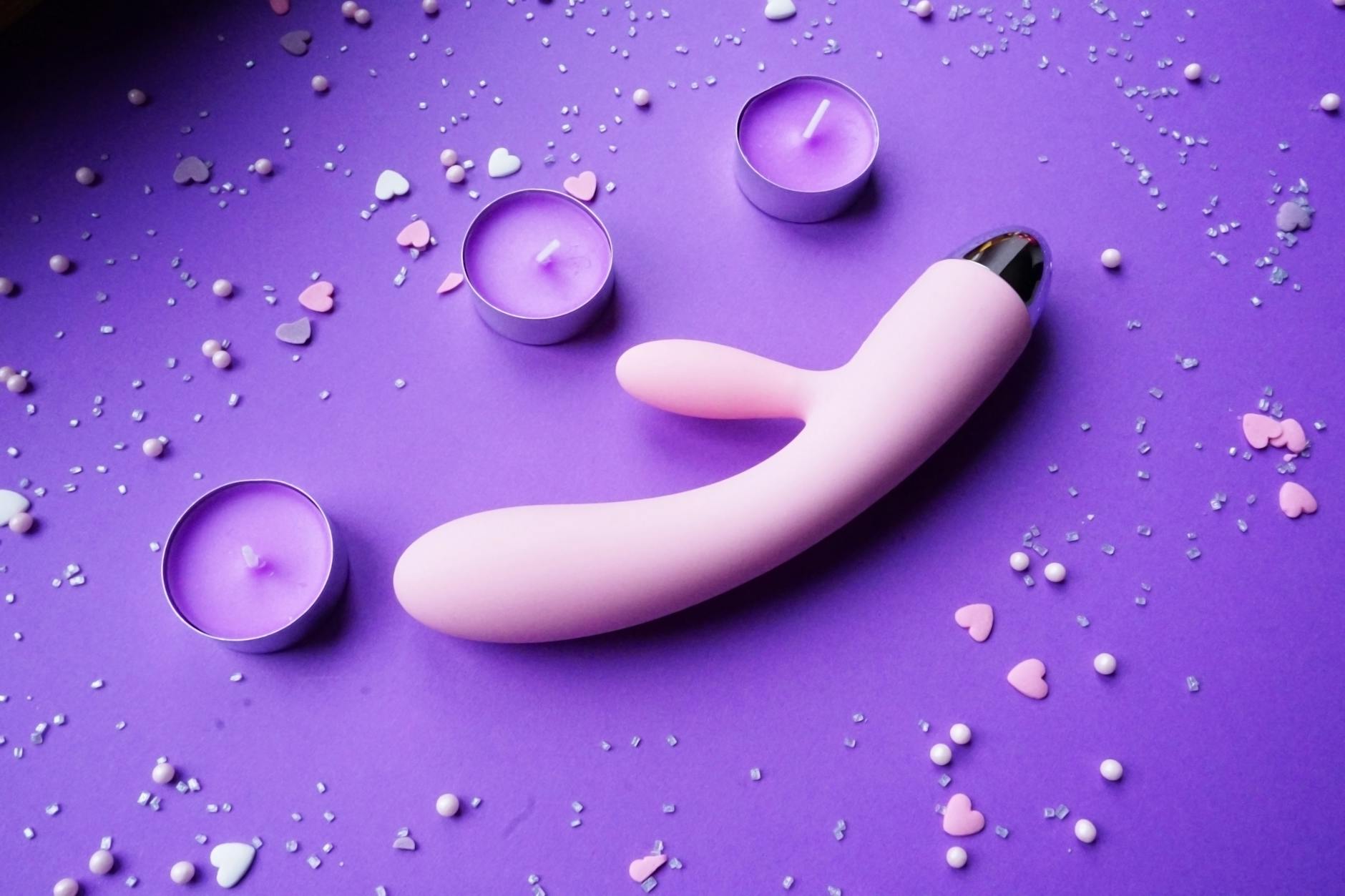
How Lemon Vibrators Work After Long-Term Partner Breakups
Breaking up after years together changes how your body responds to touch. Here's the thing nobody tells you: that's not broken. That's just different. And different can actually be the doorway to discovering pleasure you never had before.
When you've been intimate with the same person for years, your nervous system learns their rhythm, their pressure, the exact pattern of their touch. Your body doesn't just respond to physical stimulation. It responds to familiarity. Then suddenly, that's gone. And solo touch feels weird, foreign, sometimes almost painful because it's not what your nervous system trained itself to expect.
That's why a lemon vibrator matters right now. Not because it replaces what you lost, but because it's designed to help your body relearn what your pleasure looks like when you're the only one directing it.
The nervous system reset after a long-term breakup
Your body isn't refusing pleasure. It's grieving.
After years of couple intimacy, your nervous system built neural pathways around synchronized touch. You and your partner developed a rhythm together. That rhythm became part of your sexual identity. When the relationship ends, that pathway doesn't just disconnect cleanly. It sits there, half-activated, waiting for input that never comes.
Meanwhile, solo touch can feel clumsy. Insufficient. Even uncomfortable, because it lacks the context and emotional charge your body learned to associate with sex. This is completely normal. It's not a sign that you're broken or that you've lost your sexuality.
What happens next is that your nervous system needs new information. It needs to learn a different rhythm. A different pressure pattern. A different kind of arousal cycle. This is where lemon vibrators come in. They're consistent, controllable, and they give your body permission to rewire itself without judgment.
Why consistency matters more than intensity
During a long-term relationship, pleasure often builds through conversation, emotional connection, and gradual escalation. You knew what was coming. Your body anticipated. That anticipation is a huge part of arousal.
When you're rebuilding solo, you need to rebuild anticipation differently. You can't anticipate someone else's touch because there's no one else. So you learn to anticipate your own choices. You pick the pattern, the speed, the intensity. You decide when to stop, when to speed up, when to hold steady.
Lemon clitoral vibrators like the Lem are specifically designed for this. They use gentle suction and pulsing patterns that let you stay in control without the pressure to perform or respond to someone else's rhythm. The consistency means your nervous system can actually predict what's coming. That predictability is how your body learns to trust touch again.
Many people report that after a breakup, their first solo orgasm with a lemon vibrator comes because of this consistency. It's not about the toy being "better." It's about your body finally feeling safe enough to let go.
Rebuilding your personal arousal map
Here's something most people don't realize about long-term relationships: your partner's preferences shaped your sexuality more than you probably know.
Maybe they liked you to build slowly, so you learned to do that. Maybe they had a particular way of touching you that worked, so you stopped exploring alternatives. Maybe they had their own hangups that you absorbed without naming them. After the breakup, you get to rewrite all of that.
This is actually the gift hidden inside the grief.
When you're using a lemon vibrator solo, you're not trying to recreate couple sex. You're discovering what you actually want when no one else is involved. Do you want to climax fast or slowly? Do you want constant stimulation or waves of intensity? Do you want to use it while lying down, standing, or propped up differently? Do you want multiple orgasms or just one? What patterns make your body sing?
Lemon vibrators give you the space to ask these questions without pressure. Start at the lowest setting. Notice what your body does. Don't judge it. Your nervous system is learning a new map, and every session teaches it something.
The emotional layer nobody talks about
Physically, rebuilding pleasure after a breakup is manageable. Emotionally, it can feel loaded.
Using a toy solo after years of couple sex can bring up grief, loneliness, or even guilt. You might think "I shouldn't be enjoying this when I'm still sad about them" or "This feels weird without someone else." That's not a sign to stop. That's your nervous system processing the loss and the independence at the same time.
Here's what I tell my clients: pleasure isn't disrespectful to grief. You can miss someone and also discover that you enjoy solo orgasms more than you realized. You can feel lonely and also feel powerful. These don't cancel each other out.
Giving yourself permission to feel both emotions at once is actually the path through the breakup faster than white-knuckling through the pain.
Practical things that help the transition
Four concrete strategies I recommend when someone's rebuilding after a long-term breakup.
Start with a consistent routine. Pick a time, a place, somewhere private where you can spend 15 to 20 minutes without interruption. Your nervous system loves routine. Consistency signals safety.
Use the lowest vibration setting first. Don't jump to high intensity. Start where you barely feel it, and let your body build its own arousal response. This is how you rewire, not by forcing intensity.
Don't expect orgasm immediately. Sometimes it takes three, five, even ten sessions before your body remembers that pleasure is possible. That's not failure. That's healing.
Pair it with things that feel good. Maybe that's a favorite song, a candle, a specific time of day when you feel most like yourself. Build pleasure in layers, not just physically.
When emotional barriers show up
Sometimes rebuilding solo pleasure after a breakup hits an unexpected wall. You might feel numb even when you're aroused. You might feel guilty. You might freeze up.
This is worth naming because it means something, and it's not "your fault." It means your nervous system is protecting you. Maybe the breakup was recent. Maybe there's still anger or hurt sitting underneath. Maybe you're struggling with the identity shift from "coupled" to "single." All of that is real.
If the numbness or freezing persists, that's actually when solo touch with a lemon vibrator can be especially valuable. Not as a "fix," but as a place to practice feeling your body when there's no external pressure. Your body will unfreeze gradually. Therapy alongside that practice is golden.
Meanwhile, the tool is there. The lemon clitoral vibrator does one thing brilliantly: it shows your body that pleasure doesn't require another person. That your pleasure has always been yours to discover. The breakup didn't take that away.
Moving forward without leaving yourself behind
Rebuildng solo pleasure after a long-term breakup is part of the larger work of reclaiming your wholeness.
You're not starting from zero. You're starting from experience. You know what you like, what you don't, what hurt, what felt good. All of that knowledge is still yours. The lemon vibrator is just a tool that helps you access it on your own terms, without the complication of another person's presence.
In my clinical experience, people who actively rebuild their solo pleasure after a breakup recover faster and make healthier choices in future relationships. They know themselves better. They don't confuse "missing someone" with "needing a partner." They've experienced their own capacity for pleasure, which changes everything about how they move forward.
So give yourself time. Give yourself permission. Use the tool. Notice what your body tells you. Your pleasure matters, whether you're sharing it with someone or discovering it alone.
People also ask
How long does it take for your body to feel normal after a breakup when it comes to solo touch?
There's no universal timeline, but most people notice a shift within two to four weeks of consistent solo practice. Your nervous system needs repetition to rewire. Some people find that the first session feels awkward and the twentieth feels natural. Others experience progress in waves. The key is consistency over intensity. If you're using a lemon vibrator a few times a week, your body will start to recognize the pattern as safe and expected. Grief doesn't disappear on a timeline, but your capacity for pleasure returns faster when you're actively practicing it.
Can you feel numb during solo touch after a breakup even when you're physically aroused?
Yes, this is incredibly common and it's not a sign that something's wrong with you. Emotional numbness can exist alongside physical arousal because they're mediated by different systems in your brain. You might notice physical responses like increased heart rate, wetness, or muscle tension while feeling emotionally flat. This often means your nervous system is protecting you from feeling the full weight of the loss. Keep practicing. The emotional sensation usually catches up with the physical arousal over time. Patience here is crucial.
Is it normal to feel guilty using a vibrator solo right after a breakup?
Completely normal. Guilt often shows up because part of you still feels attached to the relationship or because solo pleasure feels "disloyal." That's your nervous system still oriented toward the partnership even though it's over. The guilt doesn't mean you're doing something wrong. It means you're grieving. Keep going anyway. Your pleasure belongs to you, not to the relationship that ended. Using a lemon vibrator is actually an act of self-care, not betrayal.
Does using a lemon vibrator solo after a breakup affect how you'll respond with a future partner?
The research suggests the opposite of what people fear. People who rebuild strong solo pleasure after a breakup tend to be more present and responsive with future partners because they know their own pleasure baseline. They're not looking to a new partner to "fix" their sexuality or validate their attractiveness. They already know they're capable of pleasure. This actually improves couple sex because there's less desperation and more genuine connection. Your solo practice makes you a better lover, not a more distant one.
What if you can't reach orgasm solo after a breakup even with a lemon vibrator?
First, know that not reaching orgasm isn't failure. But if you want to explore why, the most common reasons are: your nervous system needs more time, you're still carrying a lot of emotional pain, you're approaching it with performance pressure, or you need a different vibration pattern. With a tool like the Lem, you can experiment with different settings and rhythms. You can also check in with yourself: are you aroused but numb, or are you struggling to feel arousal at all? That distinction tells you whether this is about reconnecting to sensation or whether something deeper like depression is at play. If it persists beyond a month, talking to a therapist alongside using the vibrator can help move things forward.
Can rebuilding solo pleasure help you heal faster from a breakup?
In my clinical practice, I've consistently observed that people who actively practice solo pleasure during and after a breakup move through the grief more completely. It's not that orgasms are a "cure" for heartbreak. It's that reconnecting to your own pleasure reminds your nervous system that you contain wholeness independent of another person. That awareness is deeply healing. Plus, when you're practicing self-pleasure regularly, your brain is flooded with dopamine and oxytocin, which are the same neurotransmitters affected by grief and loss. You're not escaping the grief, you're giving your nervous system the resources to metabolize it. That makes a real difference.
Rebuild your pleasure on your own timeline. Use tools like lemon vibrators not because you're broken, but because you deserve to know yourself fully. The breakup opened a door to discovering your own capacity for pleasure independent of another person. Walk through it.