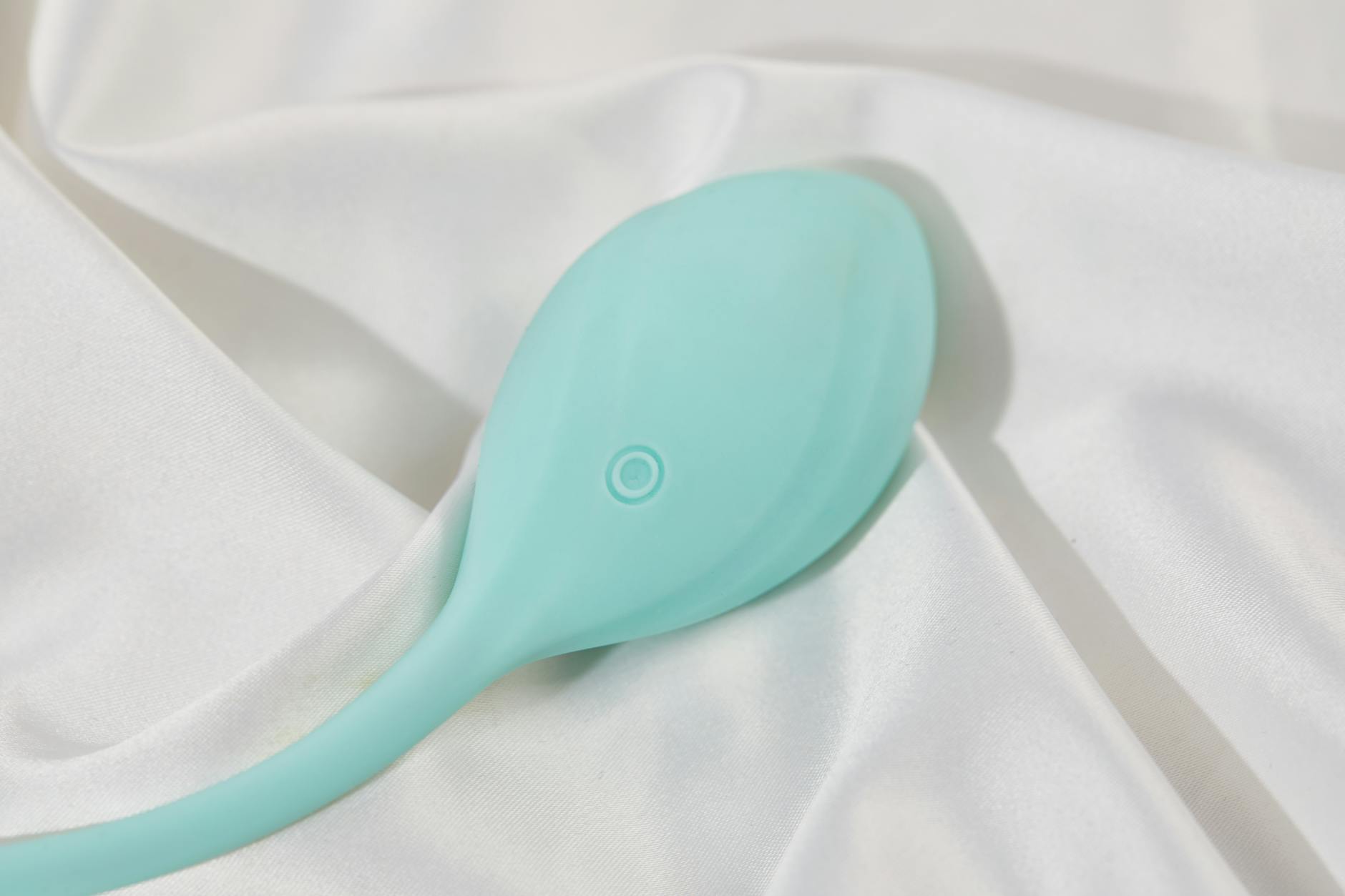
Let's talk about the real problem
Years into a relationship, a lot of couples stop having sex not because they stopped caring about each other. They stopped because somewhere along the way, sex became a performance. One person was waiting for the other to initiate. The other person was waiting to feel wanted. Both were holding their breath, waiting for arousal to happen the way it "should," and when it didn't, they both took it personally.
Then they stopped trying. Not forever. Just long enough that the silence became normal.
Lemon vibrators break that silence differently than you'd think. They're not about me being better at sex. They're about both of you being in the room together again.
Why couples actually avoid sex together
Here's what I see in my practice: couples don't drift because desire disappeared. They drift because the conversation around desire got too heavy. Every touch carried weight. Was this leading somewhere? Am I supposed to be getting aroused right now? Why isn't this working like it used to?
One partner often carries the pressure of being "the one who has to want it." The other partner feels guilty for not wanting it enough. Both feel like they're failing at something that's supposed to feel natural.
A lemon clitoral vibrator interrupts that dynamic in a specific way. It gives you both something to pay attention to that isn't the weight of expectation. It's a tool, yes. But more importantly, it's a reset button.
How introducing a vibrator actually changes the dynamic
When you bring something new into the bedroom together, you're both stepping into unfamiliar territory. That equality matters. You're not performing an old script. You're learning something new as a team.
With lemon vibrators specifically, the process is even gentler. Air-suction technology creates a different sensation than traditional vibration. It's less intense on the surface, which means less performance anxiety about immediate arousal. You get more time to warm up, more permission to go slowly, and more space for your partner to pay attention to you without the pressure of being "responsible" for your pleasure.
Many couples tell me that the first time they used a lemon sucker together, the sex felt different not because of the vibrator itself, but because they laughed. They fumbled. They had to communicate about intensity and timing. That communication is what actually rebuilds intimacy.
The consent conversation that changes everything
If you're thinking about bringing this into your relationship, start before the bedroom. Not days before. Just a conversation that happens somewhere normal. "I've been thinking about ways we could reconnect. What would feel good to you?" Listen for what they actually say, not what you think they should say.
Then be specific. "I found this tool that a lot of couples like. Would you want to try it together?" Not "try it on me." Together. That distinction changes whether your partner feels like they're helping you fix yourself or whether you're both exploring something.
When you're actually in the moment, start slow. Air-suction lemon vibrators work best on the lowest settings when you're first learning the rhythm. Spend a few minutes at each intensity level. Let arousal build. If you're using it as a couple, one partner might guide it while the other focuses on other forms of touch. Or you might take turns. There's no "right way" here.
What changes when you reintroduce pleasure together
Three things happen pretty reliably when couples reconnect through this kind of intentional exploration:
First, you stop keeping score. The guilt lifts. You're not tracking who wants it more or whose needs aren't being met. You're focused on the actual experience happening right now.
Second, you rediscover specificity. A vibrator requires you to talk about what feels good. "A little higher?" "Slower?" "More pressure?" This sounds clinical, but it's actually the opposite. You're paying detailed attention to each other. That's intimacy.
Third, you get your playfulness back. Sex between long-term partners often loses its lightness. You're both trying so hard to make it work. A lemon clitoral vibrator gives you permission to be a little silly. To explore. To not have it be this huge thing that has to be perfect.
The practical setup that removes resistance
If you're actually going to do this, remove the barrier to getting started. Have the lemon vibrator in a nightstand. Have lube nearby (water-based, always). Charge it. Don't wait for "the right moment." The right moment is when you both have time without rushing. Maybe a weekend morning. Maybe an evening when the kids are asleep.
Start with a conversation about what you both want from being together sexually. This might feel awkward. Good. That awkwardness means you're actually saying things instead of guessing.
When you're ready, it helps to have a clear sense of what you're both looking for. Some couples want this to be about strengthening orgasm. Others want it to be about foreplay. Others want it to help one partner reach orgasm when they've been struggling. All of those are different conversations, and they shape how you use the tool.
Common worries, actually addressed
Most couples worry that introducing a vibrator means one person isn't "enough" anymore. That's the old script talking. The reality is that your body changes over time. Hormones shift. Energy shifts. Medications change how arousal works. A vibrator isn't a replacement for your partner. It's a way to work with what's actually happening in both your bodies right now.
Some couples worry about losing spontaneity. Honestly, if you're worried about spontaneity, you probably don't have much left to lose. And rebuilding intimacy isn't spontaneous at first. It's intentional. Spontaneity comes back later, once you remember how to be close.
Others worry it will take the "natural" feeling out of sex. Here's the thing: you're already using tools. You're using beds. You're using hands and mouths. A lemon vibrator is just another tool. It doesn't change the fact that you're choosing to be vulnerable with another person.
When to consider talking to someone else
If you've tried this and the disconnect is still there, that's worth exploring with someone trained in couples work. Sometimes the vibrator issue is actually a communication issue, a resentment issue, or a bigger life transition issue wearing a sexual disguise.
If one partner is consistently uninterested even when you're both trying, that's also worth talking through with a professional. Low desire in long-term relationships usually points to something else. Relationship stress. Burnout. Sometimes depression. A vibrator can help, but it's not the whole answer.
If you're using this to avoid talking about bigger problems, pause. The vibrator won't fix those. You will.
People Also Ask
How do you bring up using a lemon vibrator with your partner without making it awkward?
Start the conversation outside the bedroom, somewhere you're both relaxed. Keep it simple and direct: "I've been thinking about how we could reconnect physically. I found something I think might help us both feel more pleasure. Would you be open to trying it together?" The key is framing it as something you're doing together, not something you need. And honestly? Some awkwardness is normal. That's not a sign you're doing it wrong.
Can you use a lemon clitoral vibrator on vulva tissue that's sensitive from lack of arousal?
Yes, but start on the lowest setting. If you haven't had much sexual contact in a while, tissues can be less engorged and more sensitive to pressure. Air-suction vibrators like the lem are actually gentler than traditional vibrators for this reason. Start with pattern 1 or 2, and give yourself time to warm up. Lubrication helps a lot. Twenty minutes of foreplay before you introduce the vibrator makes a huge difference.
What if only one partner really wants to use it?
That's still workable. Some couples use it during solo time, and that can actually rebuild connection if you're open about it. Other couples have one partner use it with the other person still involved. The pressure lifts when you're both honest about what you actually want, rather than what you think you're supposed to want.
Does using lemon vibrators make it harder to orgasm without them later?
No. The research on this is pretty clear. Using a vibrator doesn't change your capacity for pleasure without one. In fact, couples who use vibrators together often report that sex without them also improves because they've rebuilt the communication and attention that was missing.
How often should couples use a lemon vibrator to see results in their intimacy?
There's no set number. Some couples use it once a month. Some use it several times a week. The point isn't frequency. The point is that you're together, you're paying attention, and you're building something again. If you're using it as a way to avoid talking to your partner, that's too much. If you're using it as part of actually being present together, that's probably the right amount.
What if my partner thinks wanting to try this means I'm not satisfied with them?
That's a chance to be really clear about what you actually mean. "I want to try this with you because I want us to feel good together. Not because you're not enough. Because I want us both to experience more pleasure." And if they're really struggling with this, that might be worth exploring with someone trained in couples dynamics. Sometimes that reaction points to deeper insecurity or past hurt that's worth addressing.
The actual shift that matters
I've worked with a lot of couples who've brought tools like lemon vibrators into their intimate lives. The vibrator itself isn't what changes things. It's the conversation. It's the willingness to admit that something shifted and that you both want to shift it back. It's the permission you're giving each other to need something different now than you did five years ago.
Your pleasure matters. Both of your pleasures matter. A lemon clitoral vibrator is one way to remember that together.